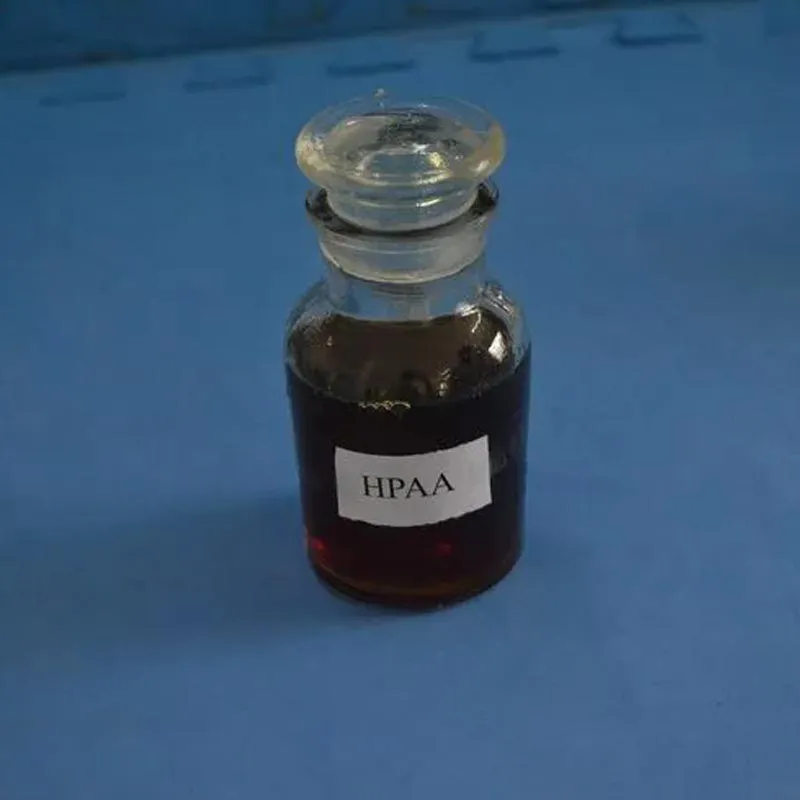
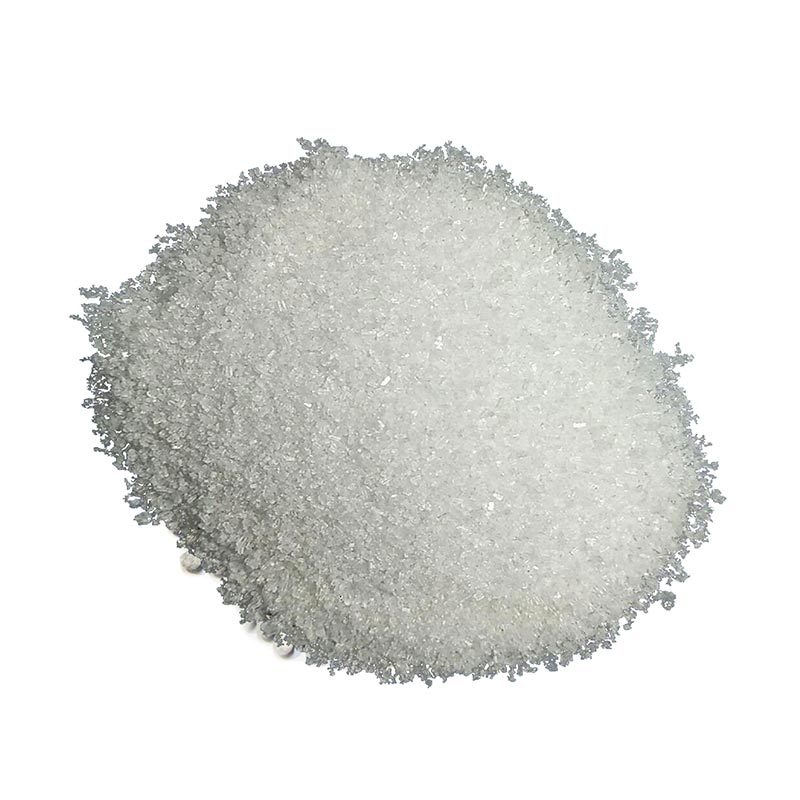
2-Hydroxyphosphonoacetic acid (HPAA), as an important organic phosphonic acid compound, has a wide range of applications. Its unique chemical properties make it have important application value in many fields. The following is the main application range of HPAA and its detailed description.
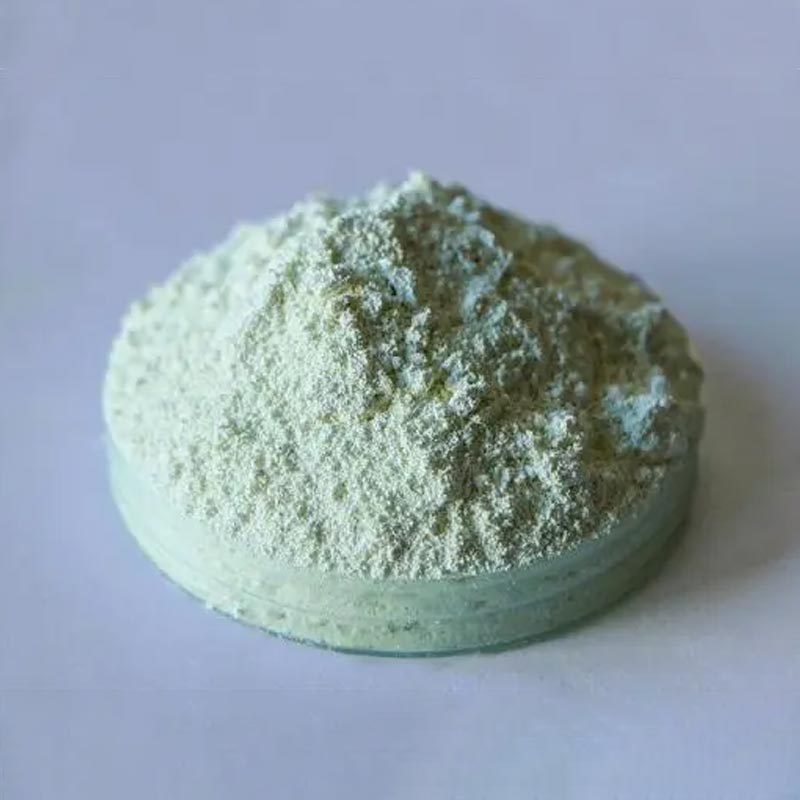
Polymer Ferric Sulphate (PFS) is widely recognized as a high-performance inorganic polymer coagulant used across municipal, industrial, and environmental water treatment systems. Known for its strong coagulation capacity, rapid floc formation, low sludge production, and broad pH adaptability, this material has become an essential component in modern purification workflows.
Ethyl Methyl Sulfide (EMS), also known as methyl ethyl sulfide, is an organic sulfide widely recognized for its characteristic sulfur odor, moderate volatility, and reliable solvency profile. As a versatile intermediate, EMS is used across petrochemical refining, chemical synthesis, polymer modification, lubricant formulation, and odorant systems.
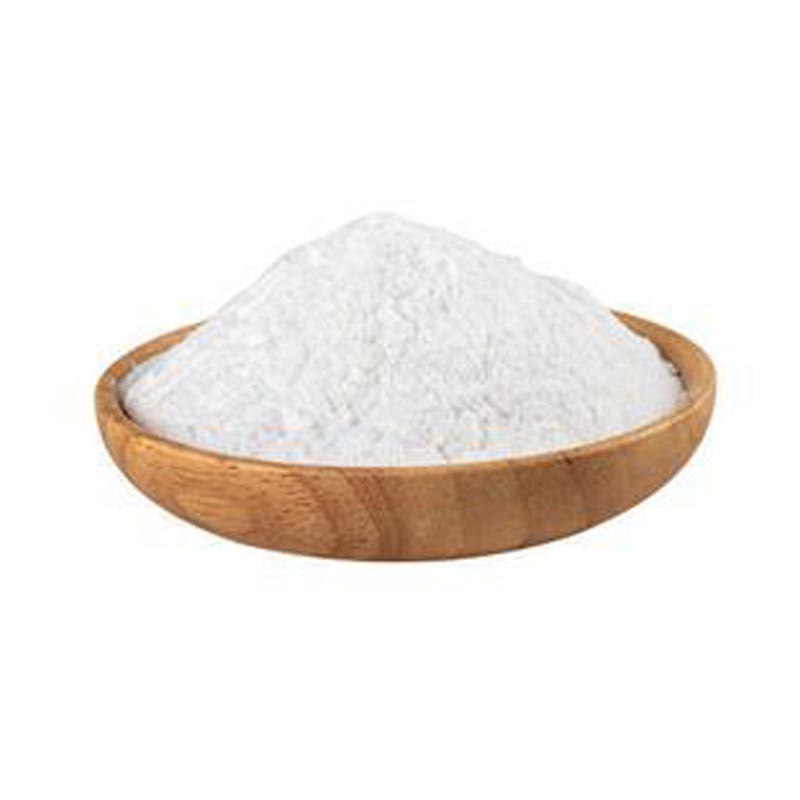
Calcium Phosphate Tribasic, often referenced as TCP or Tricalcium Phosphate, is a white, odorless, inorganic compound widely used across pharmaceuticals, food processing, agriculture, ceramics manufacturing, and biomaterials engineering. Known for its excellent bioavailability, stability, and compatibility with both organic and inorganic systems, it serves as a critical functional additive in multiple industries. As global demand for safe nutritional fortification and high-performance manufacturing materials increases, the role of Calcium Phosphate Tribasic becomes more prominent.
Organic chemicals are compounds primarily composed of carbon atoms, often combined with hydrogen, oxygen, nitrogen, sulfur, and other elements. These chemicals form the foundation of countless industrial applications, from pharmaceuticals and agriculture to polymers and specialty chemicals. Understanding their properties, functions, and future trends is essential for manufacturers, researchers, and industry stakeholders who aim to optimize efficiency, innovation, and sustainability.
Food Grade refers to materials and substances that are safe for contact with food and beverages throughout the production, packaging, and distribution processes. These materials are tested and approved according to international food safety standards to ensure that they do not release harmful substances or alter the taste, color, or nutritional value of food.
We use cookies to offer you a better browsing experience, analyze site traffic and personalize content. By using this site, you agree to our use of cookies.
Privacy Policy