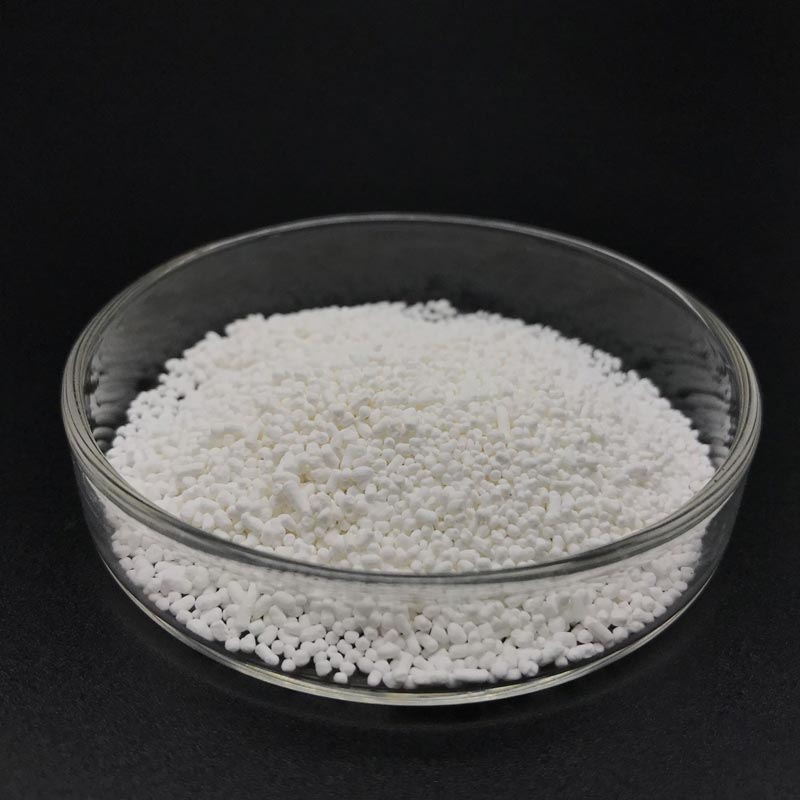
Abstract: Optical Brighteners(CXT) are fluorescent whitening agents designed to enhance the visual whiteness and brightness of suitable textile materials. TONGGE supplies Optical Brighteners(CXT) for textile applications, particularly knitted cotton and T/C blend fabrics. With a stated assay of at least 98.50%, an E-value of at least 370, and low ash content, CXT can be considered when manufacturers need consistent optical performance in textile finishing processes.
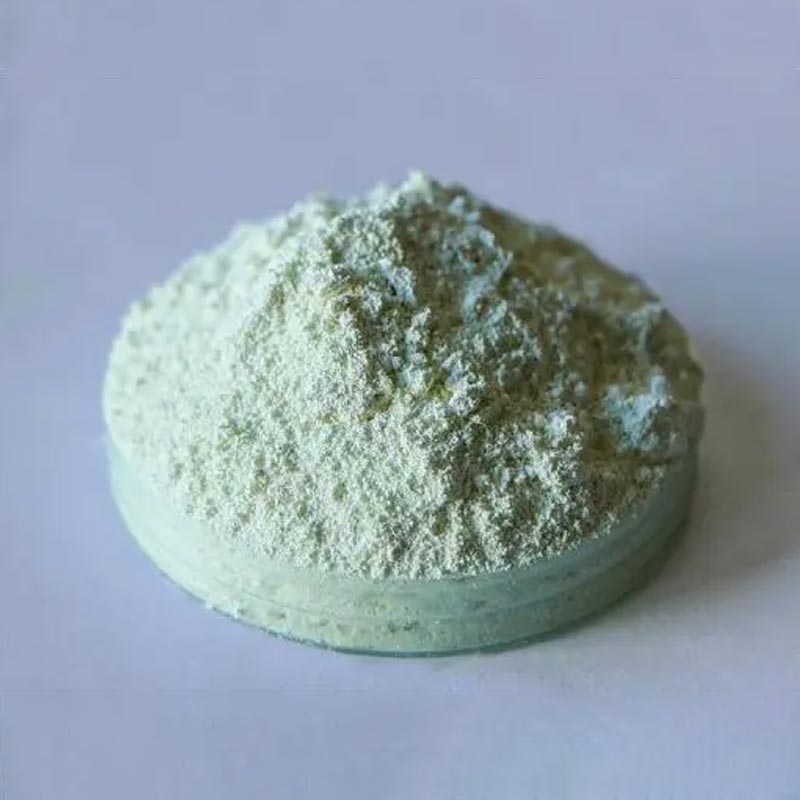
Table of Contents
- What Are Optical Brighteners(CXT)?
- How Do Optical Brighteners(CXT) Work?
- What Are the Key Specifications of Optical Brighteners(CXT)?
- Where Are Optical Brighteners(CXT) Used?
- What Are the Main Benefits for Textile Manufacturers?
- How Should Buyers Select Optical Brighteners(CXT)?
- What Should Buyers Know About Handling and Packaging?
- Frequently Asked Questions About Optical Brighteners(CXT)
What Are Optical Brighteners(CXT)?
Optical Brighteners(CXT) are fluorescent whitening agents used to improve the apparent whiteness and brightness of materials. Rather than functioning like a conventional bleaching agent that chemically removes color bodies, an optical brightener works through fluorescence. It absorbs ultraviolet radiation and emits part of that energy in the blue-violet region of visible light, helping compensate visually for yellowish tones.
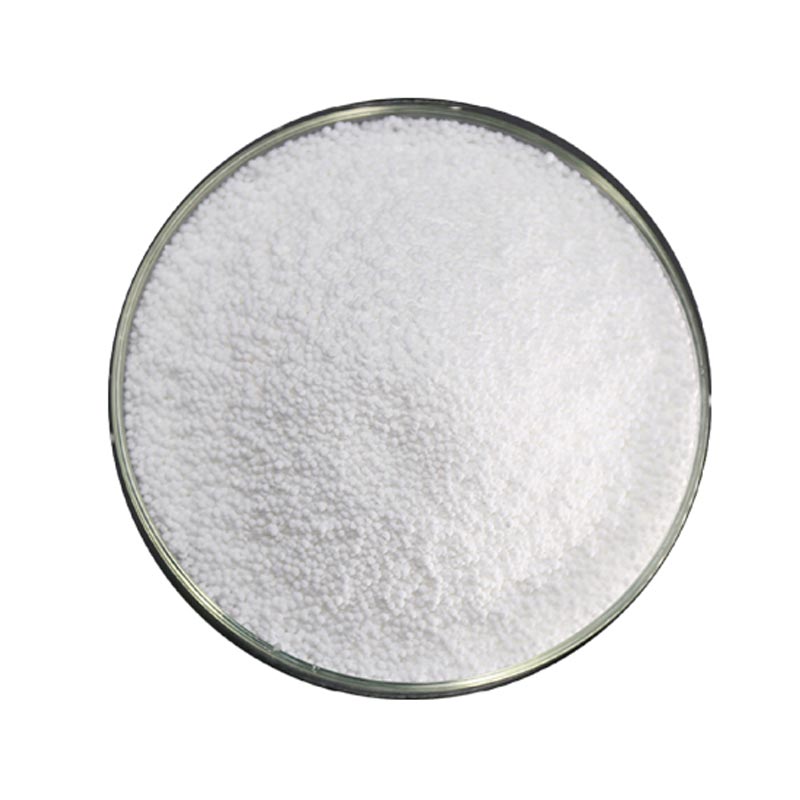
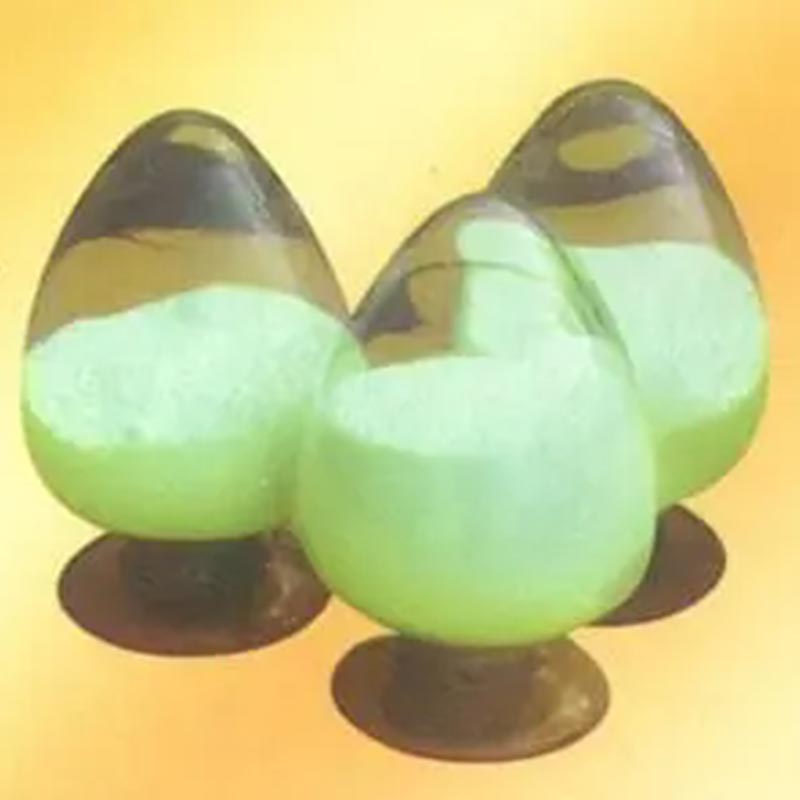
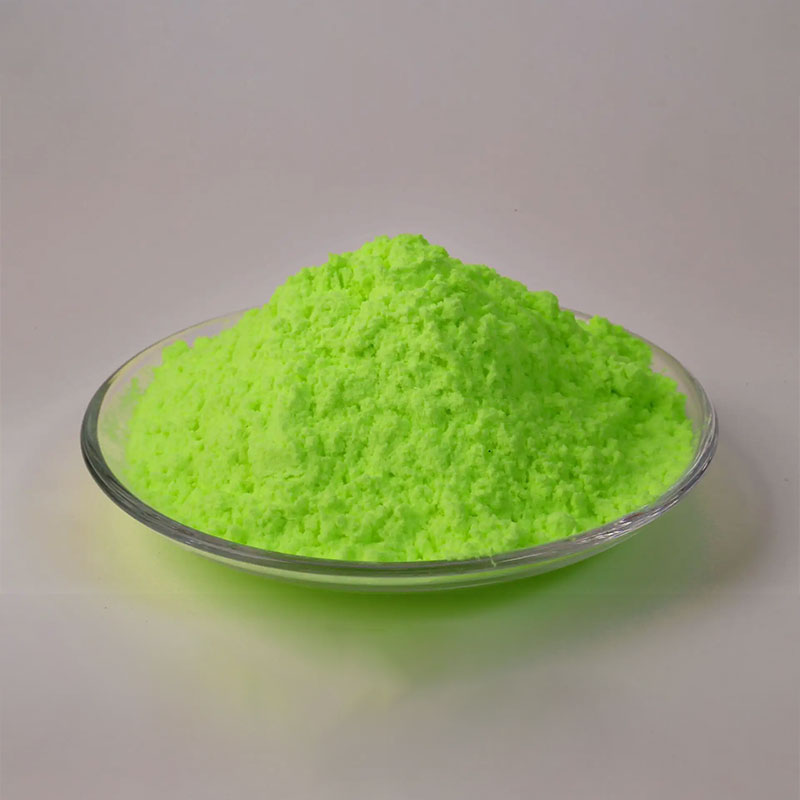
According to TONGGE's product information, Optical Brightener CXT is a white to off-white powder intended for the textile industry. The product is specifically identified for knitted cotton and T/C blend fabrics, making it relevant to textile manufacturers and finishing operations looking for an optical whitening solution.
For buyers comparing chemical suppliers, the product is also identified by several industry and trade names, including Fluorescent Brightener 71 and related C.I. fluorescent brightener designations. Its CAS number is 16090-02-1, while the listed EINECS number is 240-245-2.
How Do Optical Brighteners(CXT) Work?
The basic principle behind optical brightening is the conversion of ultraviolet energy into visible blue light. When an optical brightener is deposited appropriately on a textile surface, it can change how the human eye perceives the material under suitable lighting conditions.
- UV absorption: The brightener absorbs ultraviolet radiation within its effective spectral range.
- Fluorescence: The absorbed energy is re-emitted as visible light.
- Visual compensation: The emitted blue-violet light can counteract yellowish visual tones.
- Whiteness enhancement: The textile may appear cleaner, brighter, and more visually white.
This mechanism explains why optical brighteners are useful in applications where visual whiteness is an important product characteristic. However, their performance depends on factors such as substrate type, formulation, concentration, processing conditions, and compatibility with the overall textile finishing system.
What Are the Key Specifications of Optical Brighteners(CXT)?
Technical specifications are especially important when purchasing an industrial chemical because they provide a basis for quality control, incoming inspection, and supplier comparison. TONGGE lists the following specifications for its Optical Brightener CXT.
| Parameter | Specification |
|---|---|
| Product Name | Optical Brightener CXT |
| CAS Number | 16090-02-1 |
| EINECS | 240-245-2 |
| Molecular Formula | C40H38N12Na2O8S2 |
| Molecular Weight | 924.9149 |
| Appearance | White to off-white powder |
| Assay | 98.50% minimum |
| E-value (1%/cm) | 370 minimum |
| Ash | 0.50% maximum |
| Smell | No special smell |
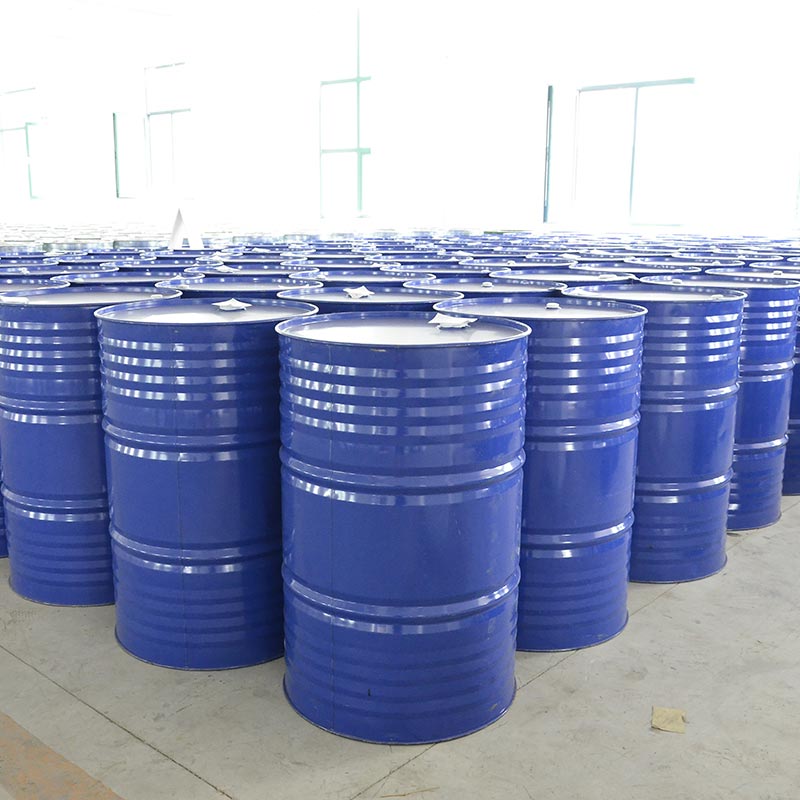
| Packaging | 25 kg/bag |
These values can help procurement teams establish a practical specification checklist. For production applications, buyers should also evaluate the product against their own textile substrates, processing equipment, formulation requirements, and internal quality standards before making large-scale purchasing decisions.
Where Are Optical Brighteners(CXT) Used?
The primary application identified by TONGGE is the textile industry, particularly knitted cotton and T/C blend fabrics. This makes CXT relevant to textile processors that need to enhance the visual appearance of appropriate white or light-colored fabrics.
Potential production environments include:
- Knitted cotton textile processing
- Cotton-blend fabric finishing
- T/C blend textile production
- Industrial textile whitening processes
- Fabric finishing systems where optical brightness is a defined quality target
Application conditions should always be established according to the specific fabric, process chemistry, equipment, and required brightness level. A supplier's technical documentation and laboratory testing can help manufacturers determine an appropriate formulation and process window.
What Are the Main Benefits for Textile Manufacturers?
For textile manufacturers, the value of an optical brightener is not simply its chemical identity but its ability to support a consistent visual result when incorporated into an appropriate process.
1. Enhanced Visual Whiteness
The fluorescent effect can make suitable fabrics appear brighter and whiter under appropriate lighting conditions.
2. Suitable for Cotton-Based Textile Applications
CXT is specifically listed for knitted cotton and T/C blend fabrics, providing a clear application direction for textile buyers.
3. Defined Quality Parameters
A stated minimum assay of 98.50% and E-value of 370 provides measurable quality indicators that procurement and quality-control teams can use during supplier evaluation.
4. Convenient Industrial Packaging
The listed 25 kg/bag packaging format is suitable for bulk industrial purchasing and routine warehouse management.
5. Easier Supplier Comparison
Buyers can compare suppliers using objective parameters such as assay, appearance, ash content, optical performance indicators, packaging, technical support, and application suitability rather than relying solely on price.
How Should Buyers Select Optical Brighteners(CXT)?
Choosing an optical brightener for industrial use requires more than checking whether a supplier offers the correct product name. A structured procurement process can reduce the risk of inconsistent results.
- Confirm chemical identity: Check the product name, CAS number, molecular formula, and applicable documentation.
- Review assay and quality indicators: Compare assay, E-value, ash, appearance, and other relevant specifications.
- Match the substrate: Confirm that the product is suitable for the intended cotton or T/C blend application.
- Request a sample: Conduct laboratory or pilot-scale trials before full production.
- Evaluate process compatibility: Check interaction with dyes, auxiliaries, detergents, finishing agents, temperature, pH, and other process variables.
- Assess supply capability: Consider packaging, production capacity, lead time, technical communication, and export experience.
- Compare total procurement value: Evaluate consistency and application performance alongside purchase price.
For buyers seeking a China Optical Brighteners(CXT) supplier, TONGGE's product information provides a useful starting point for reviewing CXT specifications and application scope.
What Should Buyers Know About Handling and Packaging?
Industrial chemical handling should always follow the supplier's current safety documentation, applicable regulations, and the user's own workplace procedures. Before receiving bulk material, purchasers should confirm the available SDS, storage requirements, transportation conditions, and recommended handling practices.
Because TONGGE lists Optical Brightener CXT in 25 kg/bag packaging, buyers should also consider warehouse conditions, moisture protection, batch identification, inventory rotation, and packaging integrity during transportation and storage.
A professional purchasing checklist should include:
- Product specification and batch information
- SDS and applicable technical documentation
- Packaging condition and labeling
- Storage and transportation requirements
- Sample approval before bulk production
- Quality inspection criteria upon arrival
Frequently Asked Questions About Optical Brighteners(CXT)
What is Optical Brightener CXT?
Optical Brightener CXT is a fluorescent whitening agent used to enhance the apparent whiteness and brightness of suitable materials. TONGGE identifies its CXT product as a textile-industry optical brightener for knitted cotton and T/C blend fabrics.
What is the CAS number of Optical Brightener CXT?
The listed CAS number is 16090-02-1. TONGGE also lists EINECS 240-245-2 for the product.
What is Optical Brightener CXT used for?
According to the manufacturer's product information, its stated application is the textile industry, particularly knitted cotton and T/C blend fabrics.
What are the main specifications of CXT?
The listed specifications include white to off-white powder appearance, minimum 98.50% assay, minimum E-value of 370, maximum 0.50% ash, and no special smell.
How is Optical Brightener CXT packaged?
TONGGE lists the standard packaging as 25 kg per bag. Bulk buyers should confirm the current packaging and logistics requirements with the supplier before placing an order.
Can CXT be directly used in every textile process?
Not necessarily. Application suitability depends on the textile substrate, formulation, processing conditions, and required optical effect. Manufacturers should conduct compatibility and performance testing before introducing a chemical into full-scale production.
Conclusion: Why Should Textile Buyers Consider Optical Brighteners(CXT)?
Optical Brighteners(CXT) can be an important formulation component for textile manufacturers seeking improved visual whiteness in suitable cotton and T/C blend fabrics. With defined chemical identification and quality specifications, CXT gives procurement teams measurable criteria for supplier comparison and incoming quality control. TONGGE provides Optical Brightener CXT with a stated minimum assay of 98.50%, E-value of at least 370, and 25 kg/bag packaging.
If you are evaluating CXT for textile production, need product specifications, samples, pricing, or supply information from a China chemical supplier, contact us to discuss your application requirements and receive professional assistance from TONGGE.