Hangzhou Tongge Energy Technology Co., Ltd.
News

News

Why Is Ammonium Dihydrogen Phosphate (MAP) an Essential Material for Modern Agriculture and Industry

2026-06-26 0 Leave me a message

Ammonium dihydrogen phosphate (MAP) is one of the world's most widely used phosphate compounds thanks to its excellent nutrient content, high purity, and versatile industrial performance. As a professional supplier, TONGGE provides high-quality Ammonium Dihydrogen Phosphate (MAP) that meets the demanding requirements of agriculture, fire protection, food processing, water treatment, and various industrial applications. Whether you are searching for a reliable fertilizer ingredient or a multifunctional phosphate chemical, understanding MAP's properties, applications, and purchasing considerations can help you make smarter sourcing decisions.

Ammonium dihydrogen phosphate(MAP)

Contents


What is Ammonium Dihydrogen Phosphate (MAP)?

Ammonium Dihydrogen Phosphate (MAP), with the chemical formula NH₄H₂PO₄, is a highly soluble inorganic phosphate salt produced through the controlled reaction of phosphoric acid and ammonia. It contains two essential nutrients—nitrogen (N) and phosphorus (P)—making it one of the most efficient phosphorus fertilizers available today.

Because of its excellent water solubility, low impurity content, and stable chemical characteristics, MAP is not only popular in agriculture but also widely used in industrial production. It serves as an important ingredient in fire extinguishing agents, fermentation nutrients, water treatment chemicals, specialty ceramics, textile processing, electronics manufacturing, and flame-retardant formulations.

Compared with many other phosphate fertilizers, MAP dissolves rapidly in water and provides immediately available phosphorus for crops during early growth stages. This characteristic significantly improves root development, seed germination, flowering performance, and overall plant vigor. Consequently, MAP has become a preferred fertilizer for vegetables, fruits, grains, greenhouse cultivation, and precision irrigation systems.

Industrial-grade MAP is valued for its high purity and predictable chemical behavior. Manufacturers appreciate its compatibility with many formulations, while agricultural users benefit from its balanced nutrient profile and excellent storage stability.

Key Characteristics

  • Excellent water solubility
  • High phosphorus concentration
  • Balanced nitrogen supply
  • Low chloride content
  • Suitable for fertigation systems
  • Compatible with many fertilizer blends
  • Stable during storage and transportation
  • Available in agricultural and industrial grades

Why Is MAP So Widely Used Worldwide?

Global demand for Ammonium Dihydrogen Phosphate continues to grow because it combines high nutrient efficiency with broad industrial adaptability. Farmers rely on MAP to improve crop establishment and maximize fertilizer efficiency, while manufacturers value its purity, consistency, and dependable performance in specialized production processes.

Another reason for its popularity is its compatibility with modern agricultural technologies. MAP performs exceptionally well in drip irrigation, sprinkler irrigation, hydroponic cultivation, and precision fertilizer management systems where complete dissolution and accurate nutrient delivery are essential.

From an industrial perspective, MAP offers excellent thermal stability and chemical consistency, making it suitable for applications requiring strict quality control. As industries increasingly seek reliable raw materials with consistent specifications, demand for premium MAP products continues to expand.

In the following sections, we will explore how MAP is manufactured, examine its key physical and chemical properties, and discuss why it has become an indispensable material across agriculture and industry.


How Is Ammonium Dihydrogen Phosphate (MAP) Manufactured?

The production of Ammonium Dihydrogen Phosphate (MAP) involves a carefully controlled neutralization reaction between high-purity phosphoric acid and anhydrous ammonia. The manufacturing process is designed to ensure product consistency, high nutrient content, and minimal impurities, making MAP suitable for both agricultural and industrial applications.

Modern production facilities employ advanced automation systems to precisely control reaction temperature, pH, and material ratios. These measures help produce MAP with uniform particle size, excellent solubility, and stable chemical performance. Suppliers like TONGGE emphasize strict quality management throughout production to ensure every batch meets international standards.

Typical Manufacturing Process

  1. Selection of high-quality phosphoric acid and ammonia.
  2. Controlled neutralization reaction in specialized reactors.
  3. Formation of ammonium dihydrogen phosphate slurry.
  4. Granulation or crystallization depending on product specifications.
  5. Drying under controlled temperatures.
  6. Cooling and particle screening.
  7. Quality inspection and laboratory testing.
  8. Packaging and shipment.

Each production stage directly influences the final product's purity, particle strength, moisture content, and storage stability. Continuous quality monitoring helps ensure reliable performance across different industries.


Chemical and Physical Properties

Understanding the physical and chemical characteristics of MAP helps buyers determine whether it meets their application requirements. The combination of high phosphorus availability and excellent water solubility makes MAP one of the most effective phosphate compounds available.

Property Description
Chemical Formula NH₄H₂PO₄
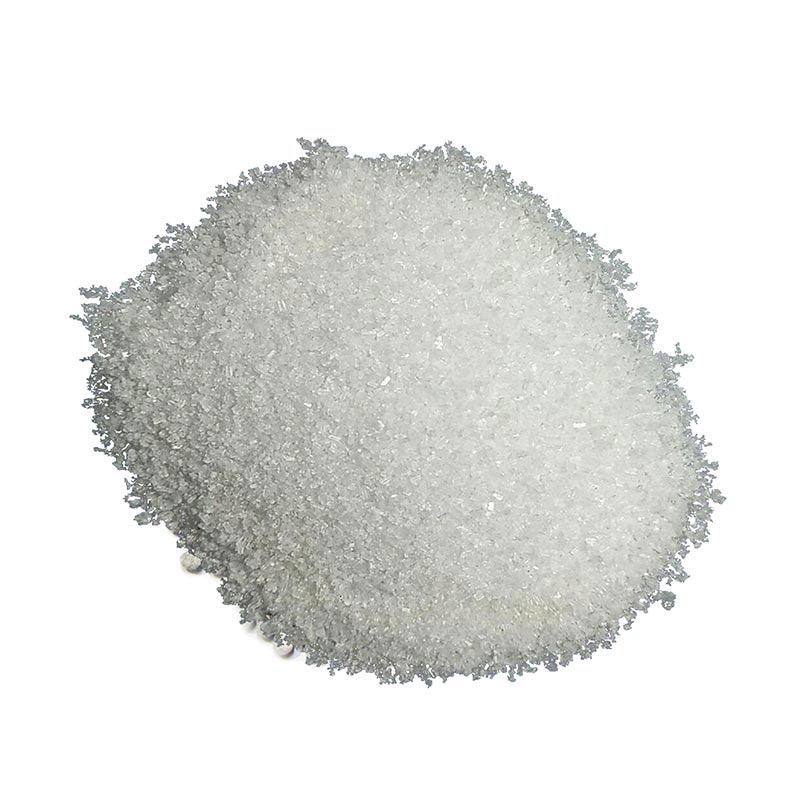
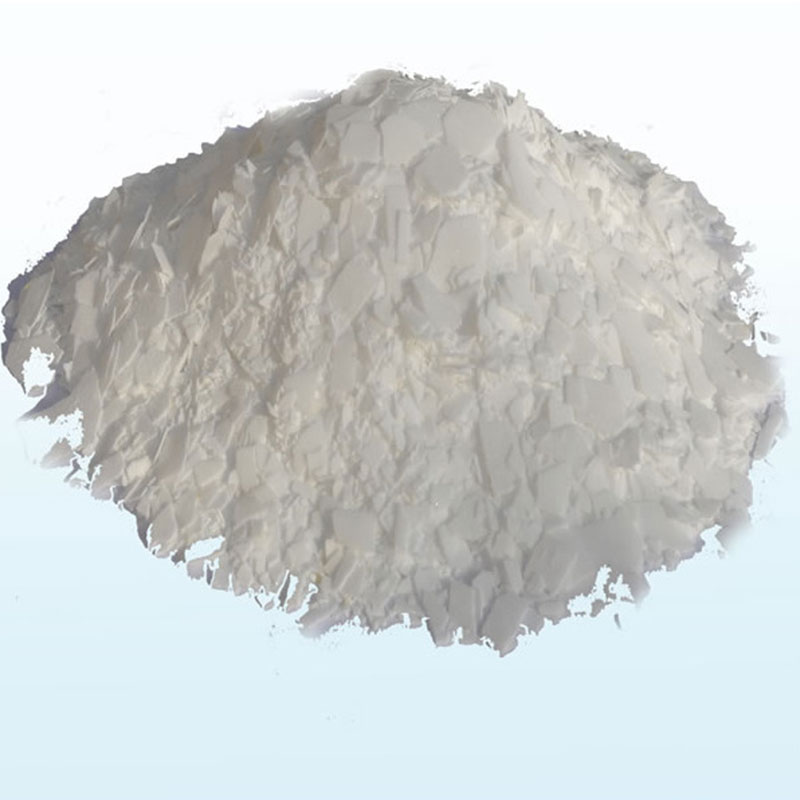
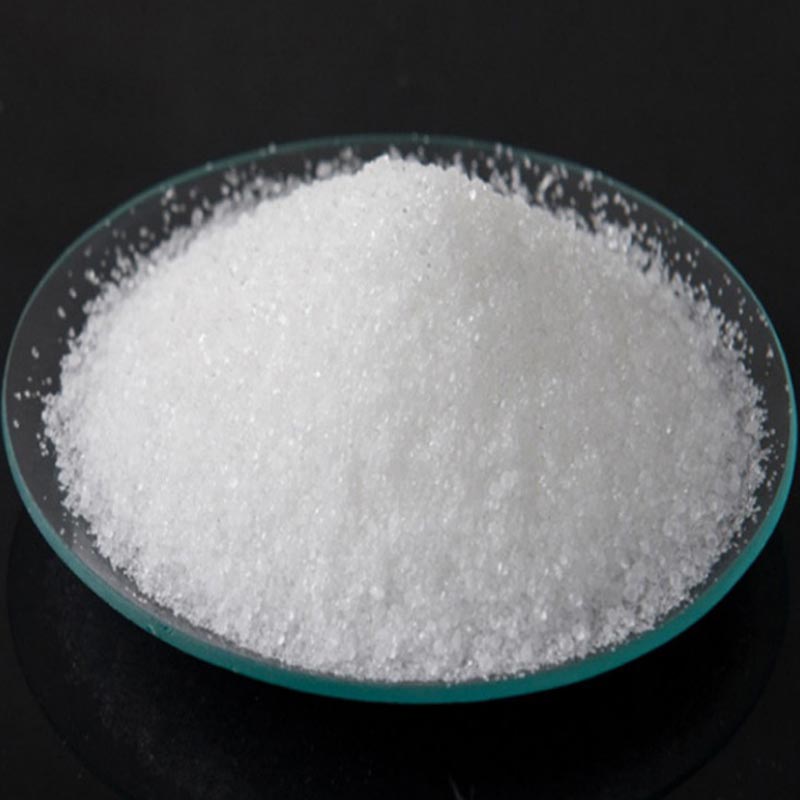
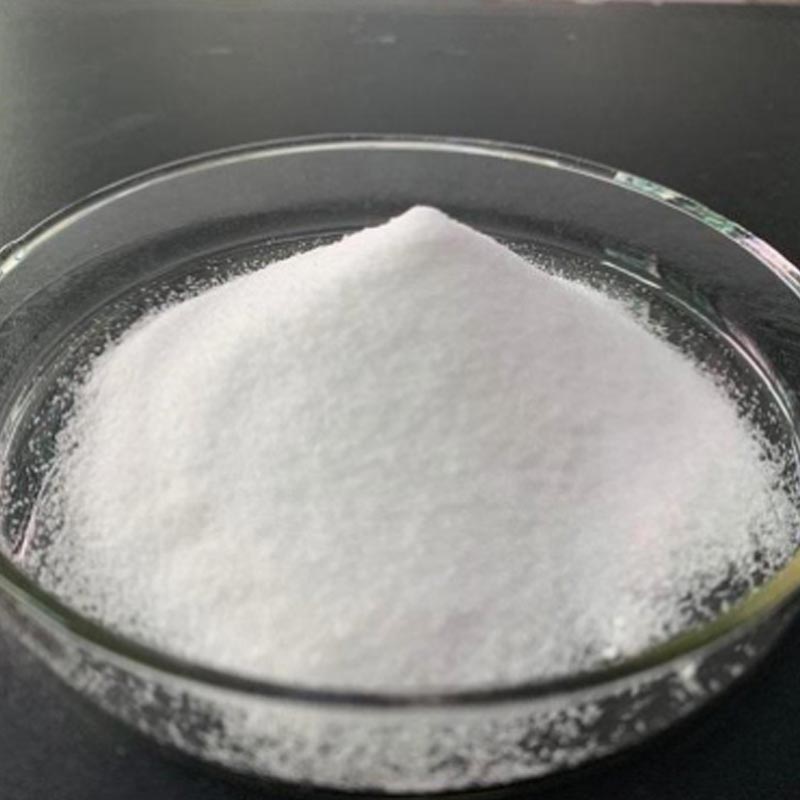
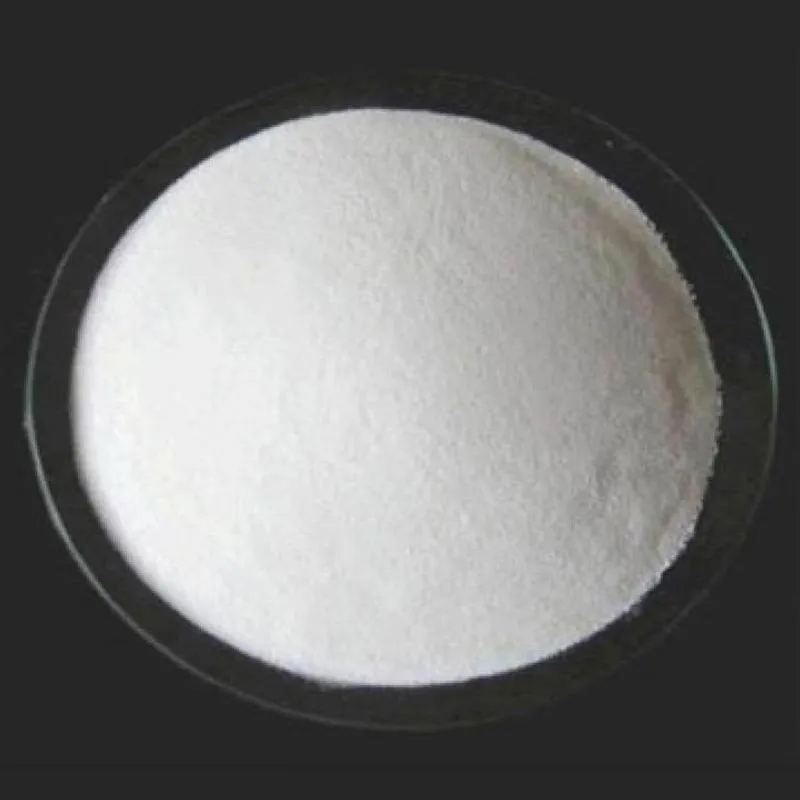
Appearance White crystalline powder or granules
Water Solubility Highly soluble
Nitrogen Content Approximately 12%
Available Phosphorus (P₂O₅) Approximately 61%
Color White
Storage Stability Excellent under dry conditions
Primary Grades Agricultural Grade / Industrial Grade

These properties allow MAP to perform exceptionally well in applications requiring rapid dissolution, precise nutrient delivery, and consistent chemical composition.

Main Advantages of Its Chemical Properties

  • Fast dissolution in water.
  • High phosphorus availability.
  • Low impurity levels.
  • Stable storage performance.
  • Excellent compatibility with many fertilizer formulations.
  • Suitable for automated fertigation systems.
  • Reliable quality for industrial processing.

Major Applications of Ammonium Dihydrogen Phosphate (MAP)

One of MAP's greatest strengths is its versatility. It serves a wide variety of industries due to its balanced nutrient profile, excellent solubility, and dependable chemical behavior.

1. Agricultural Fertilizers

Agriculture remains the largest consumer of MAP worldwide. It supplies crops with highly available phosphorus and nitrogen during early growth stages, promoting stronger root systems, vigorous seedlings, and higher crop yields.

  • Vegetable production
  • Fruit orchards
  • Cereal crops
  • Cash crops
  • Greenhouse cultivation
  • Hydroponic farming
  • Drip irrigation systems
  • Foliar fertilizer formulations

2. Fire Protection Industry

Industrial-grade MAP is widely used as the active component in dry chemical fire extinguishing powders. When exposed to high temperatures, it helps interrupt combustion reactions and suppress flames efficiently, making it suitable for multipurpose fire extinguishers.

3. Food Processing

Food-grade phosphate compounds are commonly used as buffering agents, yeast nutrients, and acidity regulators in selected food applications. High-purity MAP may also be utilized where strict quality specifications are required.

4. Water Treatment

MAP contributes phosphorus nutrients in biological wastewater treatment processes and supports controlled chemical reactions in specialized treatment systems.

5. Fermentation Industry

Microorganisms require phosphorus and nitrogen for healthy growth. MAP provides readily available nutrients that help improve fermentation efficiency in biotechnology and industrial fermentation applications.

6. Industrial Manufacturing

MAP is also used in the production of specialty ceramics, flame-retardant materials, textile chemicals, electronic materials, laboratory reagents, and other phosphate-based industrial products where product consistency is essential.


Why Choose Ammonium Dihydrogen Phosphate (MAP)?

As global industries continue to prioritize efficiency, sustainability, and product consistency, Ammonium Dihydrogen Phosphate (MAP) has become one of the most trusted phosphate materials available. Its unique combination of high nutrient concentration, excellent water solubility, and reliable chemical stability makes it suitable for both agricultural production and industrial manufacturing.

Compared with many conventional phosphate products, MAP delivers faster nutrient availability while maintaining excellent compatibility with modern irrigation systems and industrial formulations. This versatility allows businesses to simplify procurement by using one high-performance phosphate product across multiple applications.

Key Benefits of MAP

  • High phosphorus concentration for improved efficiency.
  • Provides both nitrogen and phosphorus in one product.
  • Dissolves quickly without leaving significant residue.
  • Excellent compatibility with drip irrigation and fertigation systems.
  • Low impurity content supports stable industrial processing.
  • Suitable for blending with many water-soluble fertilizers.
  • Stable storage characteristics under recommended conditions.
  • Available in multiple grades for different industries.
  • Widely accepted in international markets.
  • Cost-effective solution for large-scale operations.

Storage and Handling Tips

Proper storage is essential to preserve the quality and performance of MAP. Although it offers excellent chemical stability, prolonged exposure to moisture or unsuitable storage environments may affect flowability and product appearance.

Recommended Storage Practices

  • Store in a cool, dry, and well-ventilated warehouse.
  • Keep packaging tightly sealed after opening.
  • Avoid direct exposure to sunlight.
  • Protect the product from rain and excessive humidity.
  • Keep away from strong alkalis and incompatible chemicals.
  • Stack bags securely to prevent package damage.
  • Follow the supplier's storage recommendations for long-term inventory.

Following these guidelines helps maintain the product's physical quality, minimizes caking, and ensures consistent performance throughout its shelf life.


How to Choose High-Quality Ammonium Dihydrogen Phosphate (MAP)

Selecting the right supplier is just as important as choosing the right product. While many manufacturers offer MAP, differences in raw materials, production technology, quality control, and customer service can significantly impact long-term value.

Before placing an order, buyers should evaluate both product specifications and supplier capabilities to ensure reliable performance and stable supply.

Important Purchasing Considerations

Evaluation Factor Why It Matters
Raw Material Quality Ensures high purity and stable performance.
Manufacturing Process Improves consistency and particle uniformity.
Quality Inspection Guarantees every batch meets specifications.
Packaging Protects product quality during transportation.
Supply Capacity Supports stable long-term procurement.
Technical Support Provides application guidance and product recommendations.
Export Experience Ensures efficient international logistics and documentation.

Working with an experienced supplier helps minimize purchasing risks while ensuring consistent product quality, timely delivery, and responsive technical assistance.


The global demand for Ammonium Dihydrogen Phosphate continues to expand as agriculture becomes increasingly technology-driven and industries seek higher-quality phosphate materials. Precision farming, water-soluble fertilizers, and sustainable crop management practices are driving significant growth in MAP consumption.

In industrial sectors, manufacturers are also increasing their use of high-purity phosphate chemicals for advanced materials, electronics, specialty ceramics, and environmentally friendly flame-retardant products. As quality standards continue to improve worldwide, suppliers capable of delivering consistent product quality and reliable logistics will become increasingly competitive.

Digital agriculture, automated fertigation systems, and precision nutrient management are expected to further strengthen MAP's position as one of the most important phosphate products in the coming years.


Frequently Asked Questions (FAQ)

1. What is Ammonium Dihydrogen Phosphate (MAP) mainly used for?

MAP is primarily used as a high-efficiency phosphate fertilizer in agriculture, supplying readily available phosphorus and nitrogen to promote root development and early plant growth. In addition, it is widely applied in dry chemical fire extinguishing agents, water treatment, fermentation, specialty chemicals, ceramics, textiles, and various industrial manufacturing processes.

2. What is the difference between MAP and DAP?

Both MAP (Ammonium Dihydrogen Phosphate) and DAP (Diammonium Phosphate) are phosphate fertilizers, but they differ in nutrient composition and pH characteristics. MAP generally contains approximately 12% nitrogen and 61% available phosphate (P₂O₅), while DAP contains higher nitrogen but lower phosphorus. MAP also produces a slightly acidic reaction after dissolving, making it suitable for a wider range of soils and crops.

3. Is MAP completely water-soluble?

Yes. High-quality MAP has excellent water solubility, allowing it to dissolve quickly without significant residue. This makes it an excellent choice for drip irrigation, sprinkler systems, hydroponics, and water-soluble fertilizer formulations.

4. Can MAP be mixed with other fertilizers?

In many cases, MAP is compatible with a wide range of water-soluble fertilizers and nutrient solutions. However, compatibility depends on the specific formulation and concentration. It is always advisable to conduct a small-scale compatibility test or consult your supplier before preparing large fertilizer blends.

5. How should MAP be stored?

Store MAP in a cool, dry, and well-ventilated environment. Keep the packaging tightly sealed to prevent moisture absorption and caking. Avoid direct sunlight, excessive humidity, and contact with incompatible chemicals to maintain optimal product quality during storage.

6. Why should I choose TONGGE as my MAP supplier?

TONGGE is committed to supplying high-quality Ammonium Dihydrogen Phosphate (MAP) with stable specifications, strict quality control, dependable supply capacity, and professional customer support. By focusing on product consistency and customer satisfaction, TONGGE helps clients achieve reliable performance across agricultural and industrial applications.


Conclusion

Ammonium Dihydrogen Phosphate (MAP) continues to play a vital role in modern agriculture and industrial manufacturing because of its exceptional phosphorus availability, balanced nutrient composition, outstanding water solubility, and versatile application potential. Whether you are looking to improve crop productivity, optimize fertilizer formulations, or source a reliable phosphate chemical for industrial production, choosing premium-quality MAP can significantly enhance efficiency and long-term performance.

Partnering with a trusted supplier is equally important. With extensive industry experience, consistent product quality, and a commitment to customer satisfaction, TONGGE is ready to support your business with dependable MAP solutions tailored to your specific requirements.

Looking for a reliable Ammonium Dihydrogen Phosphate (MAP) supplier?

Whether you need agricultural-grade or industrial-grade MAP, TONGGE is dedicated to providing high-quality products, competitive pricing, professional technical support, and dependable global delivery. If you would like to learn more about our products or request a customized quotation, please contact us today. Our experienced team is always ready to help you find the right phosphate solution for your business.

Related News
Leave me a message
X
We use cookies to offer you a better browsing experience, analyze site traffic and personalize content. By using this site, you agree to our use of cookies.Privacy Policy
RejectAccept