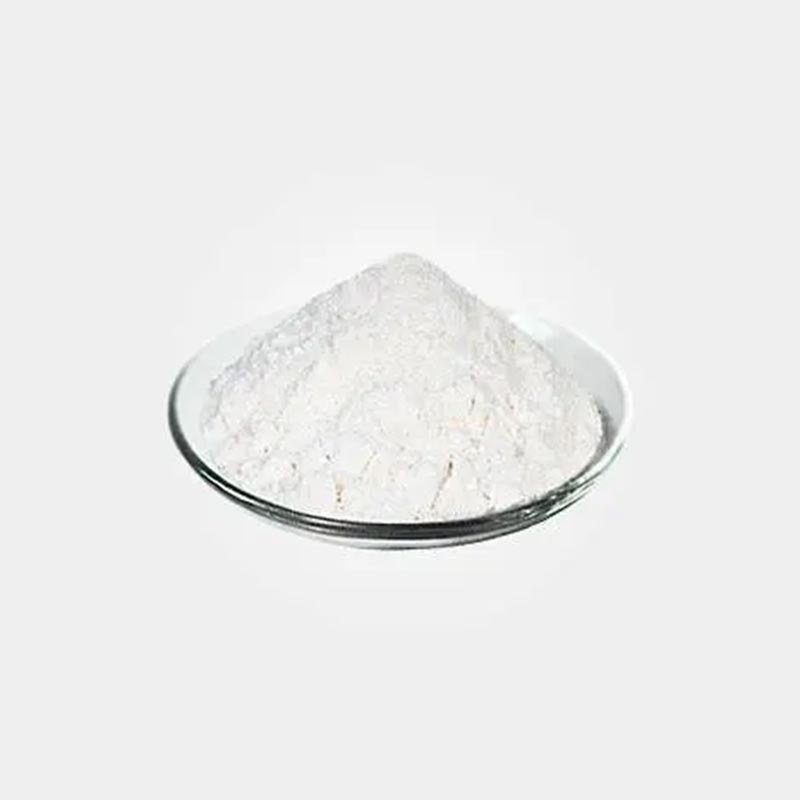
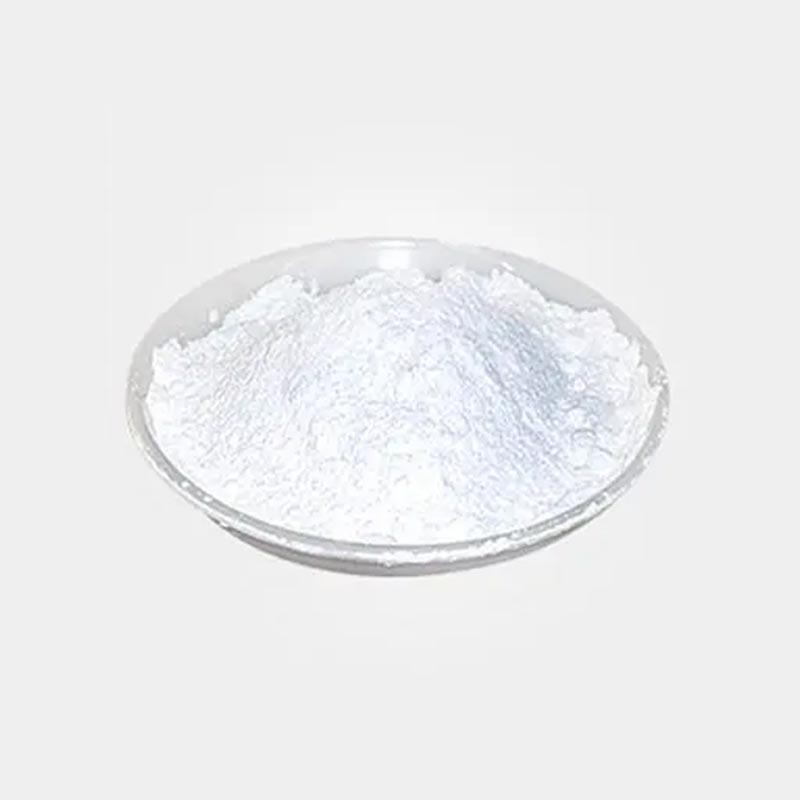
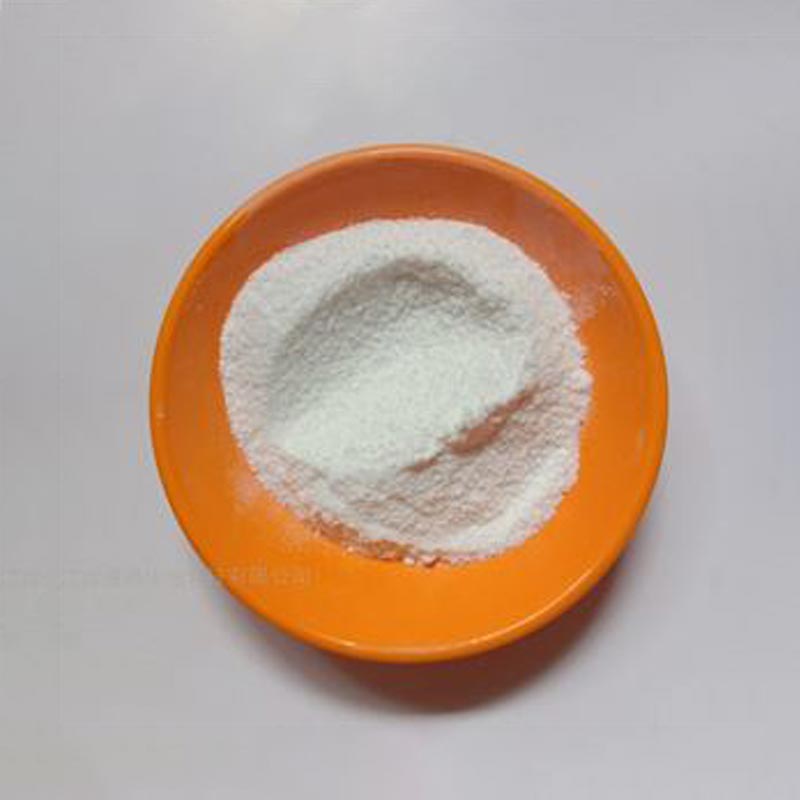
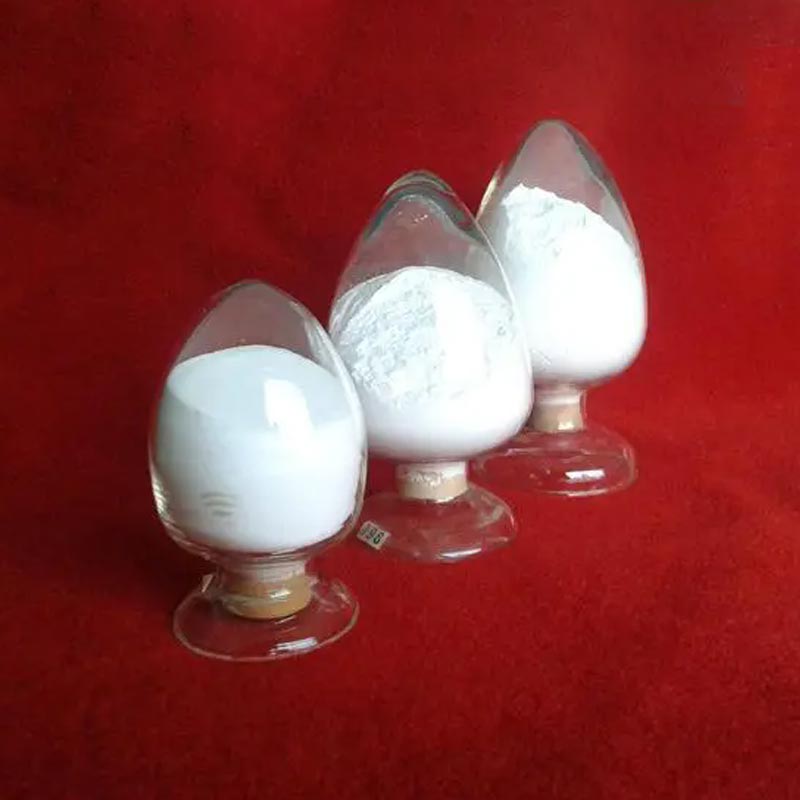
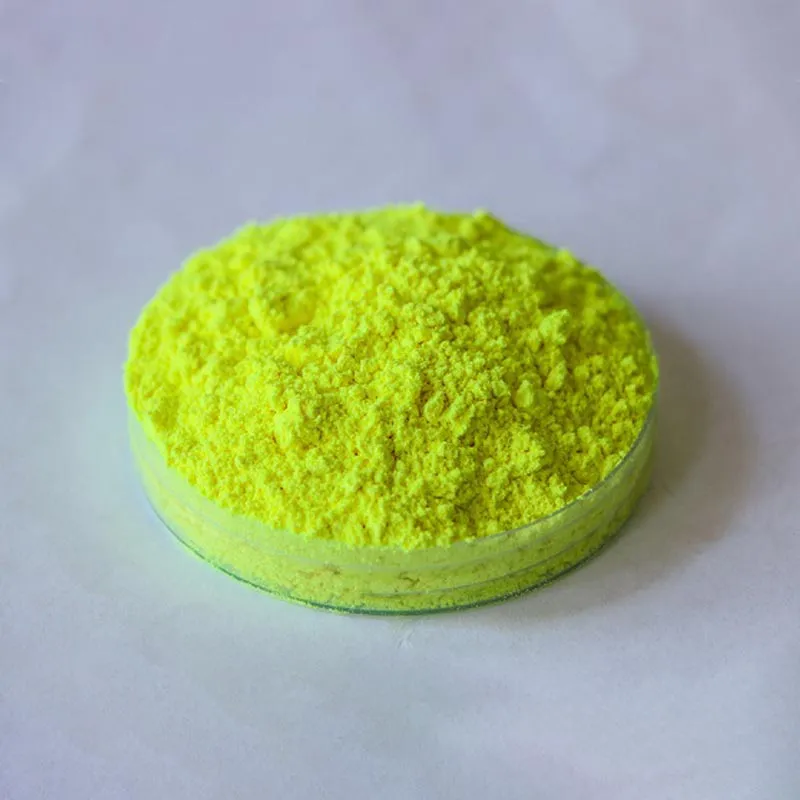
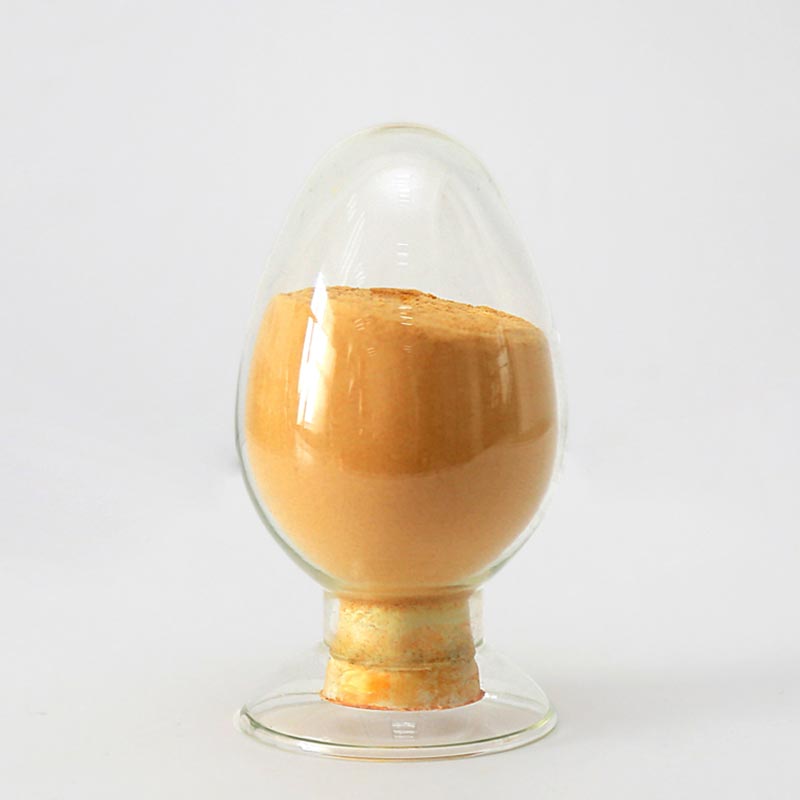
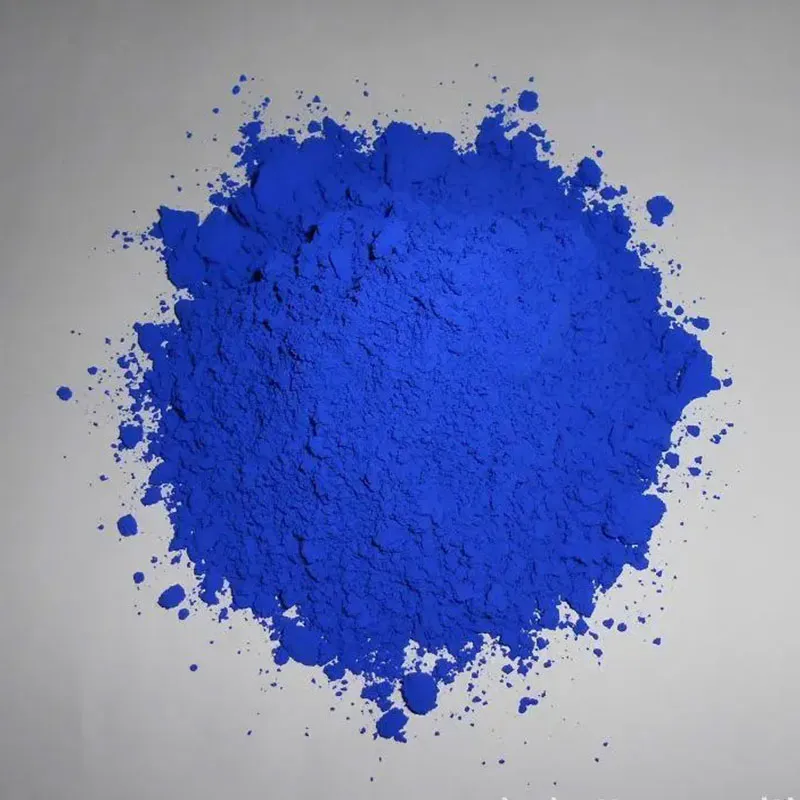
Ammonium Polyphosphate (APP) is a highly efficient phosphorus-based flame retardant widely used in coatings, plastics, textiles, adhesives, and construction materials. With excellent thermal stability, low toxicity, and strong smoke suppression performance, APP has become an important solution for improving fire safety in various industries. Tongge specializes in providing high-quality Ammonium Polyphosphate (APP) with stable performance, reliable quality, and professional supply capabilities to meet the growing demands of global industrial applications.
Ammonium Polyphosphate (APP) is an inorganic polymer compound produced through the polymerization reaction of ammonium phosphate. It contains phosphorus and nitrogen elements, which work together to provide excellent flame-retardant properties.
Unlike traditional halogen-based flame retardants, APP offers advantages such as low smoke emission, low toxicity, and environmental compatibility. When exposed to high temperatures, APP releases phosphoric acid compounds that promote the formation of a protective carbonized layer. This barrier reduces heat transfer and prevents oxygen from reaching the combustible material, effectively slowing down flame propagation.
Due to its outstanding fire protection performance, Ammonium Polyphosphate has become a widely adopted additive in modern flame-retardant systems, especially where safety, environmental requirements, and long-term stability are important considerations.
The increasing demand for APP comes from its balanced performance characteristics. Compared with many conventional flame retardants, Ammonium Polyphosphate provides efficient fire resistance while maintaining material properties.
| Feature | Description | Industrial Benefit |
|---|---|---|
| High Phosphorus Content | Provides strong flame-retardant efficiency through phosphorus-based protection mechanisms. | Improves fire resistance with lower additive levels. |
| Excellent Thermal Stability | Maintains performance under elevated temperatures. | Suitable for high-temperature processing applications. |
| Low Toxicity | Does not contain harmful halogen elements. | Supports environmentally friendly product development. |
| Low Smoke Generation | Produces less smoke compared with traditional flame retardants. | Improves safety during fire situations. |
| Good Compatibility | Works well with various polymers, coatings, and resin systems. | Provides flexible formulation options. |
These advantages make APP a valuable choice for manufacturers looking to improve fire performance while complying with increasingly strict environmental and safety standards.
Ammonium Polyphosphate has a broad application range because of its excellent flame-retardant mechanism. It can be used independently or combined with other additives to create advanced fire-resistant formulations.
With increasing global attention toward fire safety regulations, the demand for reliable Ammonium Polyphosphate solutions continues to grow across multiple industries.
Ammonium Polyphosphate is mainly classified according to polymerization degree, solubility, and application requirements. Different grades provide different performance characteristics.
| APP Type | Main Characteristics | Common Applications |
|---|---|---|
| Low Polymerization APP | Higher water solubility and easier processing. | Water-based coatings and general flame-retardant formulations. |
| High Polymerization APP | Excellent water resistance and thermal stability. | Advanced coatings, plastics, and durable flame-retardant systems. |
| Microencapsulated APP | Improved compatibility and moisture resistance. | High-performance polymer applications. |
Selecting the appropriate APP grade depends on factors such as processing temperature, material compatibility, required flame-retardant level, and final product application.
Choosing a reliable supplier is essential because APP quality directly affects the flame-retardant performance and stability of finished products. Professional manufacturers should provide consistent product quality, technical support, and dependable supply capacity.
When evaluating an Ammonium Polyphosphate supplier, consider the following factors:
Tongge focuses on supplying industrial chemical materials with dependable quality control and professional service. By combining manufacturing experience with customer-oriented solutions, Tongge supports various industries requiring efficient flame-retardant materials.
Ammonium Polyphosphate is mainly used as a flame retardant in coatings, plastics, textiles, construction materials, adhesives, and polymer products. It improves fire resistance by promoting protective char formation.
Yes. APP is considered an environmentally preferable flame retardant because it contains no halogen elements and produces relatively low smoke during combustion compared with many traditional flame-retardant additives.
Low polymerization APP generally provides better solubility and processing convenience, while high polymerization APP offers improved water resistance, thermal stability, and durability for demanding applications.
Yes. APP is widely used in plastic flame-retardant formulations, especially for engineering plastics and polymer materials requiring enhanced fire safety performance.
APP should be stored in a dry, ventilated environment and protected from excessive moisture to maintain product stability and performance.
Ammonium Polyphosphate (APP) has become an essential flame-retardant material because of its excellent fire protection efficiency, environmental advantages, and wide compatibility with different industrial materials. From construction coatings to polymer applications, APP provides manufacturers with a reliable solution for improving product safety and meeting modern fire-resistance requirements.
If you are looking for high-quality Ammonium Polyphosphate with stable performance and professional technical support, Tongge is ready to provide reliable solutions for your industrial needs. Please contact us to discuss product specifications, application requirements, and customized supply options.