Hangzhou Tongge Energy Technology Co., Ltd.
News

News

Why Is Sodium Glutamate Becoming an Essential Ingredient in Modern Food Production

2026-08-07 0 Leave me a message

Sodium glutamate has become one of the most widely used flavor-enhancing ingredients in the global food industry due to its excellent umami taste, high stability, and versatile applications. As a professional supplier in the food additive industry, TONGGE provides high-quality Sodium glutamate solutions designed to meet the requirements of food manufacturers, distributors, and industrial users worldwide. This article explains the characteristics, production advantages, applications, and purchasing considerations of Sodium glutamate while exploring why it continues to play an important role in modern food processing.

Sodium glutamate

Table of Contents


What Is Sodium Glutamate and How Does It Work?

Sodium glutamate, commonly known as MSG, is a sodium salt derived from glutamic acid, one of the naturally occurring amino acids found in many foods. It is widely recognized for enhancing savory flavors by stimulating umami taste receptors on the human tongue.

Unlike traditional seasonings that mainly provide saltiness or sweetness, Sodium glutamate improves the overall flavor balance of food products. It helps highlight natural ingredients, strengthen taste intensity, and create a more satisfying eating experience without requiring excessive amounts of other flavoring agents.

In modern food manufacturing, Sodium glutamate is valued because of its stable chemical properties, easy processing characteristics, and compatibility with different food formulations. It can be combined with spices, seasonings, sauces, instant foods, and processed products to achieve consistent flavor performance.

Item Description
Product Name Sodium Glutamate
Common Name Monosodium Glutamate (MSG)
Function Flavor enhancer providing umami taste
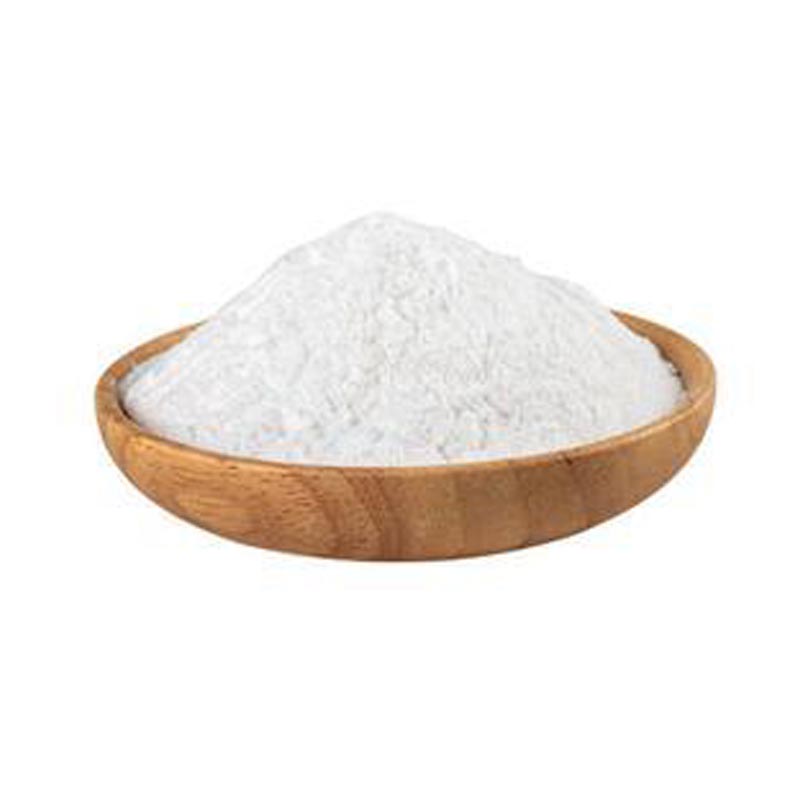
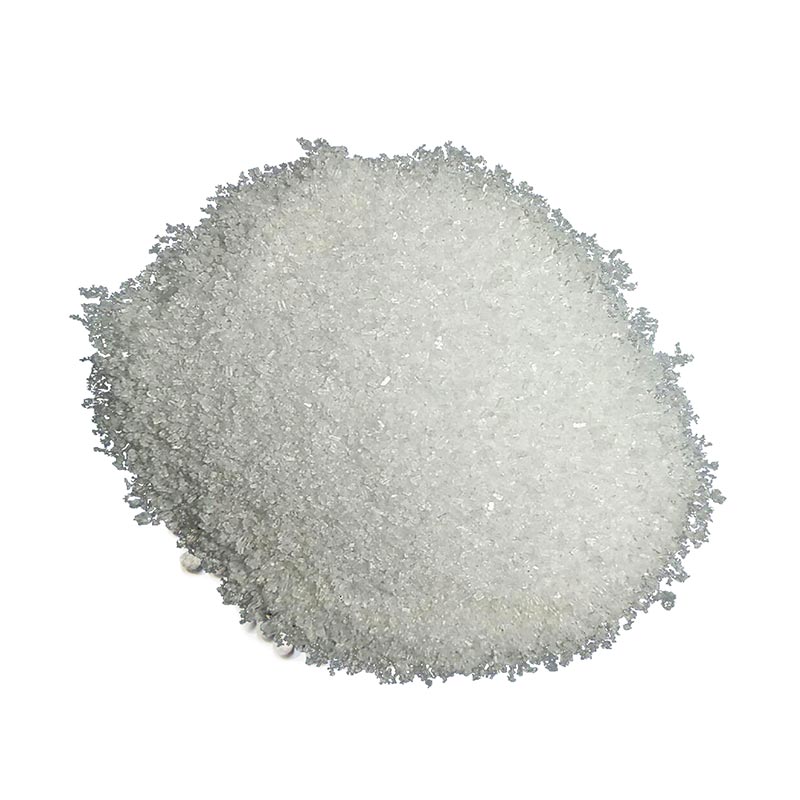
Appearance White crystalline powder or granules
Main Application Food seasoning, processed food, sauces, snacks

What Are the Key Features and Benefits of Sodium Glutamate?

The increasing demand for Sodium glutamate in the food industry is mainly driven by its functional advantages. Food manufacturers choose this ingredient because it delivers reliable flavor improvement while maintaining production efficiency.

1. Strong Umami Flavor Enhancement

The primary advantage of Sodium glutamate is its ability to provide a rich umami sensation. It enhances savory notes in food products and allows manufacturers to develop more attractive flavors for consumers.

2. Excellent Stability During Processing

Sodium glutamate maintains stable performance under common food processing conditions, including heating, storage, and transportation. This makes it suitable for large-scale industrial food production.

3. Wide Compatibility With Food Ingredients

Sodium glutamate can work effectively with various ingredients, including salt, spices, meat extracts, vegetables, and other seasonings. This flexibility makes it an important component in many food formulations.

  • Improves overall taste intensity
  • Supports consistent flavor quality
  • Suitable for different food manufacturing processes
  • Helps optimize seasoning formulas
  • Provides cost-effective flavor enhancement

For food companies searching for a reliable China Sodium glutamate supplier, product consistency, manufacturing capability, and quality management are important factors when selecting a long-term partner.


Where Is Sodium Glutamate Commonly Used?

Due to its excellent flavor-enhancing performance, Sodium glutamate is widely applied across multiple food categories. From household seasoning products to industrial food manufacturing, it supports better taste development and product differentiation.

Application Field Typical Products Main Purpose
Seasoning Industry Seasoning powder, sauces, spice blends Enhance savory flavor
Snack Manufacturing Chips, crackers, flavored snacks Create stronger taste profiles
Instant Food Production Instant noodles, soup mixes Improve consumer flavor experience
Meat Processing Sausages, meat products Increase natural savory taste
Restaurant & Catering Prepared dishes and sauces Maintain consistent flavor quality

How Is High-Quality Sodium Glutamate Produced?

The quality of Sodium glutamate depends greatly on production technology, raw material selection, and strict quality control procedures. Professional manufacturers usually adopt advanced fermentation technology to produce Sodium glutamate efficiently while ensuring product purity and consistency.

Modern Sodium glutamate production commonly uses natural carbohydrate sources such as corn, sugarcane, or other agricultural materials. Through microbial fermentation, glutamic acid is generated and then converted into Sodium glutamate through neutralization, purification, crystallization, and drying processes.

Key Production Steps Include:

  1. Raw Material Preparation: Selected agricultural materials are processed to provide suitable nutrients for fermentation.
  2. Fermentation Process: Microorganisms convert raw materials into glutamic acid under controlled conditions.
  3. Neutralization and Purification: Glutamic acid reacts with sodium compounds to form Sodium glutamate with improved purity.
  4. Crystallization and Drying: The final product is processed into stable crystals or powder for industrial applications.
  5. Quality Inspection: Finished products undergo testing to ensure they meet food industry requirements.

Reliable manufacturers focus not only on production capacity but also on quality management systems, traceability, and consistent supply ability. These factors are especially important for global buyers looking for a professional Sodium glutamate manufacturer or factory partner.


How to Choose a Reliable Sodium Glutamate Supplier?

Selecting the right Sodium glutamate supplier is essential for food companies that require stable quality, competitive pricing, and long-term cooperation. A trustworthy supplier should provide professional manufacturing capabilities and transparent quality assurance.

Important Factors to Consider:

  • Product Quality Control: The supplier should have strict inspection procedures to ensure product purity, appearance, and performance consistency.
  • Manufacturing Experience: Experienced manufacturers usually have better production management and technical support capabilities.
  • Supply Capacity: Stable production capacity helps customers maintain continuous inventory and avoid supply interruptions.
  • Customization Ability: Different food applications may require specific particle sizes, packaging solutions, or supply arrangements.
  • Export Experience: International trading experience ensures smoother communication, documentation, and delivery processes.
Selection Criteria Why It Matters
Stable Quality Ensures consistent food flavor performance
Professional Production Guarantees reliable large-scale supply
Technical Support Helps optimize product applications
Competitive Pricing Improves production cost efficiency
Fast Response Service Supports efficient business cooperation

For international buyers, cooperating with an experienced China Sodium glutamate supplier can provide advantages in production capacity, supply chain efficiency, and cost control.


The global food market continues to develop toward convenience, diversity, and improved taste experiences. As consumers demand better flavor quality from processed foods, Sodium glutamate remains an important ingredient for manufacturers.

Several market trends are supporting the continued application of Sodium glutamate:

  • Growth of Processed Food: Increasing consumption of instant meals, snacks, and ready-to-eat products creates continuous demand for flavor enhancers.
  • Expansion of Food Manufacturing: Food producers require reliable ingredients that can maintain consistent product quality.
  • Advanced Food Technology: Improved production methods allow manufacturers to achieve higher efficiency and better quality control.
  • Global Supply Chain Development: International cooperation between manufacturers and buyers continues to expand.

With its unique flavor-enhancing function and wide application range, Sodium glutamate will continue to be an important ingredient supporting innovation in food production.


Frequently Asked Questions About Sodium Glutamate

1. What is Sodium glutamate mainly used for?

Sodium glutamate is mainly used as a flavor enhancer in food products. It improves umami taste and enhances the overall flavor profile of seasoning products, snacks, sauces, instant foods, and processed foods.

2. Is Sodium glutamate the same as MSG?

Yes. Sodium glutamate is commonly known as monosodium glutamate or MSG. These terms generally refer to the same food additive used for flavor enhancement.

3. How should Sodium glutamate be stored?

Sodium glutamate should normally be stored in a cool, dry environment away from moisture and direct sunlight. Proper storage helps maintain product quality and shelf stability.

4. Why should food manufacturers purchase Sodium glutamate from professional suppliers?

Professional suppliers can provide consistent product quality, reliable production capacity, technical support, and efficient logistics solutions, helping food manufacturers maintain stable operations.


Conclusion

Sodium glutamate plays a significant role in modern food production because of its excellent umami enhancement ability, stable performance, and wide application range. From seasoning products to processed foods, it helps manufacturers create better flavor experiences while improving production efficiency. Choosing a reliable supplier with professional manufacturing capabilities is essential for achieving long-term business success.

If you are looking for high-quality Sodium glutamate solutions, competitive supply options, and professional support for your food production needs, please feel free to contact us for more information and customized cooperation opportunities.

Related News
Leave me a message
X
We use cookies to offer you a better browsing experience, analyze site traffic and personalize content. By using this site, you agree to our use of cookies.Privacy Policy
RejectAccept