Hangzhou Tongge Energy Technology Co., Ltd.
News

News

How Does Sodium Persulfate Transform Industrial Applications and Safety Practices?

2025-12-16 0 Leave me a message

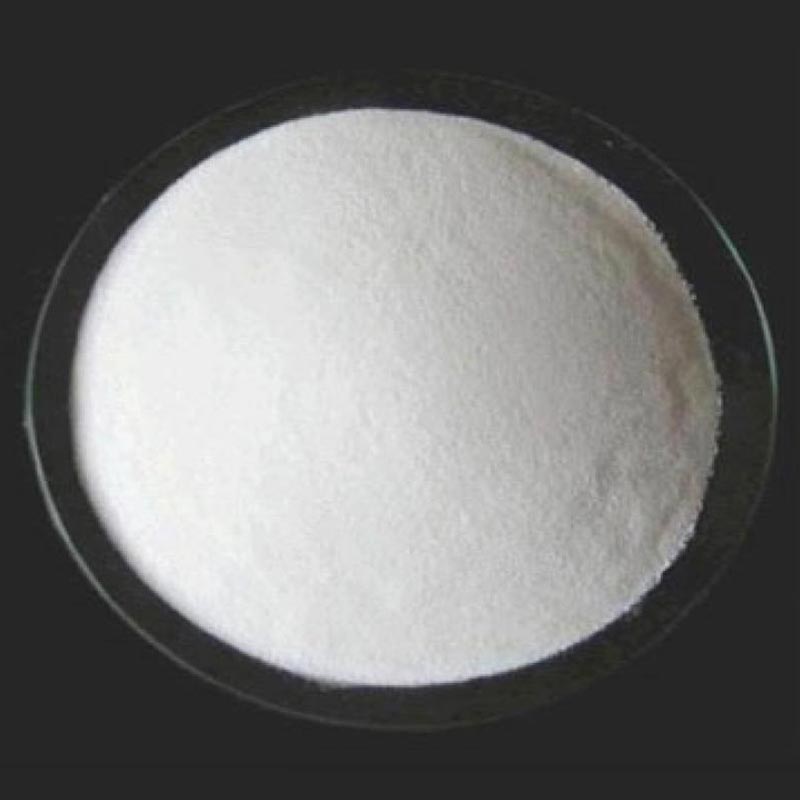
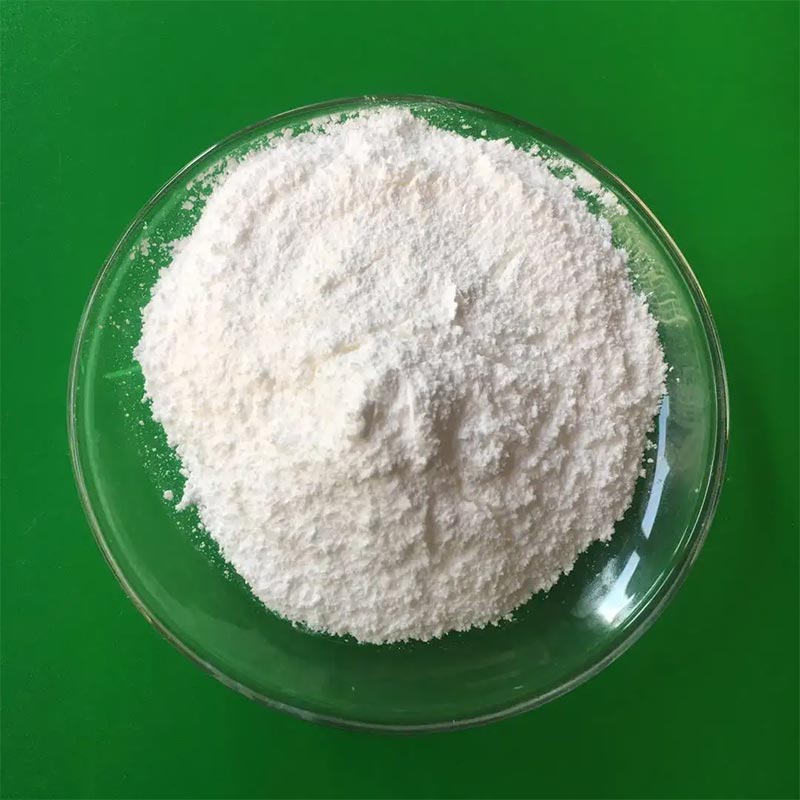
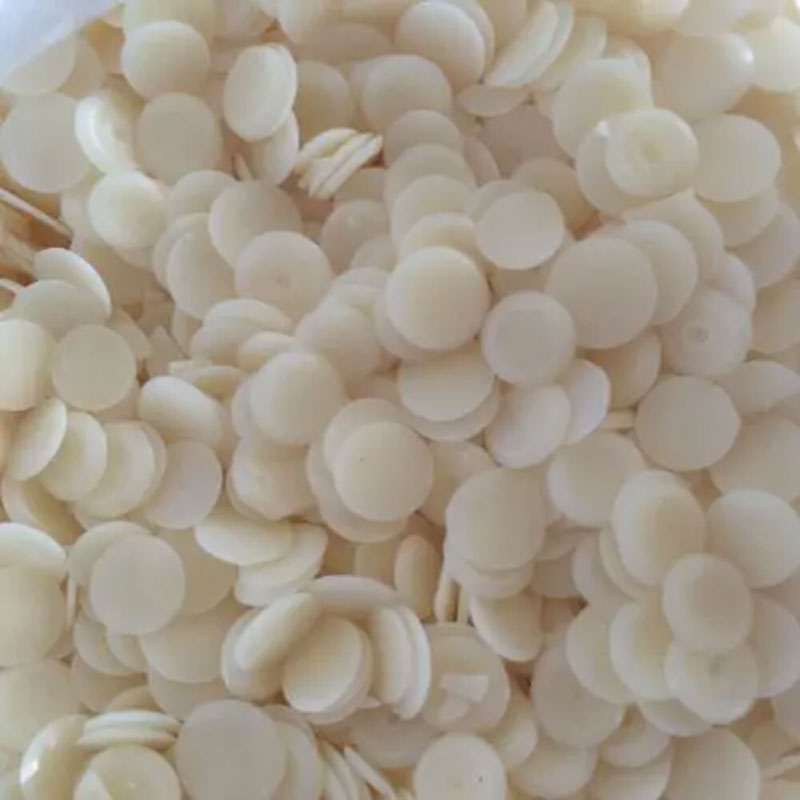
Sodium persulfate, a powerful oxidizing agent, is widely utilized across multiple industrial sectors due to its exceptional reactivity and stability. Chemically denoted as Na₂S₂O₈, this compound appears as a white crystalline powder, highly soluble in water, and is recognized for its strong oxidizing properties. Its widespread application ranges from polymerization initiators in the chemical industry to etching and cleaning agents in electronics and metal processing.

Sodium Persulfate

The central focus of this article is to explore the unique chemical properties of sodium persulfate, its industrial functionalities, and safety considerations, while providing practical insights for businesses and professionals who incorporate it into their operational processes.

Product Parameters of Sodium Persulfate:

Parameter Specification
Chemical Formula Na₂S₂O₈
Appearance White crystalline powder
Purity ≥ 98%
Molecular Weight 238.10 g/mol
Solubility Soluble in water (up to 150 g/L at 20°C)
Stability Stable under dry, cool storage conditions; decomposes at >120°C
Applications Polymerization initiator, etchant, oxidizer, water treatment, electronics cleaning

This structured data provides a clear reference for potential buyers and industrial users, highlighting both quality and applicability.

How Is Sodium Persulfate Applied in Industrial Polymerization?

Sodium persulfate serves as a highly efficient initiator in polymerization processes. By generating free radicals, it effectively initiates the polymerization of monomers such as styrene, acrylamide, and vinyl acetate, leading to the formation of high-molecular-weight polymers. Its ability to maintain consistent reaction rates makes it a preferred choice in large-scale industrial synthesis.

Mechanism of Action in Polymerization:
When dissolved in water, sodium persulfate decomposes to form sulfate radicals. These radicals attack the monomer double bonds, initiating a chain reaction that forms long polymer chains. The reaction efficiency depends on temperature, pH, and monomer concentration, with optimal conditions usually maintained between 40°C and 70°C for aqueous systems.

Benefits in Industrial Use:

  • Provides controlled initiation, reducing unwanted side reactions.

  • Enhances product uniformity, essential for high-quality polymer production.

  • Compatible with diverse monomer systems, allowing flexibility in formulation.

Common Question 1:
Q: How should sodium persulfate be handled to avoid decomposition during polymerization?
A: Sodium persulfate must be stored in a dry, cool environment, ideally below 25°C, and protected from moisture. During use, it should be freshly dissolved in water, and the reaction mixture should avoid excessive heat, which can lead to uncontrolled radical formation and premature decomposition.

Common Question 2:
Q: Can sodium persulfate initiate polymerization in non-aqueous systems?
A: While its primary application is in aqueous systems, sodium persulfate can be adapted for certain non-aqueous polymerizations using co-solvents or phase-transfer agents. However, reaction rates are slower, and careful optimization of temperature and solvent polarity is required to achieve consistent polymer growth.

How Does Sodium Persulfate Function in Etching and Surface Treatment?

Beyond polymerization, sodium persulfate is extensively used in electronics and metal industries for etching and cleaning purposes. Its oxidative strength allows it to remove metal oxides and surface impurities efficiently, enabling high-precision applications.

Applications in Electronics:

  • Printed circuit board (PCB) etching for copper layer patterning.

  • Cleaning oxidized metal surfaces prior to plating or soldering.

Applications in Metal Processing:

  • Pre-treatment of aluminum, stainless steel, and copper alloys.

  • Removal of residual contaminants to ensure bonding or coating adhesion.

Operational Considerations:

  • Concentration of the solution: Typically ranges from 10% to 30% w/v for etching applications.

  • Temperature: Optimal etching occurs between 40°C and 60°C.

  • Post-treatment: Surfaces must be thoroughly rinsed with deionized water to remove residual persulfate.

Common Question 3:
Q: How can sodium persulfate etching be made uniform across large metal surfaces?
A: Uniform etching requires consistent solution concentration, controlled agitation, and temperature stability. Automated circulation systems are often used in industrial setups to maintain homogeneous exposure, preventing localized over-etching or uneven metal removal.

Common Question 4:
Q: Is sodium persulfate environmentally safe for large-scale surface treatment?
A: Sodium persulfate is considered safer than traditional etching agents such as ferric chloride, but it remains a strong oxidizer. Waste solutions should be neutralized using reducing agents before disposal, and strict adherence to local environmental regulations is mandatory.

How Does Sodium Persulfate Support Water Treatment and Environmental Applications?

Sodium persulfate is increasingly recognized for its environmental applications, particularly in water treatment and soil remediation. Its oxidative capability allows the breakdown of persistent organic contaminants and pollutants.

Water Treatment Applications:

  • Oxidative degradation of phenols, dyes, and industrial wastewater components.

  • Disinfection and control of microbial growth in water systems.

Soil and Groundwater Remediation:

  • Activation of sodium persulfate generates sulfate radicals that degrade chlorinated hydrocarbons and other organic pollutants in contaminated sites.

  • Often used in combination with iron salts or heat activation to enhance degradation efficiency.

Advantages:

  • Highly effective against recalcitrant pollutants.

  • Can be applied in situ, reducing the need for excavation or extensive treatment infrastructure.

  • Produces fewer secondary pollutants compared to other chemical oxidizers.

Industrial and Environmental Trends:
With growing regulatory pressure on pollution control, sodium persulfate use in environmental remediation is expanding. Research focuses on improving activation methods, reducing chemical consumption, and integrating persulfate treatment with biological remediation techniques.

How Is Sodium Persulfate Market Evolving and What Are the Industry Considerations?

The global demand for sodium persulfate is driven by its versatility in industrial, chemical, and environmental applications. Emerging markets in Asia and North America are witnessing increased consumption due to rapid industrialization and stricter environmental standards.

Market Trends:

  • Growing adoption in advanced polymer systems for electronics and medical materials.

  • Expansion in wastewater treatment technologies using oxidative approaches.

  • Development of stabilized formulations to improve storage life and handling safety.

Safety and Handling Protocols:
Given its strong oxidizing nature, sodium persulfate requires strict storage, transport, and operational precautions. Facilities must implement personal protective equipment (PPE) standards, secure storage in cool and dry conditions, and clear labeling to prevent accidental exposure.

Industrial Best Practices:

  • Keep storage areas free from combustible materials.

  • Avoid contamination with reducing agents or organic matter.

  • Train personnel on emergency response procedures for spills or exposure.

Conclusion and Brand Mention:
Sodium persulfate remains a critical chemical for diverse industrial processes, combining high reactivity with versatile applications. Companies seeking reliable supply and technical support can turn to HANGZHOU TONGGE ENERGY TECHNOLOGY CO., LTD, a trusted provider with extensive experience in high-purity sodium persulfate. Their commitment to quality and safety ensures consistent product performance across industrial and environmental applications. For inquiries, product details, and personalized support, contact us to explore solutions tailored to specific operational needs.

Related News
Leave me a message
X
We use cookies to offer you a better browsing experience, analyze site traffic and personalize content. By using this site, you agree to our use of cookies. Privacy Policy
Reject Accept