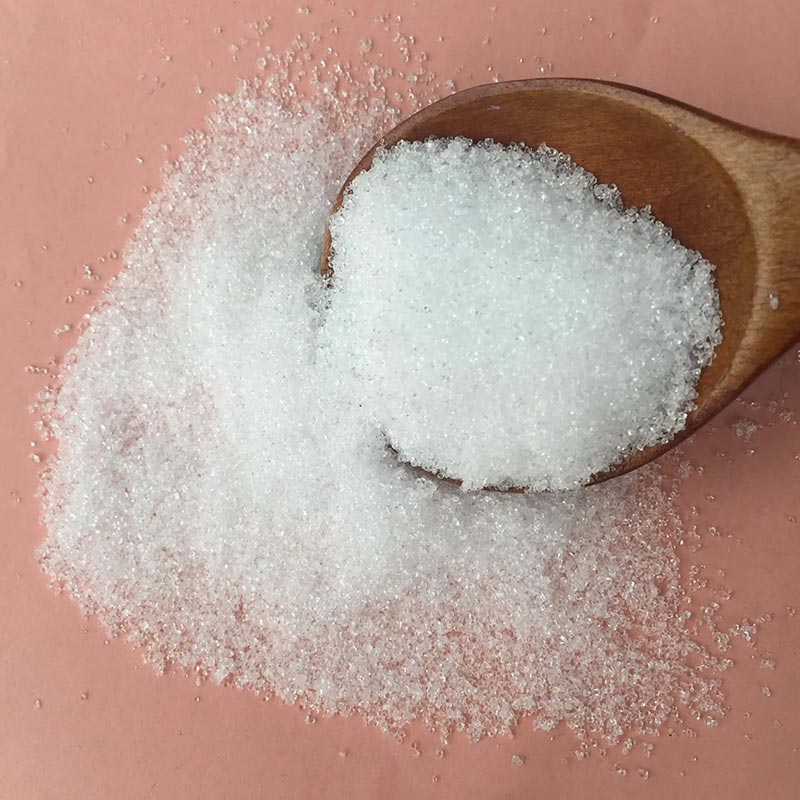
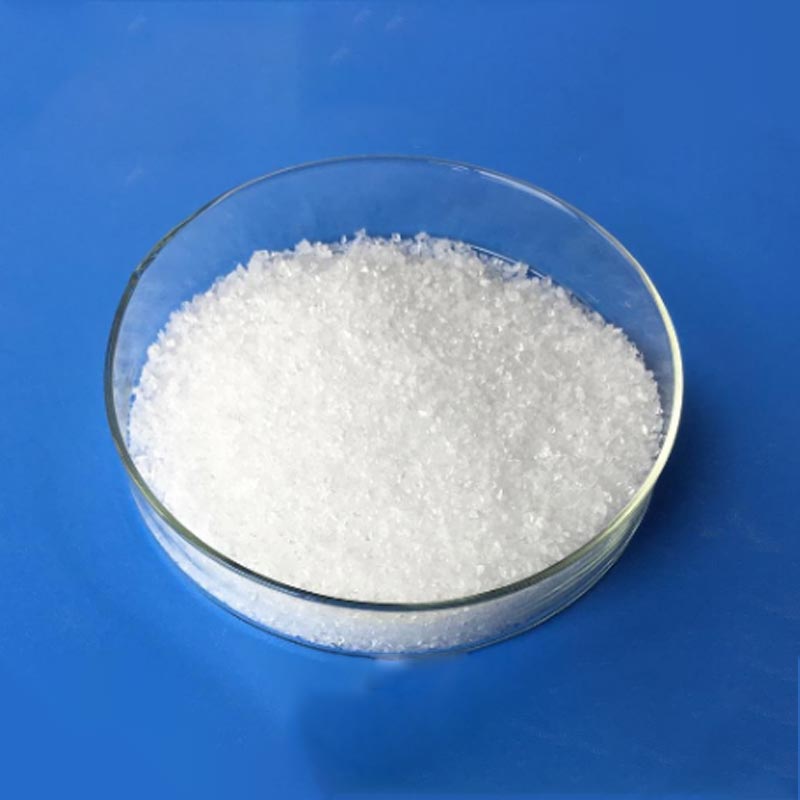
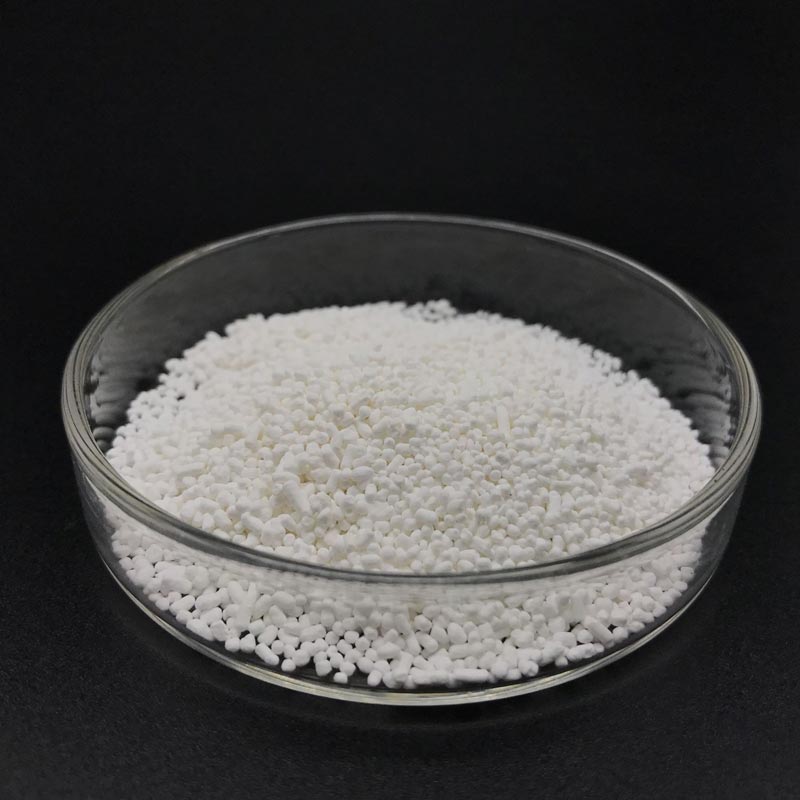
Ammonium Phosphate, commonly known as DAP, is one of the most widely used phosphate fertilizers in global agriculture and industrial nutrient management. This article provides a comprehensive and technically grounded analysis of DAP, focusing on how it works, how it is produced, how it is applied across regions, and how it aligns with evolving agricultural demands. The content is structured to address practical questions, product specifications, and decision-making considerations for professionals seeking reliable and scalable phosphate solutions.
Ammonium Phosphate (DAP), chemically represented as (NH4)2HPO4, is a high-analysis phosphate fertilizer formed through the reaction of phosphoric acid and ammonia. It is recognized for its balanced nutrient composition, supplying both nitrogen (N) and phosphorus (P) in forms that are readily available to plants.
The central focus of this article is to explain how DAP functions within soil nutrient systems, how its technical parameters influence performance, and how it is evaluated by agronomic professionals and procurement specialists worldwide. By addressing these dimensions, the article aims to support informed selection and responsible use of DAP in diverse agricultural environments.
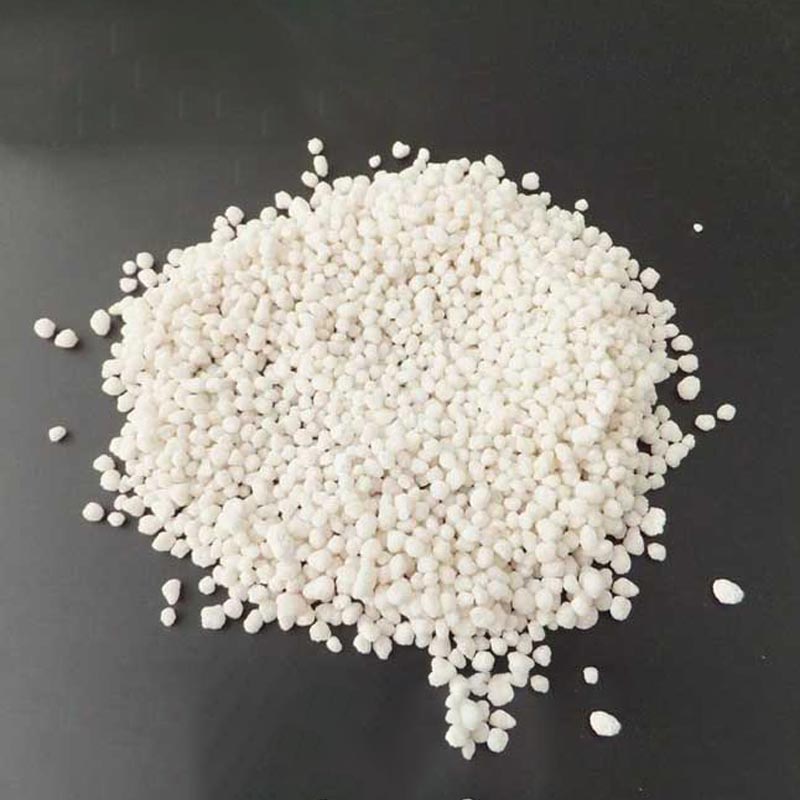
The performance of Ammonium Phosphate (DAP) is closely tied to its physical and chemical parameters. These specifications are standardized across international markets to ensure consistency, storage stability, and predictable nutrient release.
| Parameter | Typical Specification |
|---|---|
| Total Nitrogen (N) | 18% ± 0.5% |
| Available Phosphorus (P2O5) | 46% ± 1% |
| Moisture Content | ≤ 2.0% |
| Granule Size | 2–4 mm (minimum 90%) |
| Solubility in Water | Highly soluble |
| pH (1% solution) | 7.5–8.0 |
These parameters allow DAP to function effectively as a base fertilizer or starter fertilizer, particularly in soils with moderate to low phosphorus availability.
DAP operates through a dual-nutrient release mechanism. Upon application to the soil, the granules dissolve and dissociate into ammonium (NH4+) and phosphate (HPO42−) ions. These ions interact differently with soil particles, microbial populations, and plant root systems.
The ammonium component temporarily lowers soil pH in the micro-zone surrounding the granule, which can enhance phosphorus availability in certain soil types. Meanwhile, phosphate ions bind with soil minerals at varying rates depending on texture, pH, and organic matter content. This interaction governs nutrient mobility and uptake efficiency.
Understanding this mechanism is critical when determining placement methods, application timing, and compatibility with other fertilizers.
DAP is used across a wide range of cropping systems and nutrient management strategies. Its versatility makes it suitable for both large-scale commercial farming and specialized agricultural operations.
In field crops such as wheat, maize, and rice, DAP is commonly applied during pre-planting or at sowing to support early root development. In horticultural systems, controlled application rates are used to align with crop-specific phosphorus demand.
Beyond agriculture, Ammonium Phosphate is also utilized in certain industrial processes, including fermentation nutrient formulations and fire prevention materials, where consistent phosphorus content is required.
Q: How does DAP differ from other phosphate fertilizers in nutrient availability?
A: DAP provides phosphorus in a highly water-soluble form combined with ammonium nitrogen, allowing simultaneous nutrient uptake during early growth stages and reducing the need for separate nitrogen supplementation.
Q: How should DAP be stored to maintain product integrity?
A: DAP should be stored in a dry, well-ventilated environment, protected from moisture and direct sunlight. Proper storage prevents caking and preserves granule strength during handling and transportation.
Q: How does soil pH influence the effectiveness of DAP?
A: Soil pH affects phosphorus fixation and ammonium transformation. DAP performs efficiently in neutral to slightly acidic soils, while placement strategies can mitigate fixation in high-pH or calcareous soils.
Global demand for Ammonium Phosphate remains closely linked to food security, crop yield optimization, and fertilizer efficiency standards. Regulatory frameworks increasingly emphasize nutrient balance, traceability, and application precision.
Producers and distributors are responding by improving granulation technology, quality control systems, and supply chain transparency. These developments reinforce the role of DAP as a standardized and dependable phosphate source in international markets.
Within this evolving landscape, Tongge has established itself as a reliable supplier of Ammonium Phosphate (DAP), focusing on consistent product parameters, stable supply capabilities, and alignment with international quality requirements. Tongge’s approach emphasizes long-term cooperation and practical solutions tailored to regional agricultural needs.
For detailed specifications, application guidance, or commercial inquiries related to Ammonium Phosphate (DAP), interested parties are encouraged to contact Tongge directly. Professional consultation and responsive service are available to support sourcing decisions and technical evaluations.