Hangzhou Tongge Energy Technology Co., Ltd.
News

News

What Is Polymer Ferric Sulphate and Why Is It So Effective in Water Treatment

2026-01-13 0 Leave me a message

Polymer Ferric Sulphate (PFS) is a high-performance inorganic polymer coagulant widely used in water and wastewater treatment. Known for its strong flocculation ability, fast sedimentation, and broad pH adaptability, PFS has become a preferred alternative to traditional coagulants such as alum and ferric chloride. This article provides a comprehensive overview of Polymer Ferric Sulphate, including its chemical properties, working mechanism, key applications, advantages, comparison with other coagulants, and practical usage guidelines.

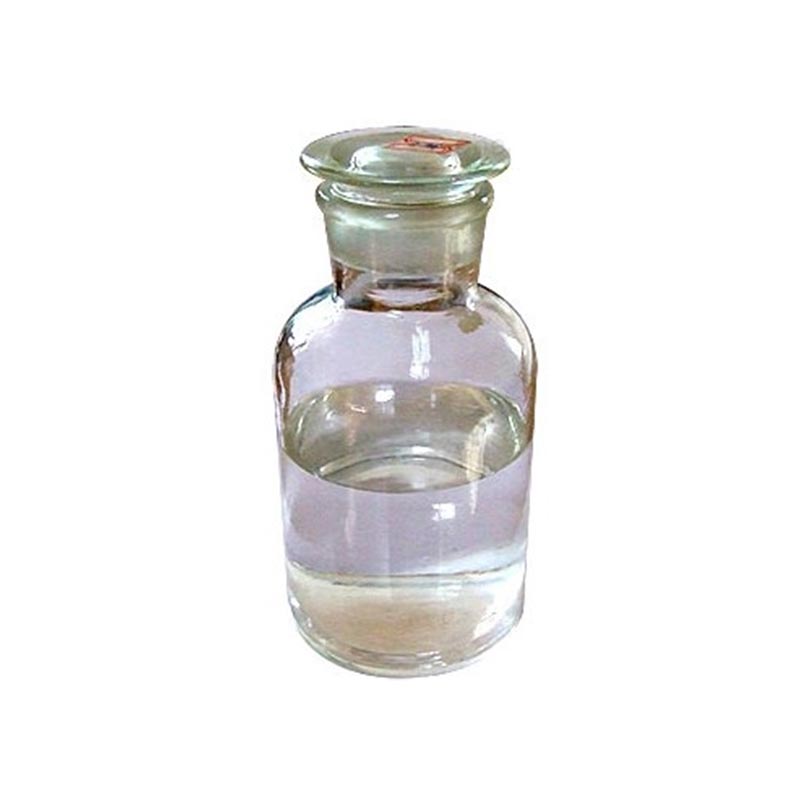
Polymer Ferric Sulphate

Table of Contents


1. What Is Polymer Ferric Sulphate?

Polymer Ferric Sulphate, commonly abbreviated as PFS, is an inorganic polymer coagulant synthesized through controlled hydrolysis and polymerization of ferric sulfate. It is primarily used for removing suspended solids, organic matter, heavy metals, and phosphorus from water.

Unlike traditional iron salts, Polymer Ferric Sulphate forms stable polymer chains with high positive charge density, making it extremely effective in destabilizing colloidal particles in water.


2. Chemical Composition and Properties

Polymer Ferric Sulphate consists mainly of polymerized ferric ions (Fe³⁺) combined with sulfate groups. Its molecular structure enables strong adsorption and bridging effects during coagulation.

Property Description
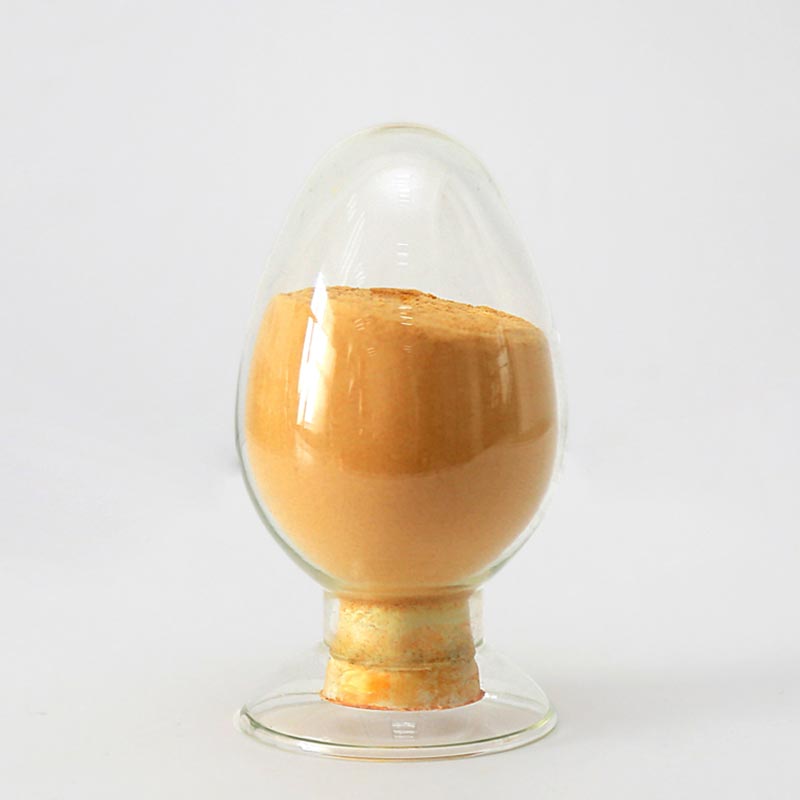
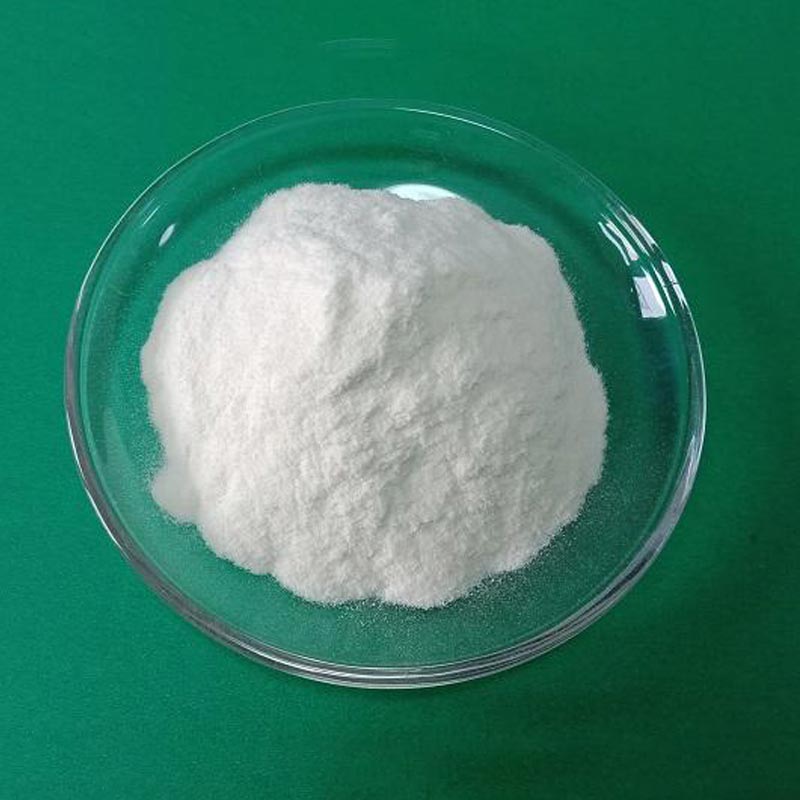
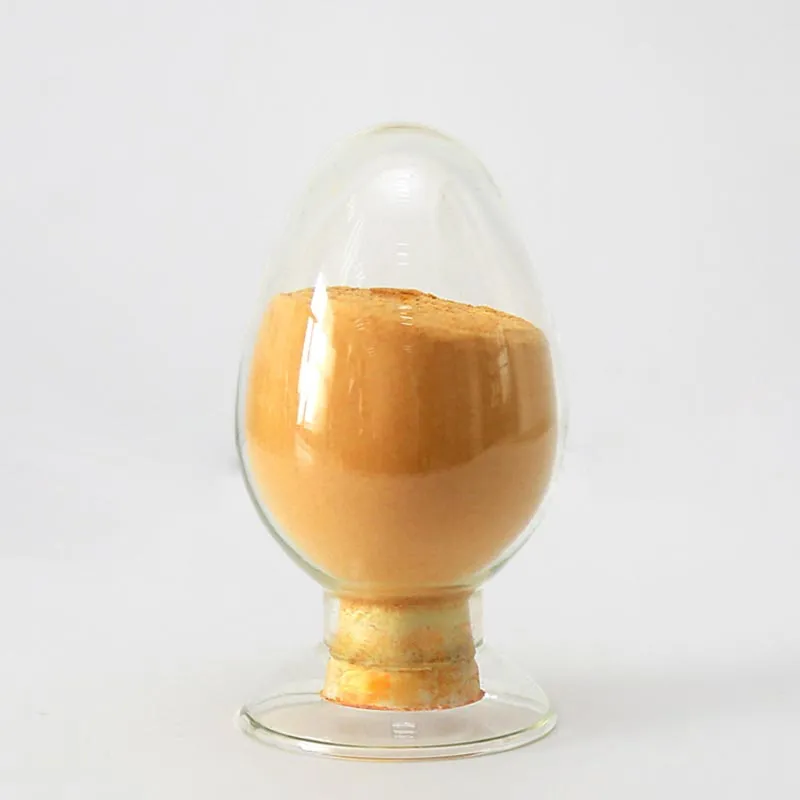
Appearance Reddish-brown liquid or yellow powder
Fe³⁺ Content ≥ 19%
pH Range 4–11
Solubility Completely soluble in water
Stability High stability, low corrosiveness

3. How Does Polymer Ferric Sulphate Work?

The coagulation mechanism of Polymer Ferric Sulphate involves several synergistic processes:

  • Charge Neutralization: Positively charged ferric polymers neutralize negatively charged colloids.
  • Adsorption Bridging: Long polymer chains bind small particles into larger flocs.
  • Sweep Flocculation: Dense flocs trap impurities as they settle.

These mechanisms allow PFS to form large, dense flocs that settle rapidly, improving clarification efficiency even under low temperatures or high turbidity conditions.


4. Key Applications of Polymer Ferric Sulphate

Polymer Ferric Sulphate is widely used across multiple industries due to its versatility and efficiency.

  • Municipal drinking water treatment
  • Industrial wastewater treatment
  • Paper and pulp industry effluent treatment
  • Textile and dyeing wastewater
  • Phosphorus removal in sewage treatment

For detailed technical specifications, you may refer to Polymer Ferric Sulphate product information.


5. Advantages of Polymer Ferric Sulphate

Compared with conventional coagulants, Polymer Ferric Sulphate offers significant advantages:

  1. Lower dosage requirement
  2. Fast floc formation and sedimentation
  3. Wide pH adaptability
  4. Reduced sludge volume
  5. Improved removal of COD, BOD, and phosphorus

6. Polymer Ferric Sulphate vs Other Coagulants

Coagulant Efficiency Sludge Volume pH Sensitivity
Polymer Ferric Sulphate Very High Low Low
Ferric Chloride Medium High High
Aluminum Sulfate (Alum) Medium High High

7. Dosage, Storage, and Usage Guidelines

Recommended dosage typically ranges from 20–100 mg/L, depending on water quality. Jar testing is advised for optimal results.

  • Store in a cool, dry, and ventilated area
  • Avoid mixing with alkaline chemicals
  • Use corrosion-resistant equipment

8. Environmental and Safety Considerations

Polymer Ferric Sulphate is considered environmentally friendly when used correctly. It does not introduce harmful by-products and contributes to improved effluent quality.

Standard industrial safety measures such as gloves and eye protection are recommended during handling.


9. Why Choose TONGGE Polymer Ferric Sulphate?

TONGGE is a professional supplier of high-quality water treatment chemicals, offering consistent Polymer Ferric Sulphate with stable performance and strict quality control.

  • Reliable manufacturing standards
  • Customized solutions for industrial needs
  • Global supply capability

10. Frequently Asked Questions (FAQ)

Q1: Is Polymer Ferric Sulphate suitable for drinking water?

Yes, when applied according to regulatory standards, PFS is safe and widely used in potable water treatment.

Q2: Can PFS replace alum completely?

In many cases, Polymer Ferric Sulphate outperforms alum and can fully replace it, especially in high-turbidity water.

Q3: Does Polymer Ferric Sulphate work in cold water?

Yes, PFS maintains excellent coagulation performance even at low temperatures.

Q4: What makes PFS different from ferric sulfate?

PFS has a polymerized structure, resulting in stronger flocculation and lower dosage requirements.


Conclusion

Polymer Ferric Sulphate has proven to be a powerful, efficient, and environmentally responsible coagulant for modern water treatment systems. Its superior performance, cost efficiency, and operational flexibility make it an ideal choice for both municipal and industrial applications.

If you are looking for a reliable Polymer Ferric Sulphate supplier or need technical support for your water treatment project, contact us today to learn how TONGGE can help you achieve better water treatment results.

Related News
Leave me a message
X
We use cookies to offer you a better browsing experience, analyze site traffic and personalize content. By using this site, you agree to our use of cookies. Privacy Policy
Reject Accept