Polymer Ferric Sulphate (PFS) is widely recognized as a high-performance inorganic polymer coagulant used across municipal, industrial, and environmental water treatment systems. Known for its strong coagulation capacity, rapid floc formation, low sludge production, and broad pH adaptability, this material has become an essential component in modern purification workflows.
Polymer Ferric Sulphate operates by hydrolyzing in water to form polymeric ferric ions that effectively neutralize negative charges on suspended particles. This neutralization accelerates coagulation, enabling the formation of dense and rapidly settling flocs. Compared with traditional ferric salts, PFS delivers stronger bridging ability, improved turbidity removal, and higher stability even in variable pH environments.
| Parameter | Specification | Description |
|---|---|---|
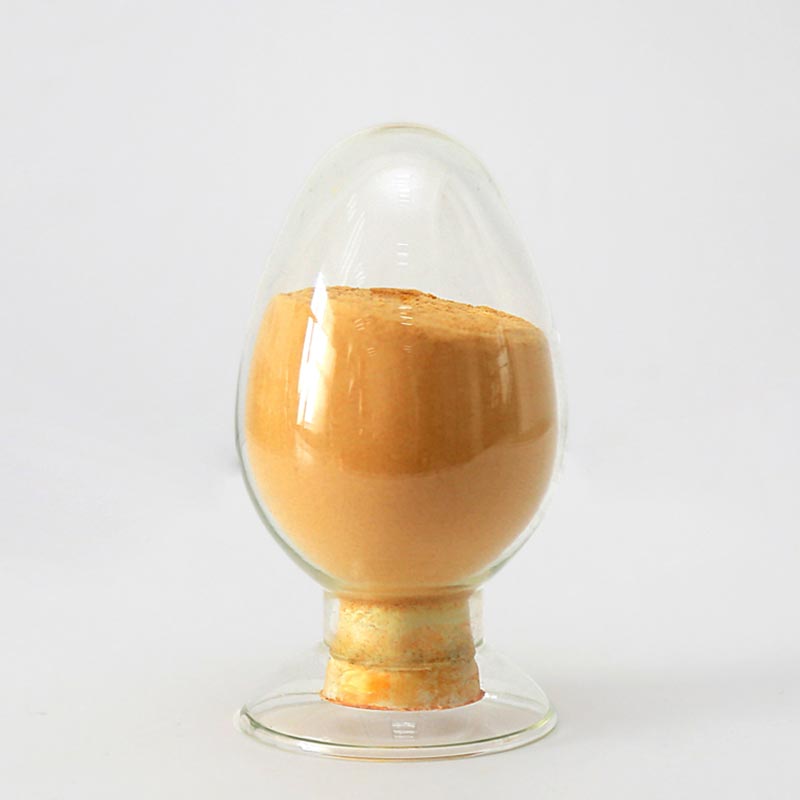
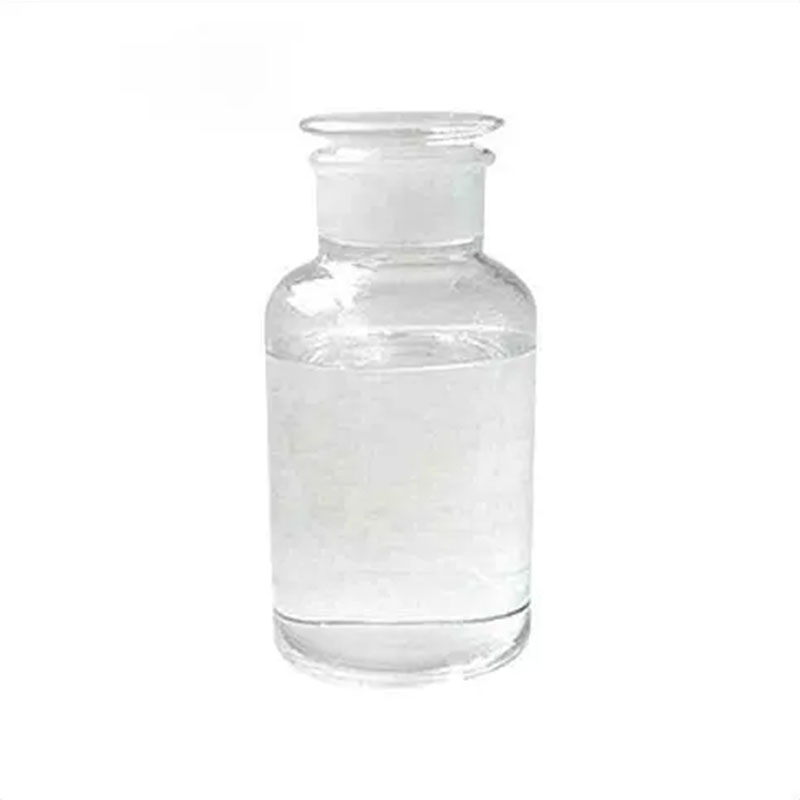
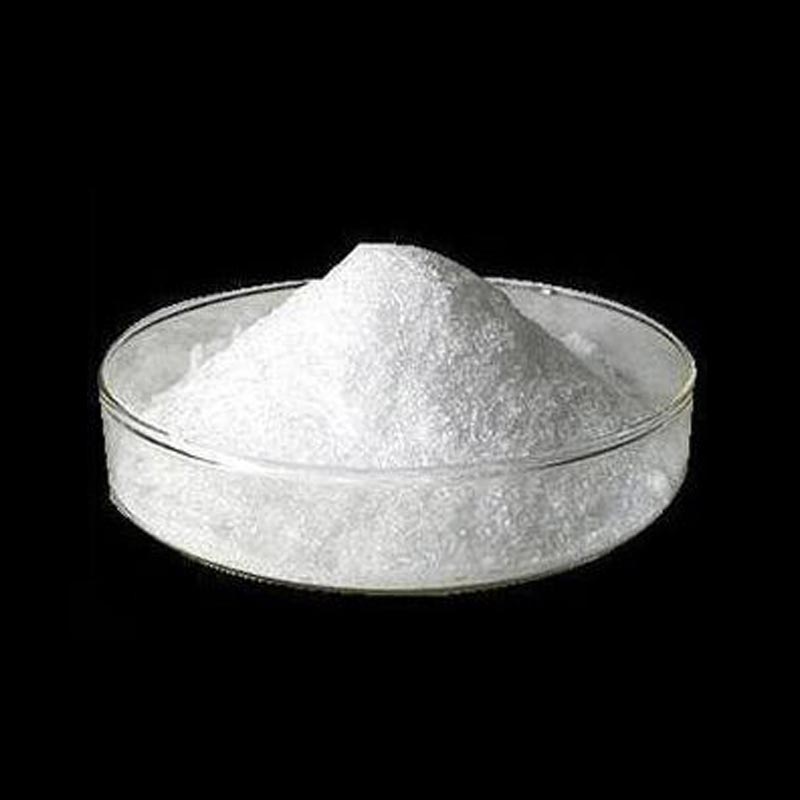
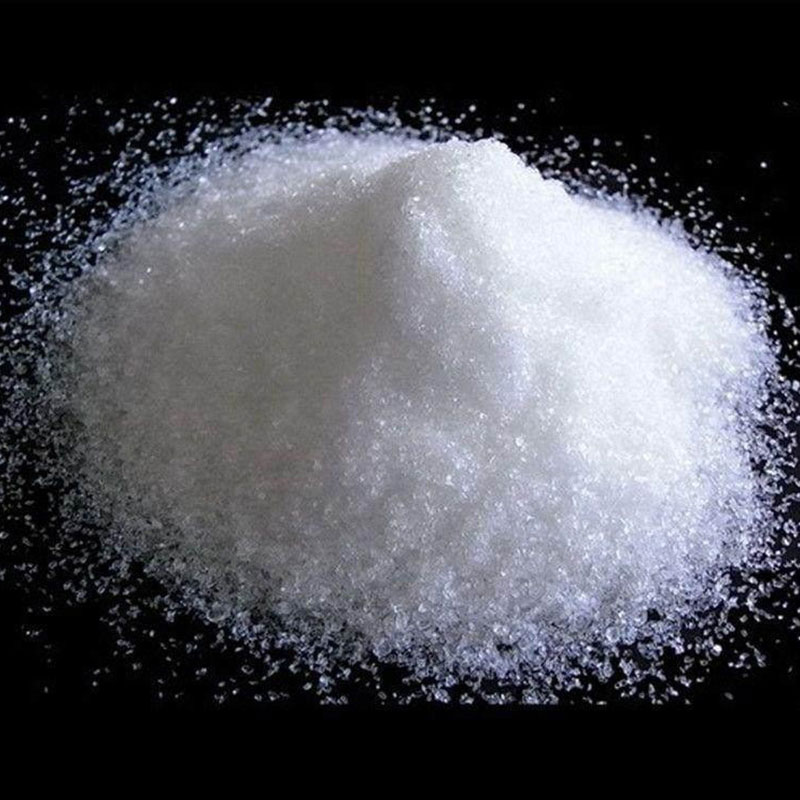
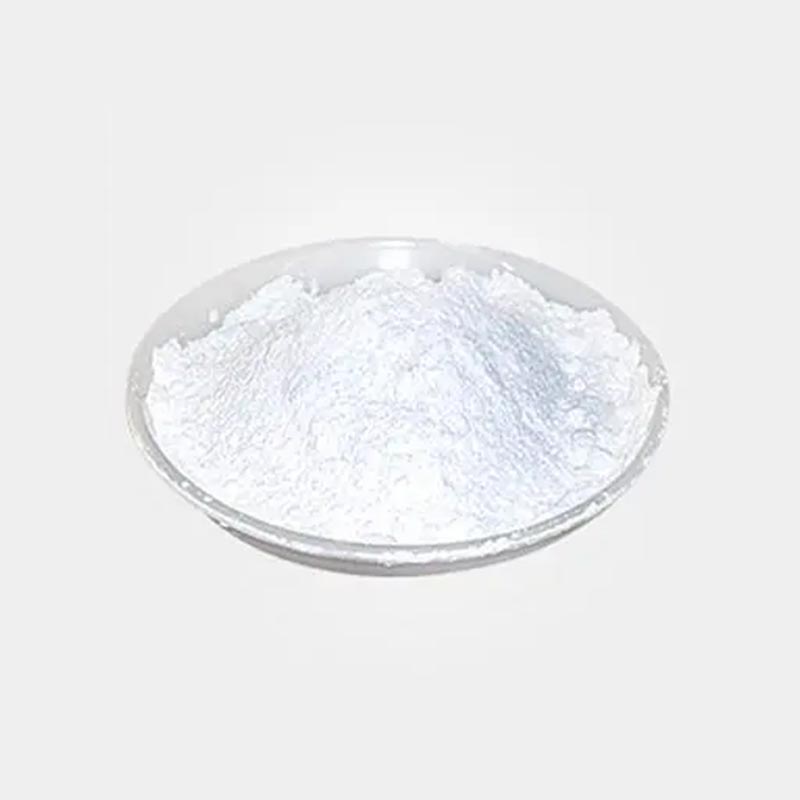
| Appearance | Yellow/Brown Liquid or Solid | Indicates high purity and stability |
| Fe³⁺ Content | ≥ 11% (liquid), ≥ 21% (solid) | Ensures strong coagulation capacity |
| Basicity | 8% – 25% | Determines hydrolysis efficiency |
| pH (1% Solution) | 2.0 – 3.0 | Suitable for wide treatment applications |
| Density (Liquid) | 1.30 – 1.50 g/cm³ | Ensures stable concentration levels |
| Insoluble Matter | ≤ 1.0% | Reflects product cleanliness and performance |
| Shelf Life | 12 months | Storable and transport-friendly |
These parameters highlight the product’s stability, consistency, and suitability for demanding industrial applications. They also support decision-making for engineers managing wastewater, drinking water, and sludge treatment systems.
High Purification Efficiency – Achieves rapid coagulation with excellent turbidity reduction.
Lower Sludge Output – Reduces treatment volumes, decreasing disposal costs.
Wide pH Adaptability – Performs well between pH 4–11, suitable for complex wastewater.
Superior Decolorization – Effective for dye wastewater, printing and dyeing effluents, and papermaking industries.
Faster Sedimentation – Larger and denser flocs improve sedimentation and filtration speeds.
Safety and Stability – Non-toxic and compliant with water purification standards.
These characteristics explain why industries increasingly prefer PFS over alternatives such as PAC, ferric chloride, and alum.
To evaluate the real-world significance of PFS, it is essential to compare its performance with conventional coagulants that have historically dominated water treatment. This comparison reveals clear functional advantages.
Lower Corrosion: PFS solutions are less corrosive, extending equipment lifespan.
Lower Dosage Requirements: Higher polymerization results in reduced chemical consumption.
Better Floc Strength: Larger flocs allow easier separation and filtration.
No Residual Aluminum Risk: Aluminum-based coagulants may introduce concerns for drinking water; PFS avoids this entirely.
Superior Cold-Water Performance: PFS maintains stable efficacy in low-temperature environments.
Reduced Sludge Formation: Alum typically generates more sludge during treatment.
Stronger Charge Neutralization: PFS has higher Fe³⁺ concentration, enhancing coagulation.
Better for High-Turbidity Water: Performs well in challenging industrial effluents.
Stable Across Hard Water Conditions: Less influence from multivalent ions.
Through these comparisons, the performance of PFS becomes more evident, illustrating why water treatment engineers increasingly rely on it for large-scale and precision-required systems.
Advanced water purification is continuously shaped by global sustainability goals, stricter discharge regulations, and increasing scarcity of clean water resources. Polymer Ferric Sulphate is well-positioned to expand its market share due to multiple emerging trends.
Countries are strengthening biological oxygen demand (BOD), chemical oxygen demand (COD), and phosphorus discharge standards. PFS naturally supports these requirements by enhancing removal efficiency, making it a preferred choice for environmentally compliant treatment.
Industries are moving toward cleaner production and lower waste outputs. PFS contributes by generating significantly less sludge, reducing transportation and disposal burdens.
Petroleum and petrochemical wastewater
Textile and dye effluents
Papermaking and pulp industry
Metallurgical wastewater
Mining operations
Municipal sewage and drinking water treatment
These industries require high-performance coagulants capable of removing color, turbidity, heavy metals, and organic compounds. PFS aligns perfectly with these requirements.
As automation and AI-assisted dosing control systems expand (without referencing any AI interaction in writing), PFS’s stable characteristics allow easier calibration and predictable performance.
Future manufacturing will likely produce higher-basicity solid PFS, improving storage convenience and reducing shipping costs. This trend will support global distribution and promote long-term industry adoption.
Together, these trends indicate that Polymer Ferric Sulphate will remain a core product in the evolution of global water treatment technologies.
Selecting the right PFS requires understanding system characteristics, water quality variation, and dosing techniques.
Target Water Quality: Turbidity, organic load, color, industrial composition.
Required Coagulation Speed: Faster systems need higher basicity PFS.
Process Design: Whether applied in sedimentation, flotation, filtration, or sludge dewatering.
Cost Efficiency: Evaluate dosage vs. removal efficiency across different suppliers.
Storage Environment: Solid PFS recommended for remote or temperature-sensitive locations.
Dilute PFS to 10–20% solution for optimal distribution.
Use rapid mixing followed by slow flocculation.
Adjust dosage according to jar test results.
For industrial wastewater, combine PFS with polymer flocculants for enhanced results.
Correct application ensures high efficiency and consistent outcomes across diverse systems.
Q1: How much Polymer Ferric Sulphate is typically required for wastewater treatment?
A1: The recommended dosage varies widely based on turbidity, organic concentration, and wastewater type. For municipal water, 10–50 mg/L is common, while industrial wastewater may require 50–300 mg/L. Jar testing is essential for identifying the most effective and economical dosage level, ensuring optimal turbidity reduction and stability.
Q2: Can Polymer Ferric Sulphate remove heavy metals or complex organic pollutants?
A2: Yes. PFS exhibits strong charge neutralization and adsorption capabilities, allowing it to bind with heavy metal ions such as chromium, cadmium, or lead. Additionally, its polymeric ferric structure effectively captures colloids, dyes, and complex organic molecules. This makes it suitable for industries such as electroplating, mining, and textile dyeing that require both decolorization and heavy-metal removal.
Polymer Ferric Sulphate stands out as a powerful and adaptable coagulant capable of meeting modern environmental and industrial requirements. Its advantages—superior floc formation, wide pH tolerance, strong decolorization ability, low sludge output, and cost-effective performance—make it indispensable in municipal, industrial, and sustainability-focused water treatment systems worldwide. As regulations tighten and industries transition toward cleaner production, the role of PFS will continue to expand, supported by advancements in formulation and process integration.
For businesses seeking reliable, high-quality Polymer Ferric Sulphate, HANGZHOU TONGGE ENERGY TECHNOLOGY CO., LTD offers professionally engineered solutions designed for long-term performance and global supply needs. To explore customized product specifications or discuss application requirements, contact us for further assistance.