Hangzhou Tongge Energy Technology Co., Ltd.
News

News

How Can Pigment and Coating Help Manufacturers Keep Color Consistent and Production Safer?

2026-05-07 0 Leave me a message

Article Summary: Choosing the right Pigment and Coating solution is not only about color. It affects batch stability, surface appearance, weather resistance, production efficiency, storage performance, and customer confidence. This article explains how buyers can evaluate pigment and coating materials more carefully, avoid common sourcing problems, and build a more reliable color system for paints, plastics, inks, construction materials, decorative products, and industrial applications. It also introduces how Hangzhou Tongge Energy Technology Co., Ltd. supports buyers who need practical, stable, and application-focused chemical material solutions.

Article Outline

  • Explain why color difference, fading, poor dispersion, and unstable batches create cost pressure.
  • Clarify the practical role of Pigment and Coating in industrial production.
  • Compare key selection factors such as covering power, dispersion, compatibility, durability, and storage stability.
  • Provide a simple comparison table for different buyer priorities.
  • Offer supplier evaluation points for procurement teams, brand owners, factories, and distributors.
  • Answer common buyer questions in a clear FAQ section.

Why Does Color Consistency Become a Real Production Problem?

Pigment and Coating

In many factories, color problems do not appear as one dramatic failure. They show up quietly, batch by batch. A paint looks slightly duller than the approved sample. A plastic part turns out uneven after molding. A printed surface loses brightness after storage. A decorative coating passes the first inspection but disappoints the final customer after exposure to sunlight, moisture, or friction.

That is why Pigment and Coating selection deserves more attention than many buyers first expect. Color is emotional for the end user, but it is technical for the manufacturer. Behind a stable shade are particle size, dispersion behavior, chemical compatibility, hiding power, heat resistance, weather resistance, and the way the material reacts inside a specific production system.

For purchasing teams, the pain is even more practical. A low-price material may look attractive at the quotation stage, but if it causes rework, customer complaints, delayed delivery, or unstable finished goods, the real cost becomes much higher. Color difference can waste raw materials. Poor covering power can increase dosage. Weak durability can damage brand reputation. Bad dispersion can slow production and create visible defects.

A reliable Pigment and Coating solution helps manufacturers protect three things at the same time: product appearance, production rhythm, and customer trust.


What Should Buyers Understand Before Choosing Pigment and Coating?

Before comparing suppliers, buyers should first understand what role the material needs to play. A pigment gives color, but in real production it often needs to do more than simply make a product red, blue, yellow, black, white, metallic, fluorescent, or decorative. It must work inside a formulation, survive processing conditions, and remain stable during the product’s service life.

In general, Pigment and Coating products may be used across paints, inks, plastics, rubber, synthetic fibers, paper, ceramics, glass, construction materials, textiles, and decorative surfaces. Different industries care about different risks. A plastic factory may care about heat stability and dispersion during processing. A coating producer may care more about hiding power, gloss, weather resistance, and compatibility with resin systems. An ink manufacturer may focus on color strength, fineness, and smooth printing performance.

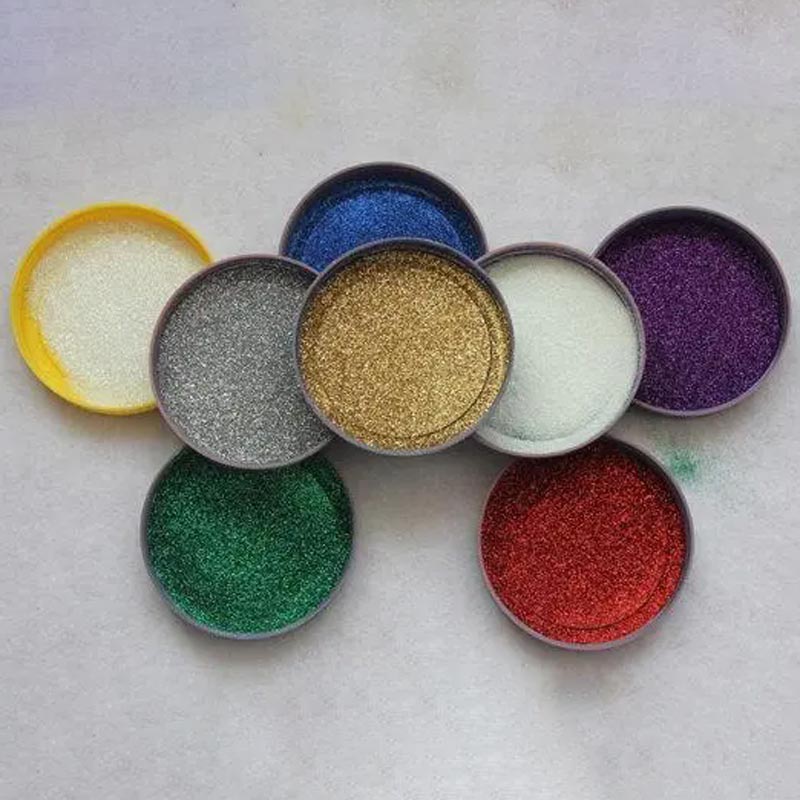
Organic and inorganic pigment systems can also behave differently. Inorganic pigments are often valued for durability, heat resistance, and opacity. Organic pigments are often chosen for strong color brightness, clean shades, and high tinting strength. Metallic, pearlescent, fluorescent, phosphorescent, and special-effect materials may be selected when visual impact is part of the product value.

The right choice depends less on a beautiful product name and more on the buyer’s application. A responsible supplier should ask where the material will be used, what processing method is involved, what resin or binder system is present, what weather or chemical exposure is expected, and what standard sample the buyer needs to match.

Practical reminder: A pigment that performs well in one system may not automatically perform well in another. Buyers should avoid judging Pigment and Coating only by color card, photo, or price. Real application testing is still the safest path.


Which Performance Factors Matter Most in Real Applications?

When a factory says, “We need stable color,” it may actually mean several things at once. The material must disperse easily, match the target shade, cover the base material, resist fading, stay stable in storage, and remain compatible with the production process. These requirements are connected, but they are not identical.

Color strength affects how much material is needed to reach the target shade. Stronger tinting power can help reduce dosage, but it must be balanced with dispersion and cost.

Covering power matters when the base material needs to be hidden. In paints, coatings, plastics, and construction materials, poor hiding power may force the user to add more pigment or apply thicker layers.

Dispersion performance decides whether the color appears smooth and even. Poor dispersion can create specks, streaks, floating color, uneven gloss, or unstable shade between batches.

Light resistance and weather resistance become important when finished products face sunlight, outdoor exposure, moisture, or temperature changes. A bright shade that fades too quickly can create serious after-sales problems.

Heat resistance is especially important for plastics, rubber, fibers, ceramics, and high-temperature processing. A pigment that changes shade under heat may fail even if it looks perfect at room temperature.

Chemical resistance matters when the finished product may contact acids, alkalis, solvents, cleaning agents, oils, or industrial environments.

Storage stability helps buyers maintain predictable performance after transportation and warehousing. Caking, moisture sensitivity, poor flow, or separation can disrupt production planning.

Hangzhou Tongge Energy Technology Co., Ltd. serves buyers who need chemical materials with practical application value, including Pigment and Coating related products for multiple industrial uses. For many customers, the main goal is not to chase the most expensive material, but to find the product that fits their formula, process, market, and quality expectation.


How Can Different Pigment and Coating Options Be Compared?

A clear comparison method helps buyers avoid vague decisions. Instead of asking only “Which product is cheaper?”, procurement teams can compare materials based on the real risk they want to control.

Buyer Priority What to Check Why It Matters Typical Application Concern
Stable shade Batch consistency, color strength, standard sample matching Reduces complaints caused by visible color difference Paints, plastics, inks, decorative materials
Better coverage Opacity, particle distribution, hiding power Helps reduce excessive dosage or repeated coating layers Industrial coatings, construction coatings, plastic parts
Outdoor durability Light fastness, weather resistance, moisture resistance Prevents fading, chalking, or surface deterioration Exterior coatings, outdoor plastics, signage, building products
Processing safety Heat stability, compatibility, dispersion behavior Keeps production smoother and reduces defective output Plastic molding, rubber processing, fiber production
Special visual effect Brightness, sparkle, afterglow, metallic effect, transparency Adds product differentiation and improves shelf appeal Crafts, cosmetics packaging, decorative coatings, creative products
Long-term procurement control Supplier response, technical support, packaging, delivery stability Reduces hidden cost beyond unit price Distributors, factories, private-label buyers, project buyers

This kind of comparison makes the purchase more realistic. A buyer producing outdoor coatings should not use the same evaluation logic as a buyer sourcing decorative glitter. A buyer making plastic masterbatch should care deeply about processing temperature and dispersion. A buyer working with ink should pay more attention to fineness, color strength, and printing smoothness.

The more specific the application, the easier it becomes to choose the right Pigment and Coating material.


What Pain Points Can a Better Pigment and Coating Choice Solve?

Many customers start looking for a new supplier only after a problem has already happened. The shade is unstable. The coating film looks rough. The finished product fades too quickly. The pigment does not disperse well. The previous supplier cannot explain the difference between batches. The buyer receives a low price but later pays for rework, delay, and customer compensation.

A better Pigment and Coating choice can help reduce these common pain points:

  • Color mismatch: More stable materials and clearer sample communication help reduce visual differences between approved samples and mass production.
  • High material waste: Better tinting strength and coverage can help buyers avoid unnecessary overuse.
  • Poor surface appearance: Suitable dispersion performance helps reduce specks, streaks, floating color, and uneven coating effects.
  • Fading complaints: More suitable light resistance and weather resistance help protect finished products in demanding environments.
  • Production delays: Consistent material behavior makes it easier for factories to maintain a stable production rhythm.
  • Unclear supplier support: A professional supplier can help buyers discuss application, packaging, delivery, and selection details before problems grow.

For buyers, a smart purchase does not always mean selecting the strongest pigment on paper. It means selecting the pigment or coating material that fits the real use case. Some products need strong hiding power. Some need bright color. Some need outdoor durability. Some need special effects. Some simply need stable performance, honest communication, and reliable supply.

This is where technical conversation matters. A supplier who understands application requirements can help buyers narrow choices faster and avoid trial-and-error purchasing.


How Should Buyers Evaluate a Pigment and Coating Supplier?

Pigment and Coating

A supplier should not be judged only by a product list. Buyers should evaluate whether the supplier can support real production decisions. The right supplier can help clarify material type, intended use, performance expectation, packaging needs, sample testing, and long-term cooperation conditions.

When evaluating a Pigment and Coating supplier, buyers can use the following checklist:

  1. Application understanding: Can the supplier discuss your industry, process, and performance requirements instead of giving only a general quotation?
  2. Product range: Does the supplier offer options for different color systems, decorative effects, and industrial uses?
  3. Sample support: Can samples be arranged for testing before bulk purchasing?
  4. Consistency control: Can the supplier support repeat orders with stable quality expectations?
  5. Communication speed: Does the supplier respond clearly when you ask about compatibility, packaging, delivery, or product selection?
  6. Export experience: Can the supplier handle international buyer needs with practical documentation and shipment communication?
  7. Problem-solving attitude: When technical questions appear, does the supplier help analyze the cause instead of simply pushing another product?

Hangzhou Tongge Energy Technology Co., Ltd. works with customers looking for chemical material solutions across product categories, including pigment-related and coating-related applications. For international buyers, this kind of supplier relationship is valuable because procurement is not just a transaction. It is a chain of communication involving product selection, sample confirmation, production testing, packaging, shipment, and repeat purchasing.

When the supplier understands both product and application, buyers can make decisions with more confidence.


FAQ

What is the difference between pigment and dye?

Pigments are generally used as color particles that need to be dispersed in a medium, while dyes are usually soluble in the application system. In many industrial uses, pigments are preferred when opacity, durability, heat resistance, or surface color performance is required.

How do I know which Pigment and Coating product is suitable for my factory?

You should start with the application, not the color name alone. Share the base material, processing method, target shade, required resistance, and final product environment. This helps the supplier recommend a more suitable option.

Can one pigment be used for paint, plastic, ink, and rubber at the same time?

Sometimes it may be possible, but it should not be assumed. Different systems have different temperature, dispersion, compatibility, and performance requirements. Testing is recommended before bulk use.

Why does the same color look different after production?

Color difference can come from pigment dosage, dispersion quality, base material color, processing temperature, coating thickness, lighting conditions, resin compatibility, or batch variation. A clear standard sample and controlled production process can reduce this risk.

What information should I provide before asking for a quotation?

It is helpful to provide application industry, desired color, performance requirements, expected quantity, packaging preference, destination market, and whether you need a sample first. The more specific the information, the more accurate the recommendation.

Is price the most important factor when buying Pigment and Coating?

Price matters, but it should be judged together with color strength, coverage, stability, durability, dosage, defect rate, and supplier support. A cheaper material can become expensive if it causes production loss or customer complaints.


How Can Buyers Make a More Confident Pigment and Coating Decision?

The safest purchasing decision comes from matching the material to the real production need. A good Pigment and Coating product should not only look attractive in a sample bag. It should perform reliably in the buyer’s own formulation, equipment, processing conditions, storage environment, and end-use market.

For manufacturers, the hidden value of the right material is stability. Stable color helps protect product appearance. Stable dispersion helps protect production efficiency. Stable quality helps protect customer relationships. Stable supply helps protect delivery plans. These advantages are difficult to see from a simple unit price, but they become very clear once production starts.

Buyers who want to reduce risk should communicate application details early, request suitable samples, compare performance factors carefully, and choose a supplier that can provide practical support instead of only a product name. With the right approach, Pigment and Coating purchasing becomes less uncertain and far more manageable.

Ready to Find a Better Pigment and Coating Solution?

If you are comparing materials for paints, plastics, inks, rubber, decorative products, construction materials, or industrial coating applications, Hangzhou Tongge Energy Technology Co., Ltd. can help you discuss suitable options based on your real production needs. Share your target color, application, performance requirements, and order plan with our team. For sample support, product selection, or a tailored quotation, please contact us today and let us help you move from uncertain sourcing to confident purchasing.

Related News
Leave me a message
X
We use cookies to offer you a better browsing experience, analyze site traffic and personalize content. By using this site, you agree to our use of cookies. Privacy Policy
Reject Accept