Hydroquinone, a dihydroxybenzene compound, stands as one of the most potent and widely debated chemical agents in both dermatology and industrial manufacturing. For decades, professionals have leveraged its unique reducing capabilities. At its core, hydroquinone is a white crystalline aromatic organic compound (C6H4(OH)2) that functions primarily as a reducing agent and a tyrosinase inhibitor. But what truly defines its identity? In the cosmetic realm, it is celebrated as the gold standard for hyperpigmentation treatment, effectively fading melasma, age spots, and post-inflammatory marks. In industrial sectors, particularly in polymer production, hydroquinone acts as a critical polymerization inhibitor and antioxidant. Hangzhou Tongge Energy Technology Co., Ltd. has dedicated substantial research to producing Pharma Grade hydroquinone, ensuring that purity and stability meet rigorous international standards.
Understanding how hydroquinone works requires a deep dive into molecular biology and redox chemistry. When applied topically, hydroquinone inhibits the enzymatic oxidation of tyrosine to dihydroxyphenylalanine (DOPA) by directly competing with tyrosinase, the rate-limiting enzyme in melanin synthesis. This action leads to reversible suppression of melanocyte activity without destroying pigment-producing cells. Industrially, its working mechanism involves electron donation to neutralize free radicals and prevent oxidative crosslinking in monomers like acrylates and styrenes. Our factory has optimized purification processes to deliver consistent Pharma Grade hydroquinone that performs reliably under extreme conditions. Throughout this article, we will explore technical parameters, application protocols, and answer pressing questions about safety and efficacy. Welcome to a comprehensive guide shaped by 20 years of SEO expertise and chemical engineering collaboration.
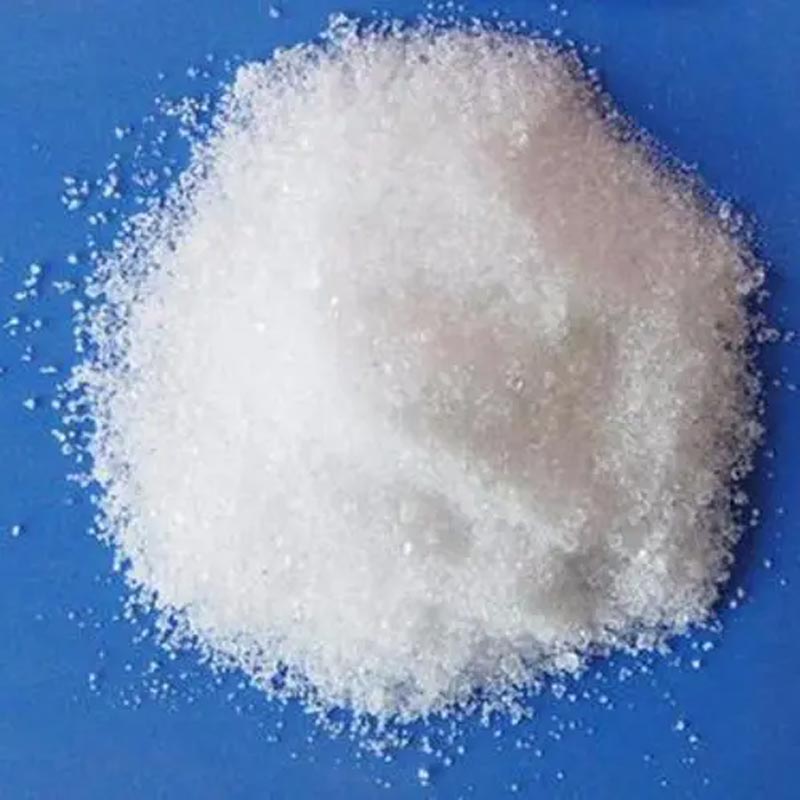
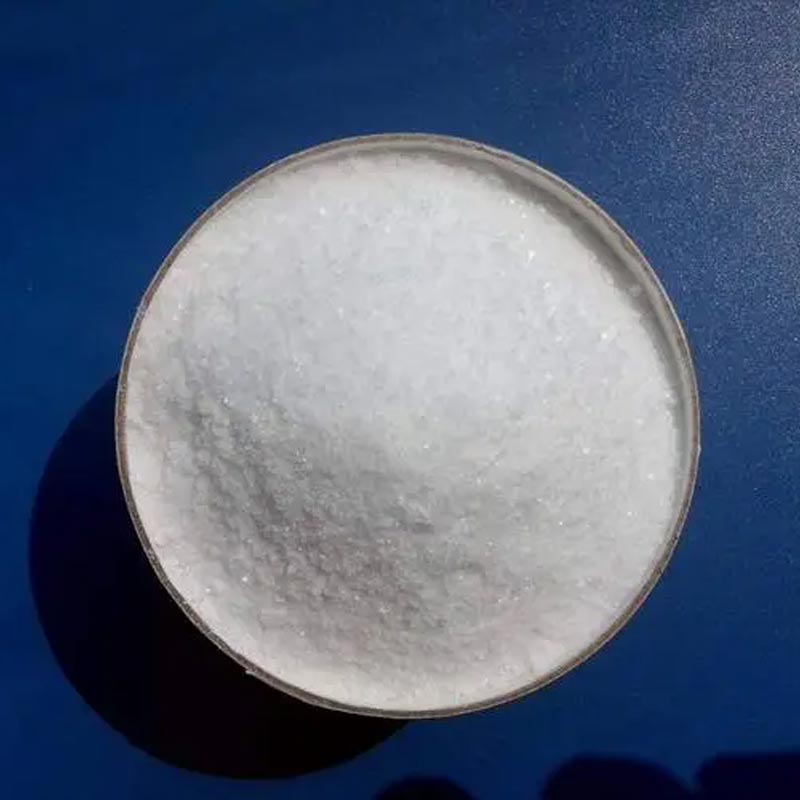
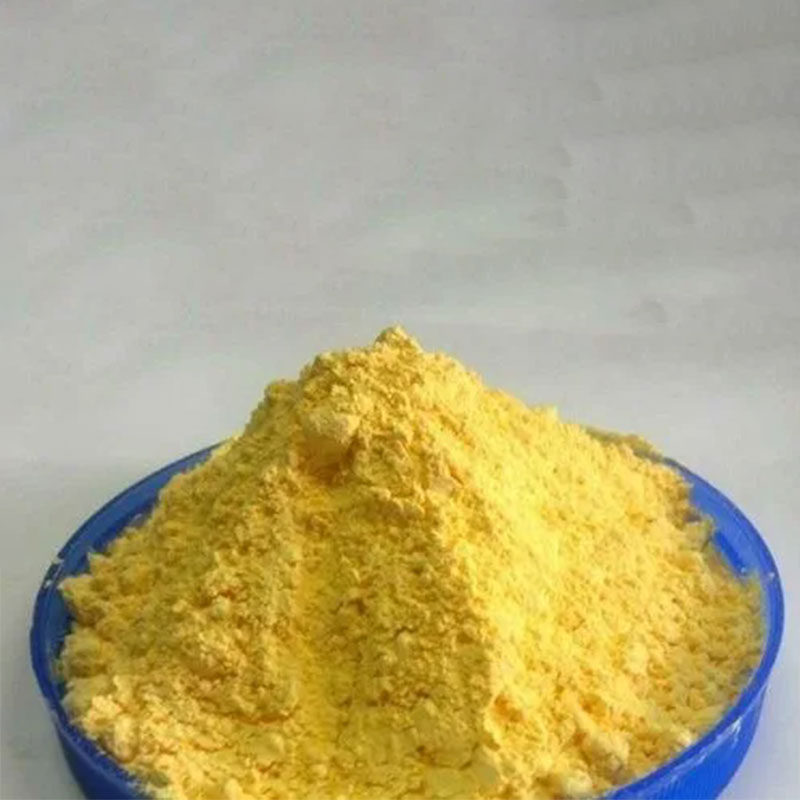
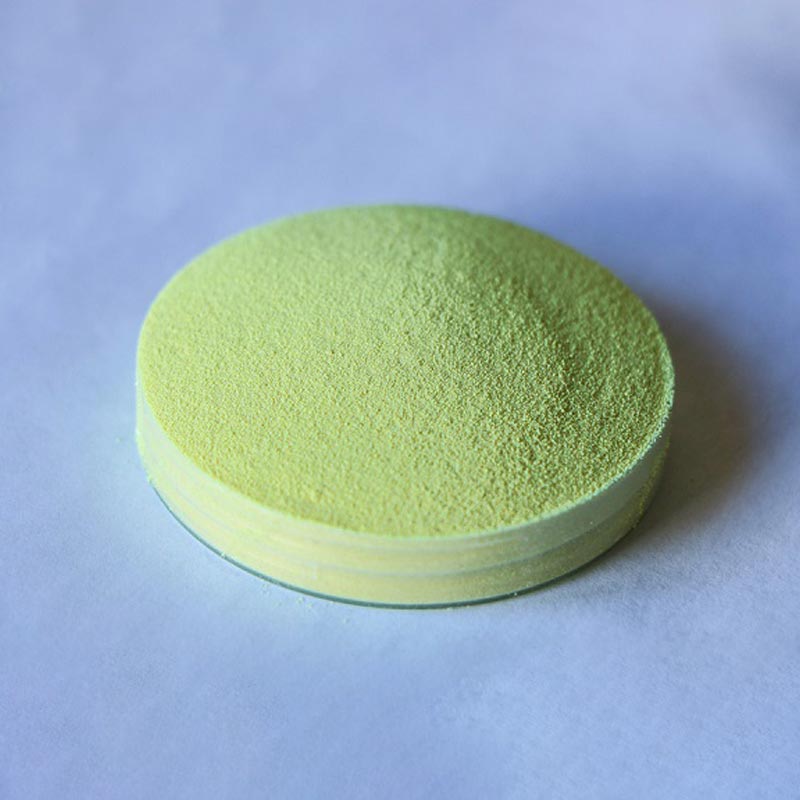
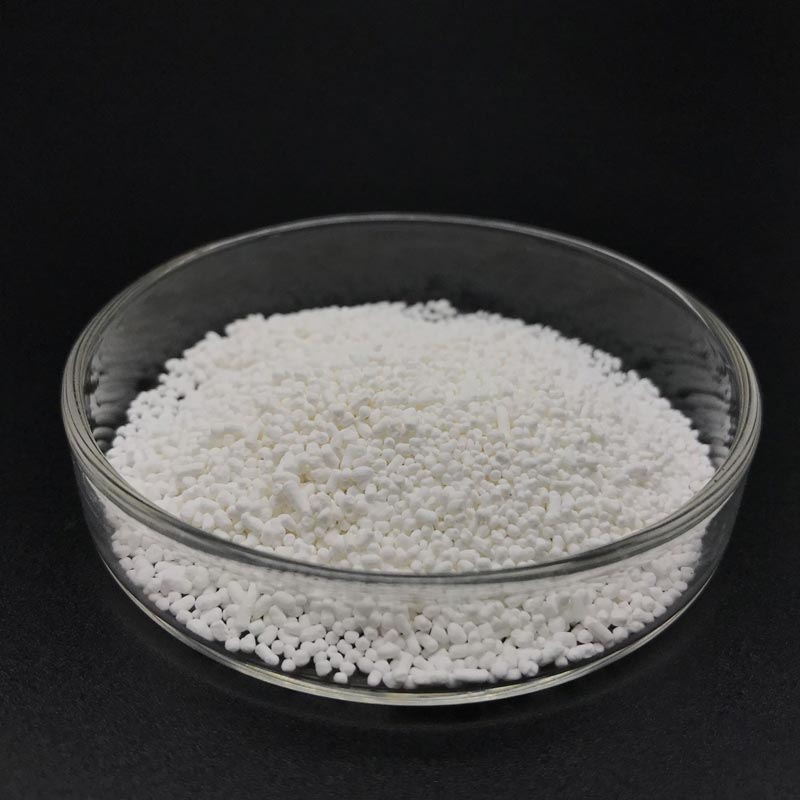
Hydroquinone, also known as benzene-1,4-diol, is an aromatic organic compound with the molecular formula C6H4(OH)2. It features two hydroxyl groups attached to a benzene ring in the para position. This specific arrangement grants hydroquinone its remarkable redox properties—it can readily undergo reversible oxidation to form benzoquinone. Our factory, Hangzhou Tongge Energy Technology Co., Ltd., has mastered the synthesis of Pharma Grade hydroquinone with over 99.5% purity, ensuring minimal byproducts like catechol or resorcinol. In its pure form, hydroquinone appears as colorless needle-like crystals that darken when exposed to air or light due to quinone formation. The compound has a melting point of 172-174°C and is highly soluble in hot water, alcohols, and ethers.
Why does this matter for professionals? Because the consistency of crystalline structure determines dissolution rates in formulations. For cosmetic creams, rapid dissolution ensures even distribution; for industrial monomers, consistent solubility prevents hot spots in reactors. Below are key identity markers every buyer should validate:
From our 20 years of manufacturing expertise, we have observed that customers often confuse hydroquinone with other phenolic compounds. Hydroquinone uniquely combines both antioxidant and pro-oxidant activities depending on concentration and environment. In Pharma Grade material supplied by Hangzhou Tongge Energy Technology Co., Ltd., we strictly control heavy metals (lead ≤1 ppm, arsenic ≤0.5 ppm) to ensure safety for topical and industrial applications. Understanding the chemical backbone is the first step toward mastering its usage. Our factory implements triple-stage crystallization to eliminate oligomeric impurities, delivering a product that meets EP, USP, and BP pharmacopoeia standards.
The mechanism of hydroquinone in dermatology is a masterpiece of enzymatic inhibition. Melanogenesis occurs within melanosomes of melanocytes, where tyrosinase catalyzes the hydroxylation of tyrosine to L-DOPA and subsequent oxidation to dopaquinone. Hydroquinone acts as a competitive inhibitor of tyrosinase: its structural similarity to tyrosine allows it to occupy the active copper-binding site of the enzyme. By doing so, it blocks the conversion of tyrosine into melanin precursors. But the functionality does not stop there. At higher concentrations (4% or above), hydroquinone exhibits cytotoxic effects on hyperactive melanocytes without damaging normal cells, leading to sustained depigmentation. Our factory produces Pharma Grade hydroquinone that is micronized to ensure optimal epidermal penetration when formulated into creams.
Clinical studies repeatedly confirm that hydroquinone significantly reduces melanin index within 4-8 weeks. However, understanding the nuances is crucial. The whitening effect is reversible once treatment stops because melanocyte stem cells repopulate the area. Another key aspect is its ability to inhibit the synthesis of melanosomal structural proteins. In our experience at Hangzhou Tongge Energy Technology Co., Ltd., formulators should always combine hydroquinone with sunscreens—UV exposure induces tyrosinase activity, counteracting the mechanism. Here is a step-by-step visual of its dermal working pathway:
Our factory has developed a proprietary stabilization technology that prevents premature oxidation of Pharma Grade hydroquinone in water-based gels, extending shelf life up to 24 months. Many clients ask why oxidation matters—oxidized hydroquinone turns brown and loses efficacy. We incorporate inert gas packaging and recommend opaque airless dispensers. The clinical takeaway: when patients ask how hydroquinone works on stubborn melasma, explain its dual role as a competitive inhibitor and a mild melanocytotoxic agent. For best outcomes, use 2% to 4% concentrations under professional supervision.
In the industrial sphere, hydroquinone plays an equally vital but entirely different role: it prevents unwanted free-radical polymerization of reactive monomers such as acrylic acid, styrene, and methyl methacrylate. During storage or transport, monomers can spontaneously polymerize due to heat, light, or trace metal catalysts, leading to hazardous exothermic reactions. Hydroquinone acts as a radical scavenger by donating a hydrogen atom to peroxy radicals or initiating radicals, thereby terminating chain polymerization before it propagates. This mechanism relies on the stabilization of hydroquinone semiquinone radicals, which are unreactive toward monomer double bonds. Our factory’s Pharma Grade hydroquinone is often specified for high-precision polymer stabilization because low impurity levels prevent side reactions that could discolor final polymers.
For manufacturers, the concentration of hydroquinone is critical: typical usage ranges from 50 to 200 ppm for effective inhibition. Too little fails to stabilize; too much may cause unwanted color formation in the final polymer upon removal. Hangzhou Tongge Energy Technology Co., Ltd. supplies Pharma Grade hydroquinone with detailed analytical certificates, enabling customers to precisely dose their monomer systems. Let’s examine key industrial working features:
We have provided Pharma Grade hydroquinone to adhesive manufacturers across Europe and North America. One key lesson: the difference between technical grade and Pharma Grade becomes apparent in residual metal content. Trace copper or iron dramatically accelerates monomer polymerization, undermining the inhibitor. Our factory’s Pharma Grade contains less than 1 ppm of transition metals, ensuring consistent performance. So, when engineers ask “how does hydroquinone work in my reactor?” – it works by interrupting the autocatalytic acceleration of free radicals, keeping monomers fluid and safe. Always store hydroquinone itself in cool, dry conditions with antioxidant protection.
Selecting the right hydroquinone grade demands scrutiny of physical and chemical specifications. Hangzhou Tongge Energy Technology Co., Ltd. manufactures Pharma Grade hydroquinone that complies with global pharmacopoeias. Below is a detailed specification table based on our batch analysis. These parameters directly impact performance in both cosmetic and industrial settings. For formulators, purity and impurity profile influence irritation potential and color stability. For industrial buyers, ash content and melting range affect processability. Our factory maintains ISO 9001:2015 certified quality management systems. Here are the standard parameters:
| Parameter | Specification (Pharma Grade) | Testing Method |
| Assay (C6H4(OH)2) | 99.5% – 100.5% on dried basis | HPLC / Titrimetry |
| Melting point | 172°C – 174°C | USP <741> Class I |
| Heavy metals (as Pb) | ≤ 10 ppm | ICP-MS |
| Lead (Pb) | ≤ 1 ppm | Atomic Absorption |
| Arsenic (As) | ≤ 0.5 ppm | Hydride AAS |
| Cadmium (Cd) | ≤ 0.5 ppm | ICP-OES |
| Mercury (Hg) | ≤ 0.1 ppm | Cold Vapor AAS |
| Residue on ignition | ≤ 0.1% | USP <281> |
| Loss on drying | ≤ 0.5% | Thermogravimetric |
| Related substances (individual impurity) | ≤ 0.1% (catechol, resorcinol, p-benzoquinone) | HPLC |
| Particle size (D90) | ≤ 50 μm (micronized grade available) | Laser diffraction |
| Storage condition | Keep tightly closed, protected from light, below 25°C | Stability study |
These specifications represent what our factory delivers in every shipment. We routinely conduct accelerated stability studies to guarantee that Pharma Grade hydroquinone maintains assay values above 99% even after 12 months of storage. For clients requiring custom particle size or packaging (e.g., 25kg fiber drums or 1kg aluminum bags), Hangzhou Tongge Energy Technology Co., Ltd. offers flexible logistics. Always verify that the certificate of analysis matches your regulatory needs. Our vision is to bridge the gap between academic understanding and industrial reliability.
After dissecting the chemistry, dermatological action, industrial inhibition, and technical parameters, several core principles emerge. Hydroquinone works fundamentally as a redox-active molecule that either inhibits tyrosinase in biological systems or quenches free radicals in chemical systems. For skincare professionals, it remains the most effective topical depigmenting agent available, but it demands responsible usage alongside sun protection and periodic breaks to prevent ochronosis. For industrial chemists, Pharma Grade hydroquinone is an indispensable stabilizer for acrylic monomers and unsaturated polyesters. Our factory has consistently emphasized the importance of purity—impurities directly translate to inconsistent performance or adverse reactions. We have seen many clients switch to our Pharma Grade after experiencing batch variation from lower-grade suppliers. The key takeaways include:
Hangzhou Tongge Energy Technology Co., Ltd. takes pride in offering not just a chemical but a solution backed by technical support. Whether you are formulating a new melasma cream or scaling up an acrylic monomer storage facility, understanding what hydroquinone is and how it works will empower your decisions. We invite you to leverage our 20 years of manufacturing excellence.
-