Hangzhou Tongge Energy Technology Co., Ltd.
News

News

Why Do Optical Brighteners Matter in Modern Manufacturing?

2026-05-12 0 Leave me a message

Article Summary

Optical Brighteners are widely used in plastics, textiles, paper, coatings, detergents, inks, and specialty chemical applications because they help materials appear cleaner, brighter, and more visually consistent. For buyers, the real challenge is not simply finding a whitening agent; it is choosing a product that matches the substrate, processing temperature, dispersion requirement, compatibility standard, and final appearance target. This article explains how Optical Brighteners work, where they are commonly used, what pain points they solve, and how manufacturers can make a more confident purchasing decision. It also introduces Hangzhou Tongge Energy Technology Co., Ltd. as a supplier connected with multiple chemical product categories and practical industrial application needs.


Article Outline

  • Explain the industrial demand behind brighter and cleaner-looking materials.
  • Clarify the working principle of Optical Brighteners in simple manufacturing language.
  • Compare common application areas, including plastics, textiles, paper, detergents, coatings, and security printing.
  • Identify common buyer pain points, such as yellowing, poor dispersion, heat instability, and inconsistent whiteness.
  • Provide a practical selection checklist for procurement teams, formulators, and production managers.
  • Show how supplier experience and product matching can reduce testing time and improve batch consistency.

Why Are Brighter Materials So Important to Buyers?

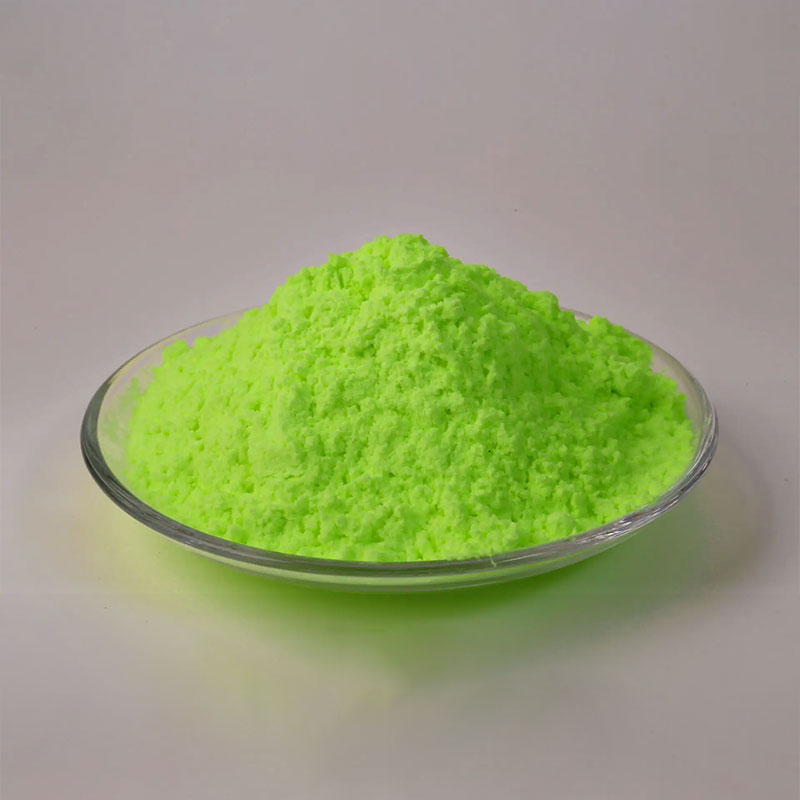
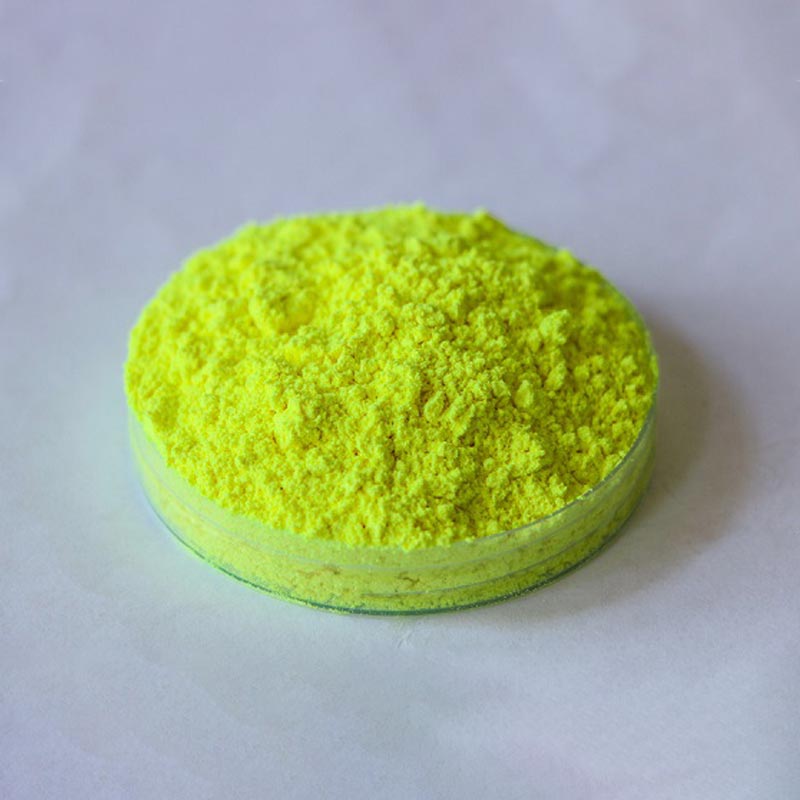
Optical Brighteners

In many industries, color is not just decoration. It is one of the first signals customers use to judge quality. A plastic package that looks dull may be seen as cheaper than it really is. A textile that appears slightly yellow may be rejected even when the fabric strength is acceptable. A paper product with uneven whiteness may create doubts about printing quality. These problems are exactly why manufacturers pay close attention to Optical Brighteners.

The purpose of using a brightening agent is not always to make a product look artificially white. In many cases, buyers want a balanced, clean, fresh, and stable visual effect. A good optical brightener helps offset yellow tones that naturally appear in polymers, fibers, coatings, or paper pulp. It can make the finished material look more refined without changing the basic function of the product.

For industrial buyers, the pain point is usually practical. They may face unstable whiteness between batches, complaints from downstream customers, poor compatibility with resin or coating systems, or color deviation after high-temperature processing. When these problems appear, simply adding more brightener is rarely the best answer. The right grade, right dosage, right dispersion method, and right application environment all matter.

Hangzhou Tongge Energy Technology Co., Ltd. works with chemical product categories that serve industrial manufacturing, including Optical Brighteners. For buyers who need a reliable whitening solution, the value lies in matching the product to real production conditions rather than treating all brighteners as the same material.


What Makes Optical Brighteners Different from Ordinary White Pigments?

Ordinary white pigments mainly depend on reflection and coverage. They scatter visible light and make the material look more opaque or white. Optical Brighteners, however, work in a different way. They absorb ultraviolet light and re-emit it as visible blue or blue-violet light. This added blue tone helps neutralize the yellowish appearance of many materials, making the surface appear brighter and cleaner to the human eye.

This is why a small amount of brightener can sometimes create a noticeable visual improvement. It does not work like a filler. It works through fluorescence. That also means the final effect depends on the light source, material transparency, processing conditions, and the natural color of the substrate.

Buyers often run into trouble when they select a product only by name. For example, a brightener suitable for high-temperature plastic processing may not be the best choice for a water-based paper application. A grade that performs well in one polymer may show limited compatibility in another. In coatings, the brightener must disperse evenly and remain stable in the formulation. In detergents, it must attach effectively to fabric and keep its whitening effect after washing.

A useful way to think about Optical Brighteners is this: they are not just “whitening chemicals.” They are appearance-control additives. Their role is to help manufacturers manage brightness, tone, consistency, and perceived cleanliness in the finished product.


Which Industries Commonly Use Optical Brighteners?

The application range of Optical Brighteners is broad because yellowing and dullness are common problems across many materials. Different industries use them for different reasons, but the buying logic is often similar: improve appearance, reduce customer complaints, and create a more competitive finished product.

Industry Common Use Main Buyer Concern Desired Result
Plastics Packaging, films, molded parts, engineering plastics Heat resistance, compatibility, yellow tone correction Cleaner appearance and stable brightness after processing
Textiles Fabric finishing, synthetic fibers, laundry products Wash durability, fabric shade, even application Fresh-looking fabric with improved whiteness
Paper Printing paper, packaging paper, specialty paper Brightness level, print appearance, pulp compatibility Higher visual whiteness and better print presentation
Detergents Laundry powders and liquid detergent formulas Fabric affinity, stability, repeated washing effect Clothes that look brighter after washing
Coatings and Inks Decorative coatings, printing inks, specialty finishes Dispersion, transparency, tone control More vivid and visually clean coating or printed surface
Security and Specialty Uses Anti-counterfeiting marks, fluorescent detection, special printing Fluorescent response and application stability Visible or verifiable fluorescence under selected light conditions

The same product category can serve many markets, but the technical route is not identical. A procurement team should not only ask, “What is the price?” It should also ask, “Will this product keep its effect under our actual processing conditions?” That second question is often where cost savings truly begin.


What Should Buyers Check Before Choosing Optical Brighteners?

Choosing Optical Brighteners becomes easier when buyers start from the end product rather than the additive itself. The best grade is the one that performs reliably in the buyer’s own system. Before placing a bulk order, manufacturers should check several points.

  • Substrate type: The brightener should match the target material, such as plastic, textile, paper, coating, detergent, or ink.
  • Processing temperature: Plastic and coating applications may require stronger heat stability than room-temperature processes.
  • Solubility and dispersion: Poor dispersion can create spots, uneven whiteness, or inconsistent fluorescence.
  • Dosage range: Excessive dosage may not improve brightness and can sometimes cause shade deviation or migration problems.
  • Compatibility: The brightener should work well with pigments, fillers, stabilizers, resins, surfactants, or other formulation components.
  • Light and aging performance: Some applications require brightness to remain stable after storage, sunlight exposure, or repeated use.
  • Regulatory and market requirements: Buyers should consider the target market, product use, and any customer-specific restrictions.

A careful selection process can reduce repeated testing, production delays, and quality disputes. It also helps buyers avoid the common mistake of comparing different grades only by unit price. A lower-cost product that causes poor dispersion, unstable whiteness, or higher rejection rates may cost more in the long run.


Which Product Factors Influence Final Performance?

When a brightener does not perform as expected, the reason is not always product quality. Sometimes the selected grade does not match the processing system. Sometimes the dosage is too high or too low. Sometimes the material already contains pigments or additives that affect fluorescence. Understanding these variables helps buyers communicate more clearly with suppliers.

Factor Why It Matters Possible Problem If Ignored
Heat Stability Important for plastics, masterbatch, fibers, and high-temperature processing Yellowing, decomposition, reduced brightness, or unstable shade
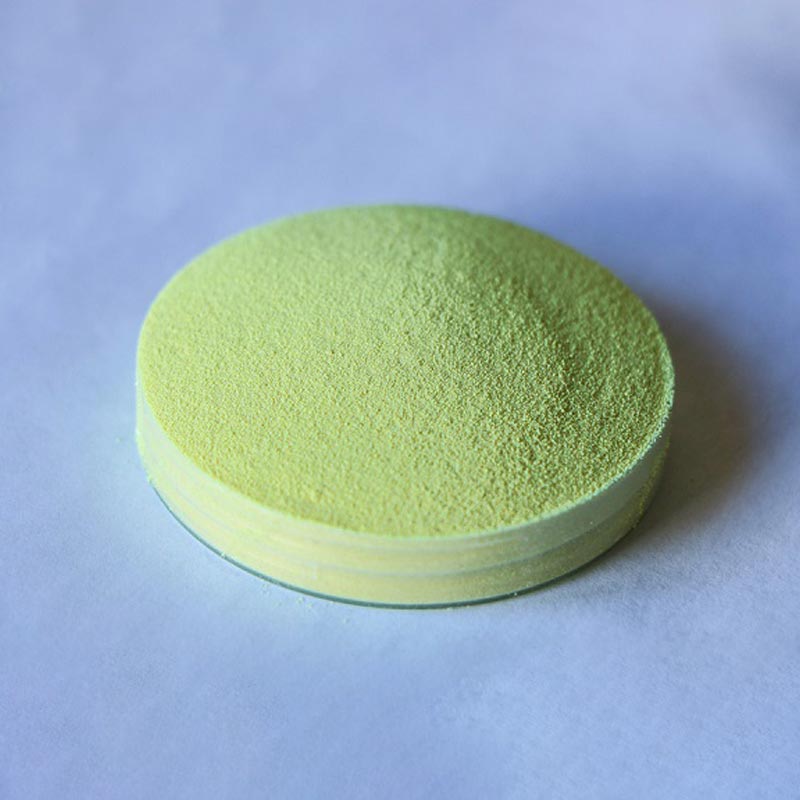
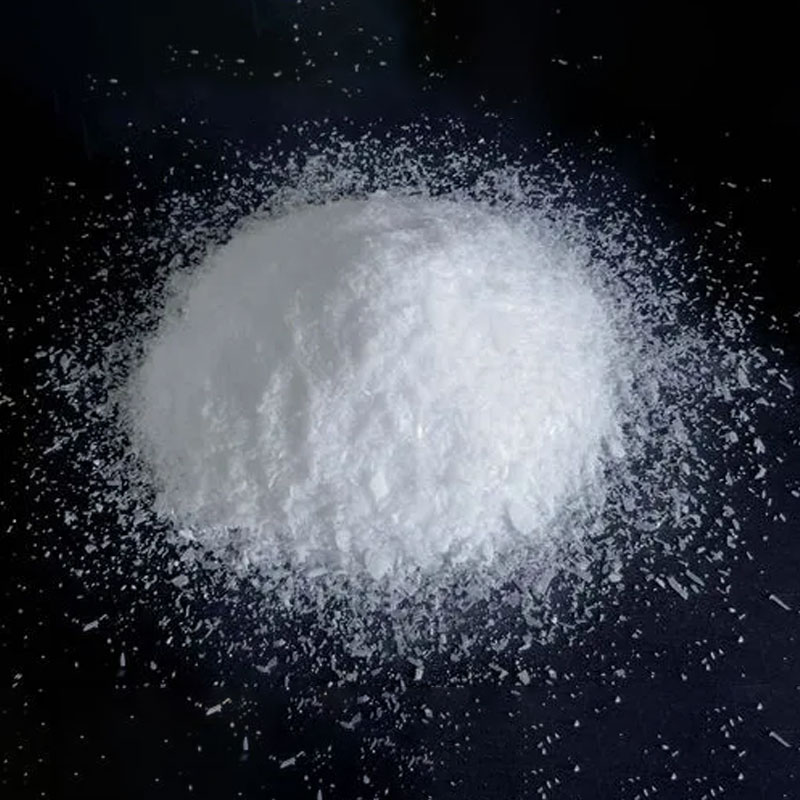
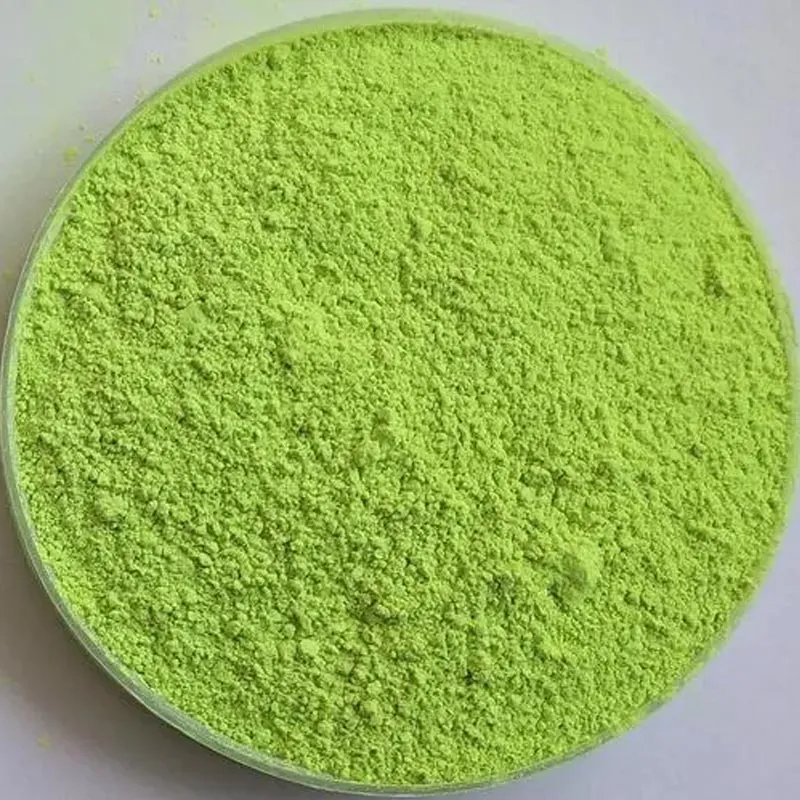
Particle Form Affects handling, dispersion, and mixing efficiency Uneven distribution, specks, or poor batch consistency
Fluorescent Strength Determines the visible brightening effect under suitable light Weak whitening effect or unnatural blue tone if not balanced
Compatibility Controls how the additive interacts with the base formula Migration, poor solubility, precipitation, or loss of performance
Application Method Different systems require different addition and mixing processes Inconsistent performance even when the product itself is suitable

For example, in plastics, buyers may care more about thermal resistance and polymer compatibility. In paper, brightness, shade, and wet-end or surface application behavior may be more important. In detergents, fabric affinity and washing performance become key concerns. A supplier who understands these differences can help customers narrow down suitable options more efficiently.


Why Does Supplier Support Matter for Industrial Buyers?

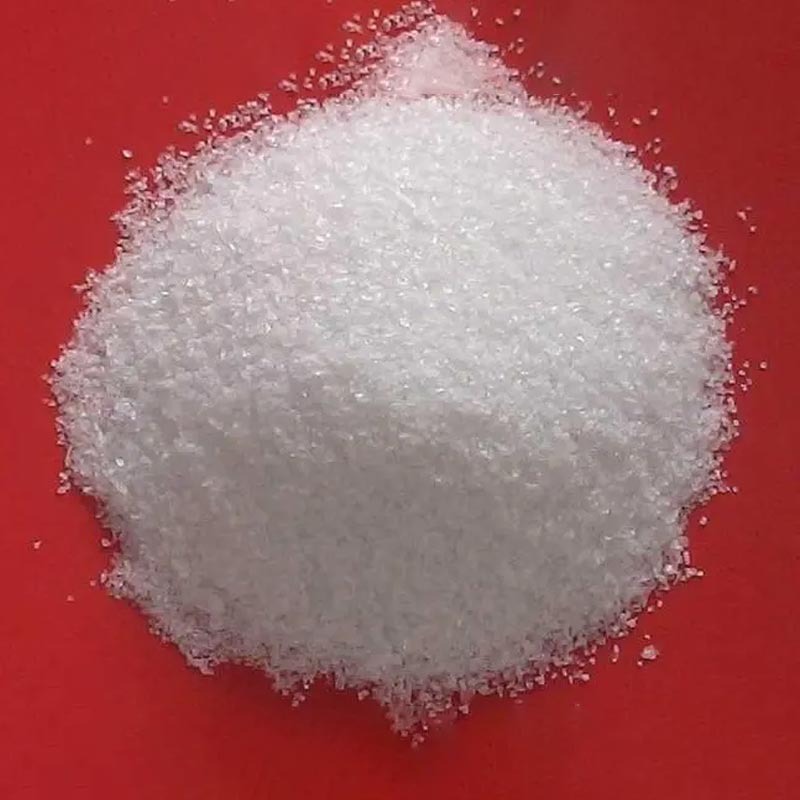
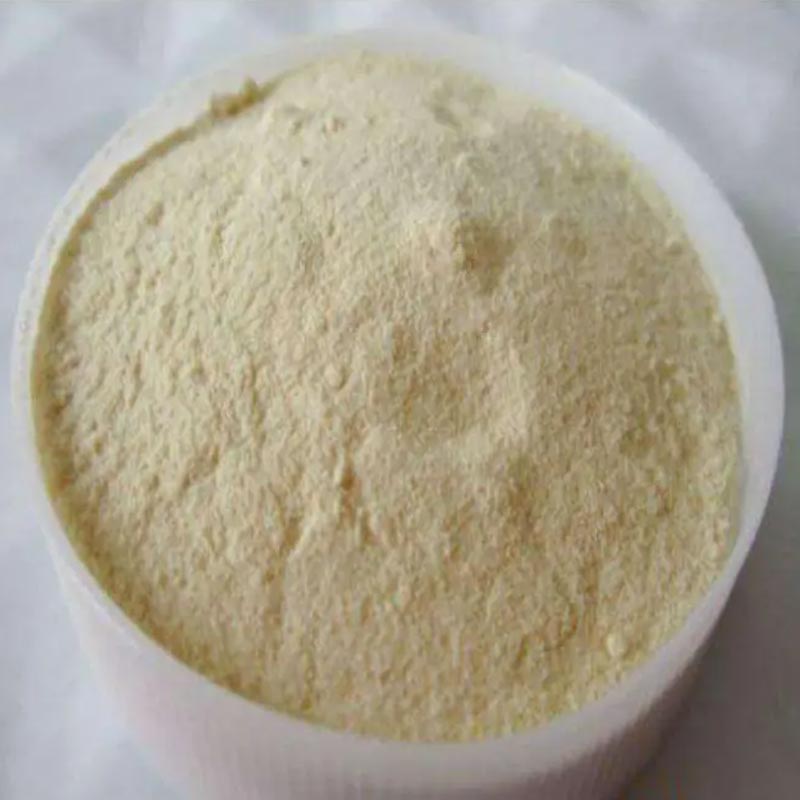
Optical Brighteners

Buying Optical Brighteners is not only a purchasing activity. It is also a technical decision that affects product appearance, production stability, and customer satisfaction. This is why supplier support matters. A good supplier should help buyers understand grade differences, application fit, sampling direction, and practical use conditions.

Hangzhou Tongge Energy Technology Co., Ltd. is connected with product categories such as pigments and coatings, organic chemicals, water treatment agents, phosphorus series products, and Optical Brighteners. This broader chemical background can be valuable for buyers who are not only looking for a single product name, but also want a practical discussion around formulation needs and production goals.

For manufacturers, the best purchasing result is not simply receiving material on time. It is receiving a product that can pass internal testing, meet downstream expectations, and support stable production. When the supplier can provide clearer communication about product form, application range, and selection logic, buyers save time during trial production and reduce uncertainty before scaling up.

In competitive markets, visual quality can influence the customer’s first impression before any technical data is reviewed. A clean white surface, a bright textile, a refined plastic part, or a vivid printed material can help a product feel more professional. That is the business value behind Optical Brighteners: they support both product performance and market perception.


FAQ

Q1: Are Optical Brighteners the same as white pigments?
No. White pigments mainly improve whiteness through reflection and coverage, while Optical Brighteners absorb ultraviolet light and emit visible blue light to reduce yellowish tones and improve perceived brightness.

Q2: Can one optical brightener be used for every application?
Usually not. Plastics, textiles, paper, detergents, coatings, and inks may require different grades because their processing conditions, compatibility needs, and performance expectations are different.

Q3: Why does my product still look yellow after adding a brightener?
The brightener may not match the substrate, the dosage may be unsuitable, dispersion may be poor, or the base material may contain components that affect fluorescence. Testing under real production conditions is important.

Q4: Does higher dosage always create better whiteness?
No. Excessive dosage may cause shade imbalance, waste material, or even reduce visual quality. A controlled dosage range is usually better than simply adding more product.

Q5: What information should I provide before asking for a product recommendation?
It is helpful to provide your application, base material, processing temperature, target whiteness, existing formulation, testing method, and any market or customer requirements.

Q6: Why should I work with Hangzhou Tongge Energy Technology Co., Ltd.?
Hangzhou Tongge Energy Technology Co., Ltd. offers chemical product experience across multiple industrial categories, including Optical Brighteners. Buyers can discuss practical application needs, product matching, and purchasing requirements before making a decision.

Contact Us

If you are looking for suitable Optical Brighteners for plastics, textiles, paper, coatings, detergents, or other industrial applications, Hangzhou Tongge Energy Technology Co., Ltd. can help you evaluate product options based on your material, process, and final appearance target. For product details, sampling needs, or purchasing support, please contact us today and tell us what you need to brighten, improve, or stabilize in your production.

Related News
Leave me a message
X
We use cookies to offer you a better browsing experience, analyze site traffic and personalize content. By using this site, you agree to our use of cookies. Privacy Policy
Reject Accept