Organic chemicals are compounds primarily composed of carbon atoms, often combined with hydrogen, oxygen, nitrogen, sulfur, and other elements. These chemicals form the foundation of countless industrial applications, from pharmaceuticals and agriculture to polymers and specialty chemicals. Understanding their properties, functions, and future trends is essential for manufacturers, researchers, and industry stakeholders who aim to optimize efficiency, innovation, and sustainability.
Organic chemicals offer a broad range of benefits, making them indispensable across industries. Their unique molecular structures allow for precise control over chemical reactions, enabling innovation and efficiency in manufacturing and processing.
High Reactivity and Versatility – Organic chemicals can be designed to participate in a wide range of reactions, allowing customization for specific industrial needs.
Sustainability Potential – Certain organic compounds can be derived from renewable resources, reducing dependency on fossil fuels.
Specialized Functions – Organic chemicals are widely used as solvents, intermediates, catalysts, and stabilizers, catering to diverse production requirements.
Economic Efficiency – Bulk production techniques and scalable synthesis methods make many organic chemicals cost-effective for industrial-scale use.
Purity and Quality Control – High-grade organic chemicals can meet stringent industrial and laboratory standards, ensuring consistent results in production processes.
| Parameter | Specification Example |
|---|---|
| Molecular Weight | 120–350 g/mol |
| Purity | ≥ 98% |
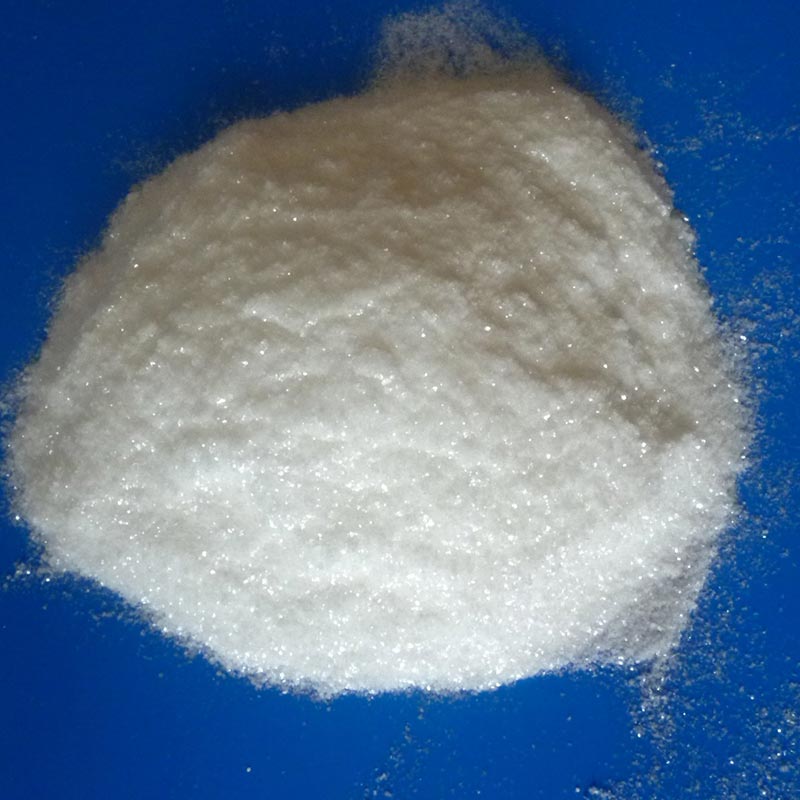
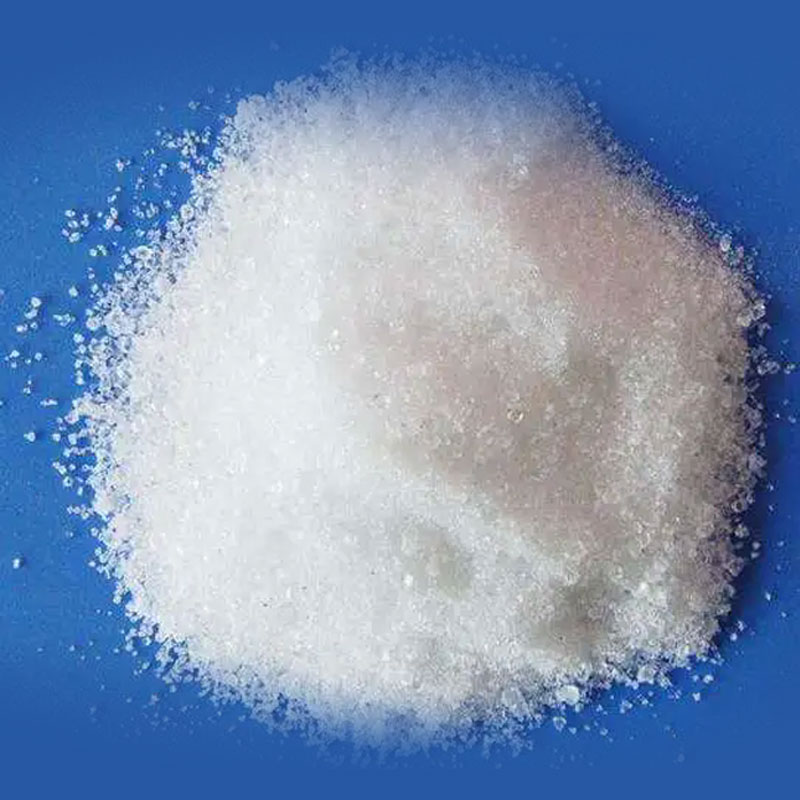
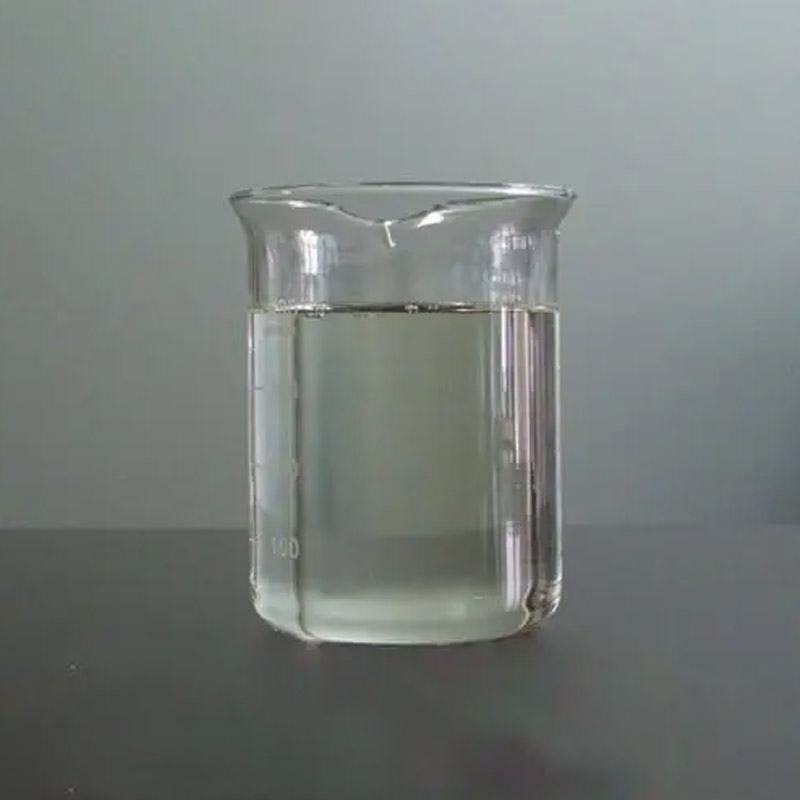
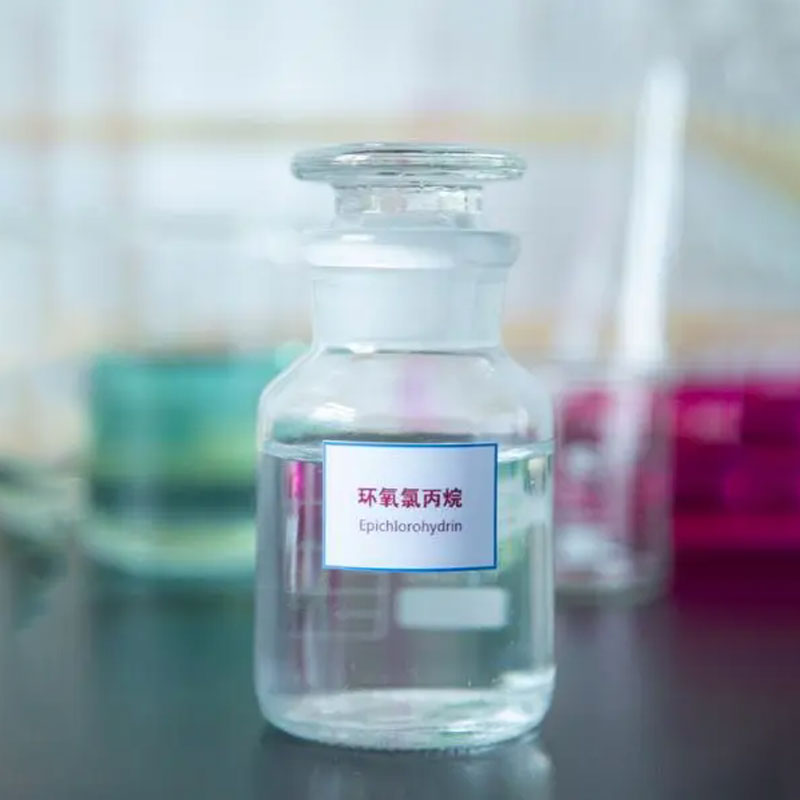
| Physical Form | Liquid / Powder / Granular |
| Solubility | Water / Organic Solvents |
| Storage Conditions | Cool, Dry Place, Away from Light |
| Stability | 12–24 Months Depending on Compound |
These parameters highlight the chemical integrity and usability of organic chemicals for industrial applications.
The significance of organic chemicals spans multiple industries due to their functional diversity. Understanding the “why” behind their widespread adoption helps clarify their industrial value.
Pharmaceuticals – Organic intermediates and active pharmaceutical ingredients (APIs) are fundamental in drug formulation, ensuring efficacy, stability, and safety.
Agriculture – Pesticides, herbicides, and fertilizers often rely on organic chemicals for controlled and efficient action.
Polymers and Plastics – Monomers and additives are primarily organic, providing flexibility, durability, and performance in synthetic materials.
Textiles and Dyes – Organic dyes and chemical treatments enhance coloration, fabric quality, and resistance to wear.
Specialty Chemicals – Fine chemicals for electronics, coatings, and adhesives rely on specific organic compounds to achieve precise functional requirements.
The adaptability of organic chemicals allows industries to innovate while maintaining cost-effectiveness and quality control. Companies leveraging advanced organic chemical solutions can achieve higher product performance and sustainable outcomes.
The production and application of organic chemicals require rigorous technical knowledge and controlled processes. Understanding the “how” behind these operations is critical for industrial safety, efficiency, and compliance.
Synthesis – Organic chemicals are typically synthesized through chemical reactions such as oxidation, reduction, esterification, and polymerization.
Purification – Processes like distillation, crystallization, and chromatography ensure high purity.
Formulation – Chemicals are tailored into functional products such as solvents, intermediates, or active compounds.
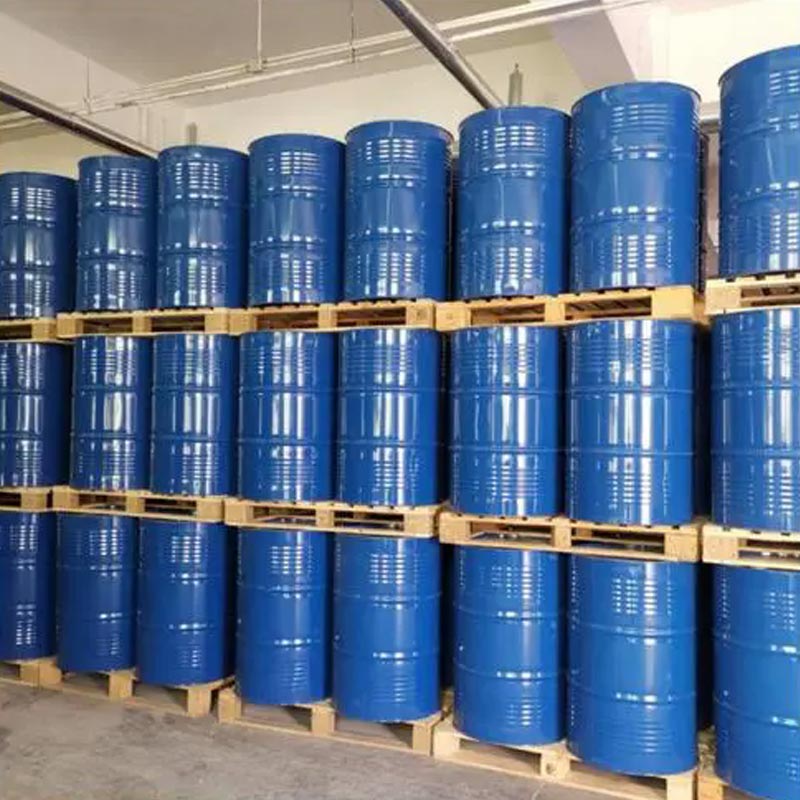
Liquid Applications: Many organic chemicals are used as solvents, diluents, or reactive agents.
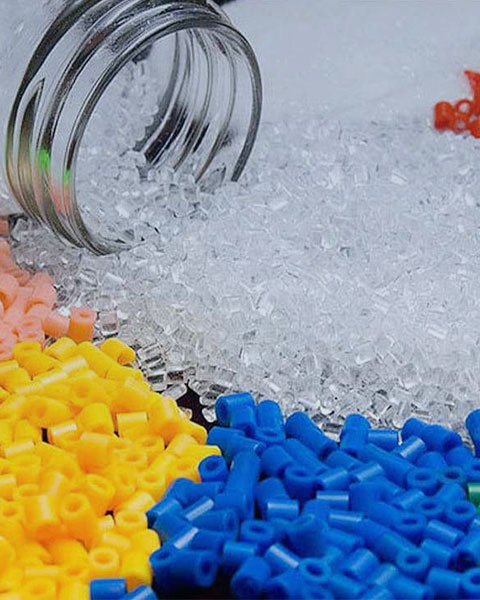
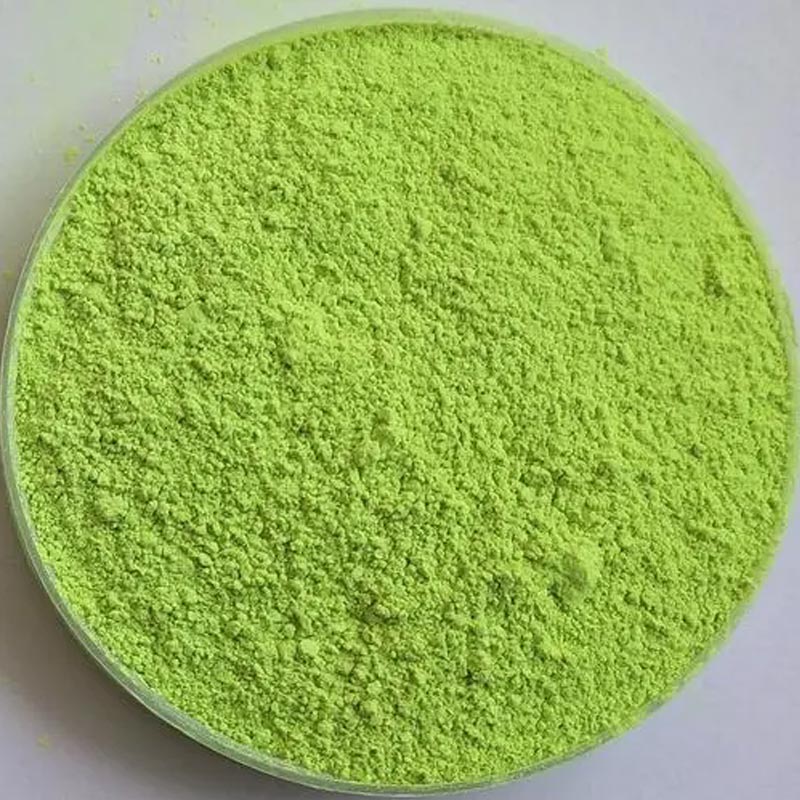
Powdered or Granular Applications: Solid forms are integrated into formulations, catalysts, or additives.
Blended Solutions: Some chemicals are combined with stabilizers or modifiers to enhance performance in specific industrial contexts.
Process Control – Monitoring reaction parameters such as temperature, pH, and pressure improves yield and quality.
Safety and Compliance – Ensuring proper storage, handling, and disposal reduces environmental and operational risks.
Innovation and Sustainability – Research into bio-based or environmentally friendly organic chemicals reduces ecological impact and enhances long-term viability.
Proper personal protective equipment (PPE), including gloves, goggles, and lab coats, is essential. Storage should be in a cool, ventilated area, separated from incompatible chemicals, and adherence to Material Safety Data Sheets (MSDS) is critical.
Selection depends on purity, reactivity, solubility, and intended function. Industries consider performance requirements, cost-effectiveness, and compliance with local and international regulations when choosing chemicals.
Impurities can alter reaction pathways, reduce product yield, and compromise safety. High-purity chemicals ensure consistent performance, reliability, and reproducibility in industrial processes.
Sustainable and Green Chemistry – Emphasis on renewable raw materials, biodegradable compounds, and reduced environmental impact.
Advanced Functionalization – Development of organic chemicals with enhanced selectivity, efficiency, and compatibility in complex industrial systems.
Automation and Digital Integration – Smart manufacturing technologies enable real-time monitoring of chemical synthesis and quality control.
Global Regulatory Alignment – Increased adherence to international safety and environmental standards is driving innovation in compliant, safe, and efficient organic chemical production.
In conclusion, organic chemicals are indispensable for modern industry due to their versatility, efficiency, and wide-ranging applications. Proper selection, handling, and understanding of their properties allow businesses to innovate while maintaining sustainability and quality. HANGZHOU TONGGE ENERGY TECHNOLOGY CO., LTD. provides high-quality organic chemical solutions with reliable specifications and industry-grade standards.
Contact Us today to explore a comprehensive range of organic chemicals suitable for diverse industrial applications.