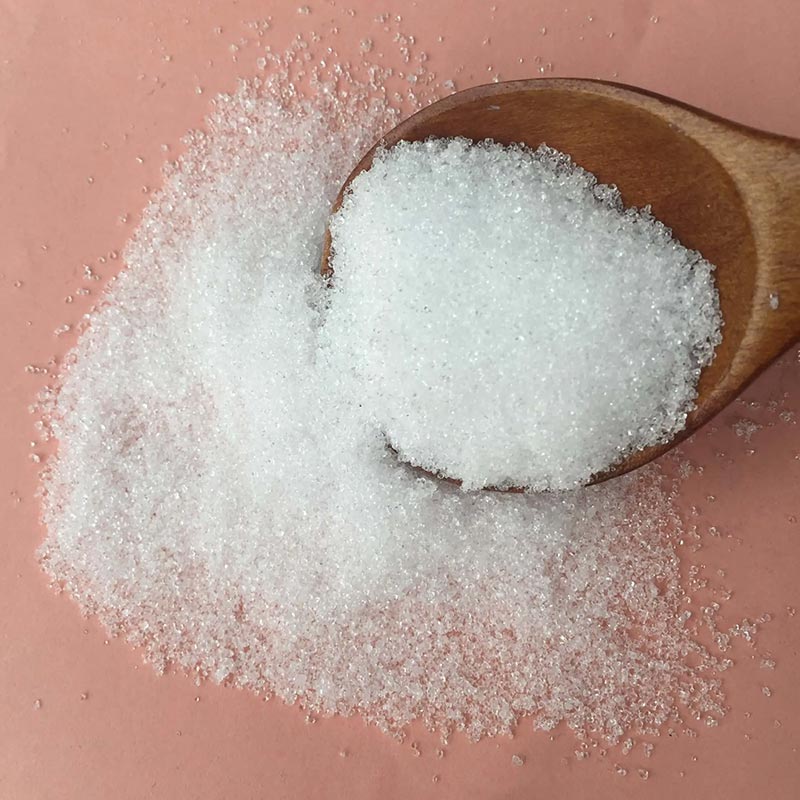
The term Pharma Grade is widely used across pharmaceutical, biotechnology, and healthcare supply chains, yet it is often misunderstood or misapplied. This in-depth article explains what Pharma Grade truly means, how it differs from other material grades, the standards behind it, and why it is essential for patient safety and regulatory compliance. Drawing on real-world manufacturing practices and industry expectations, this guide is designed for procurement managers, engineers, formulators, and quality professionals seeking reliable, compliant Pharma Grade solutions.
Pharma Grade refers to materials, ingredients, or substances that meet the strict quality, purity, safety, and traceability requirements set by global pharmaceutical regulatory authorities. These materials are specifically manufactured and tested for use in drug production, medical formulations, and pharmaceutical processing environments.
Unlike marketing labels, Pharma Grade is not a casual term. It implies:
For pharmaceutical manufacturers, using non-compliant materials can lead to regulatory failure, product recalls, or patient harm. This is why Pharma Grade materials are treated as a foundational requirement rather than a premium option.
A product labeled as Pharma Grade must align with one or more recognized pharmacopeial or regulatory standards. These standards ensure consistent quality and global acceptance.
| Standard | Region | Purpose |
|---|---|---|
| USP (United States Pharmacopeia) | United States | Defines purity, identity, strength, and quality |
| EP (European Pharmacopoeia) | Europe | Harmonized quality standards for pharmaceuticals |
| BP (British Pharmacopoeia) | United Kingdom | Legal standard for medicines and substances |
| GMP | Global | Ensures controlled and reproducible manufacturing |
A true Pharma Grade product often meets multiple standards simultaneously, supported by Certificates of Analysis (COA), batch traceability, and audit readiness.
One of the most common misunderstandings is assuming Food Grade or Industrial Grade materials can substitute for Pharma Grade. In regulated pharmaceutical environments, this assumption is risky.
| Grade | Purity Level | Regulatory Control | Pharmaceutical Use |
|---|---|---|---|
| Pharma Grade | Extremely high | Strict, audited | Approved and required |
| Food Grade | High | Moderate | Generally not acceptable |
| Industrial Grade | Variable | Minimal | Not permitted |
Pharma Grade materials undergo additional testing for contaminants, endotoxins, residual solvents, and microbiological safety that Food Grade standards do not require.
Pharmaceutical products directly affect human health. Even trace impurities can alter drug stability, efficacy, or safety. This is why Pharma Grade compliance is non-negotiable.
Key reasons Pharma Grade matters:
Regulatory authorities increasingly scrutinize supply chains, making Pharma Grade documentation as important as the material itself.
Pharma Grade materials extend far beyond active pharmaceutical ingredients (APIs). They are used throughout the pharmaceutical ecosystem.
Companies like TONGGE ENERGY focus on supplying Pharma Grade solutions that support consistent performance across these demanding applications.
For deeper technical specifications, you can also refer to this resource: Pharma Grade technical overview.
Not all suppliers use the term Pharma Grade responsibly. Verification is essential.
Reliable suppliers will proactively provide documentation rather than reactively respond to audits.
Selecting the right Pharma Grade supplier is a strategic decision, not a transactional one.
A trustworthy supplier should demonstrate:
TONGGE ENERGY emphasizes controlled sourcing, consistent quality validation, and long-term supply reliability to support pharmaceutical partners worldwide.
Yes. Regulatory agencies require Pharma Grade materials for drug manufacturing and submission approval.
In most pharmaceutical applications, no. Food Grade lacks the required validation and documentation.
No material is absolutely pure, but Pharma Grade ensures impurities are strictly controlled within safe, regulated limits.
Each batch must be tested and documented according to GMP and pharmacopeial requirements.
Understanding what Pharma Grade really means is essential for anyone involved in pharmaceutical manufacturing, procurement, or quality assurance. It is not just a label, but a system of trust, safety, and compliance.
If you are evaluating Pharma Grade materials or looking for a dependable long-term partner, working with experienced suppliers makes all the difference. Contact us today to discuss how TONGGE ENERGY can support your pharmaceutical applications with verified Pharma Grade solutions.
-