Ethyl Methyl Sulfide (EMS), also known as methyl ethyl sulfide, is an organic sulfide widely recognized for its characteristic sulfur odor, moderate volatility, and reliable solvency profile. As a versatile intermediate, EMS is used across petrochemical refining, chemical synthesis, polymer modification, lubricant formulation, and odorant systems.
| Parameter | Specification |
|---|---|
| Chemical Name | Ethyl Methyl Sulfide |
| CAS Number | 624-89-5 |
| Molecular Formula | C₃H₈S |
| Molecular Weight | 76.15 g/mol |
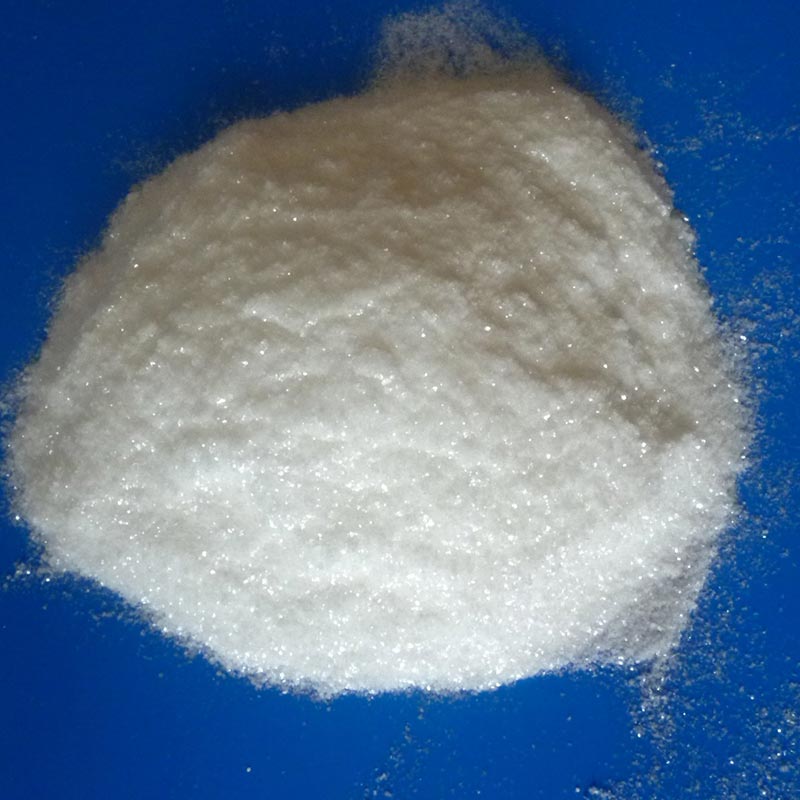
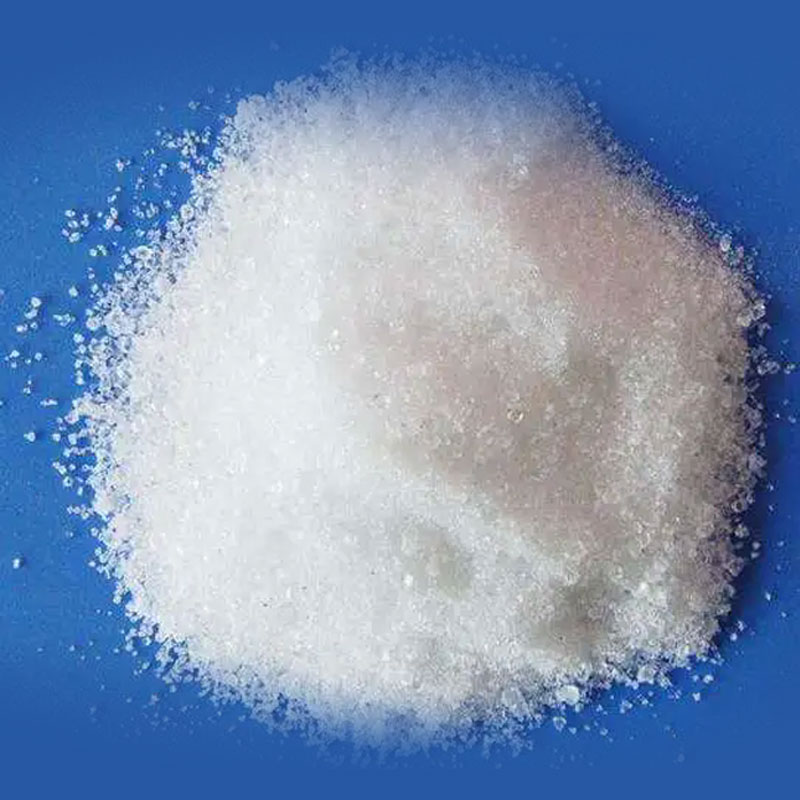
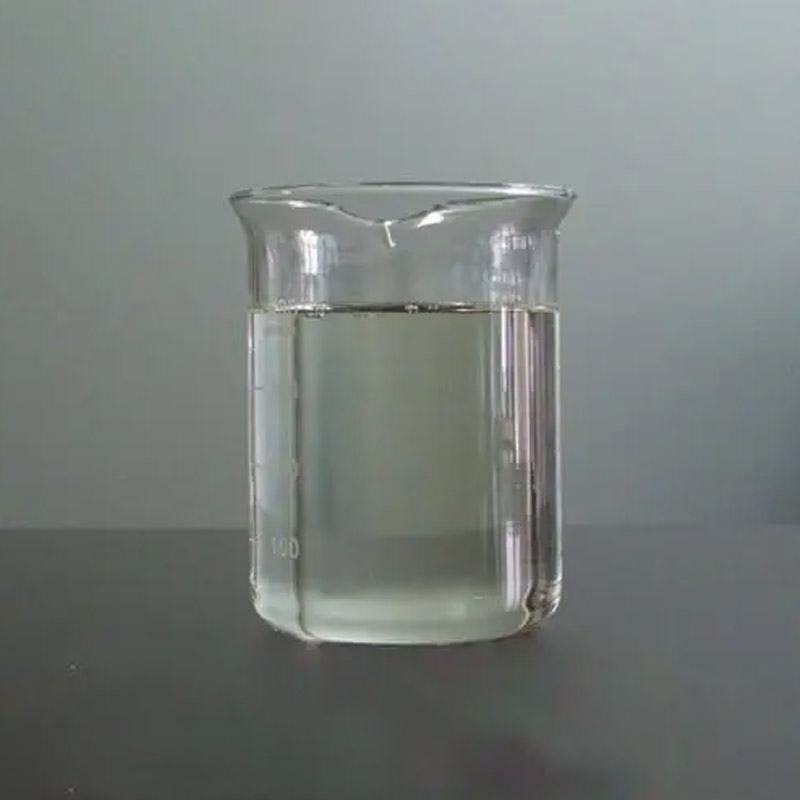
| Appearance | Colorless to light-yellow liquid |
| Purity | ≥ 99% (industrial grade), available in higher purities upon request |
| Boiling Point | 68–70°C |
| Melting Point | −113°C |
| Density (20°C) | 0.84–0.86 g/cm³ |
| Refractive Index | 1.427–1.429 |
| Flash Point | −4°C (closed cup) |
| Solubility | Insoluble in water; soluble in most organic solvents |
| Odor | Strong sulfide-type odor |
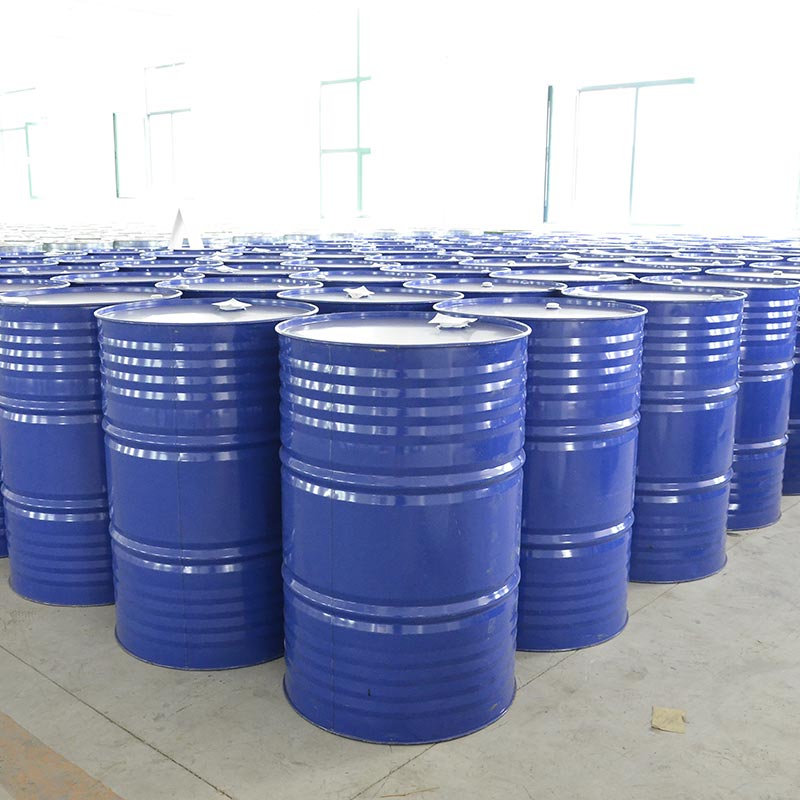
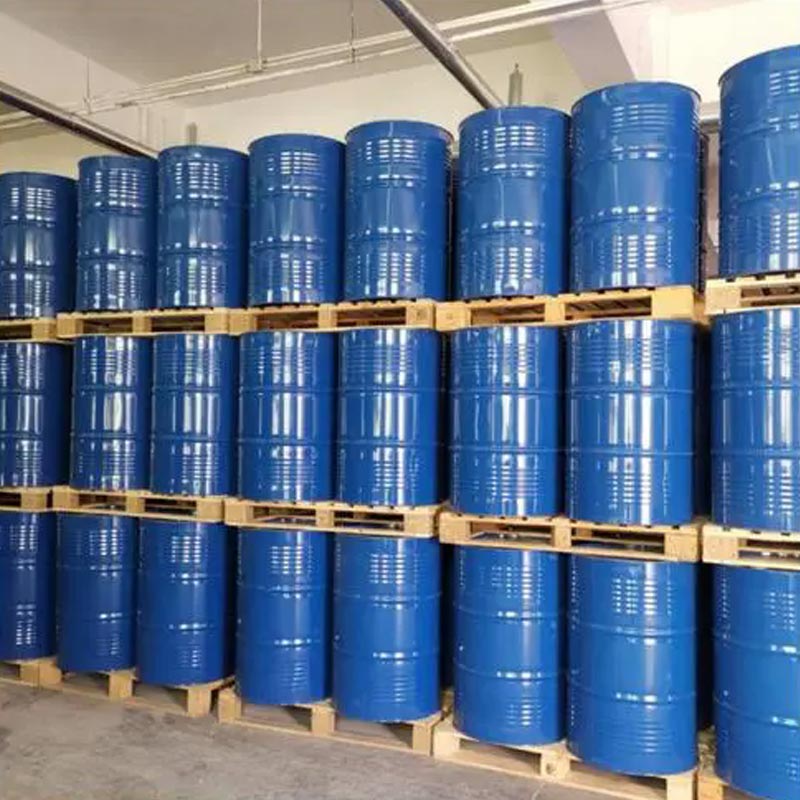
| Packaging | 180kg steel drum / ISO tank / customized transport-grade container |
| Applications | Petrochemical intermediates, fine chemicals, odorant formulations, lubricant additives, polymer processing |
This foundation sets the stage for a deeper exploration into how EMS functions, why industries rely on its properties, and what emerging sectors may adopt it next.
Ethyl Methyl Sulfide stands out due to its structural simplicity and consistent reactivity. By examining its performance across manufacturing environments, it becomes evident why chemical engineers and procurement managers select EMS for large-scale and precision-driven processes.
Its moderate boiling point allows efficient evaporation or separation at controlled temperatures. This benefits thermal processes such as distillation, solvent extraction, and catalyst regeneration. Because EMS remains stable under a broad temperature range, industries can rely on it for continuous-operation equipment without frequent shutdowns.
The sulfide functional group has affinity for certain metal ions and hydrocarbon matrices, enabling EMS to serve as a selective solvent in refining and purification pathways. Its low polarity ensures compatibility with diverse organic-phase systems, enhancing extraction yield and reducing byproduct formation.
Due to its strong sulfur odor, EMS is incorporated into chemical odorants used for safety detection in industrial gas pipelines. Its volatility ensures that even small leaks become immediately noticeable, contributing to early hazard identification and preventive maintenance.
EMS’s low viscosity and stable liquid form simplify pumping, metering, and long-distance shipping. The chemical’s compatibility with standard transport containers reduces logistical costs and ensures predictable handling across supply chains.
Overall, the advantages of EMS combine chemistry, stability, and operational practicality, making it a valued compound across multiple sectors.
Chemical market demand continues to evolve as global industries adopt stricter efficiency requirements and cleaner production standards. Several trends point toward increased utilization of EMS in both traditional and emerging applications.
Hydrocarbon processing facilities are adopting more selective and energy-efficient mechanisms, and EMS fits these pathways due to its solvency and predictable reactivity. The compound may see increased adoption in sulfur‐based intermediates, catalyst modifiers, and refining additives.
Research into functional polymers and specialty elastomers often incorporates sulfide-containing intermediates to achieve desired structural properties. EMS serves as an accessible sulfide donor, opening opportunities in advanced composites, sealants, and next-generation lubricant technologies.
Low-energy distillation behavior and compatibility with recyclable organic solvents make EMS favorable for greener manufacturing strategies. As environmental compliance becomes more demanding across global markets, its efficiency-oriented characteristics may help reduce waste and improve energy usage.
Fine chemical manufacturers continue to look for intermediates capable of consistent reactions with minimal impurities. High-purity EMS grade variants support pharmaceutical intermediates, crop protection synthesis, and fragrance chemistry, where purity and traceability are essential.
EMS appears positioned for stable long-term growth, especially as industries seek compounds that balance performance, safety, and operational reliability.
Q1: How hazardous is Ethyl Methyl Sulfide during storage and usage?
A1: EMS is flammable due to its low flash point, and vapors may form explosive mixtures with air under certain conditions. Proper ventilation, grounding during transfer, and adherence to chemical-grade storage protocols are essential. Although its odor is strong, EMS toxicity is relatively moderate compared with other sulfide compounds, but skin contact and inhalation should still be minimized through standard protective equipment.
Q2: How should Ethyl Methyl Sulfide be disposed of after use?
A2: Disposal should follow local chemical waste regulations. EMS residues and containers must be collected as hazardous organic waste. Incineration at approved waste treatment plants is the most common method, ensuring complete oxidation and minimizing environmental impact. Untreated release into water or soil must be avoided, as EMS is not water-soluble and can create odor-related contamination.
Ethyl Methyl Sulfide supports a wide range of industrial activities by offering stable performance, versatile reactivity, and manageable handling characteristics. Its role in petrochemical refining, specialty chemicals, polymers, lubricants, and detection systems demonstrates how a single compound can influence multiple stages of modern manufacturing. As industries pursue efficiency, precision, and sustainable chemistry, EMS remains positioned as a dependable intermediate capable of meeting evolving performance standards.
For businesses seeking stable supply, consistent quality, and professional technical support, HANGZHOU TONGGE ENERGY TECHNOLOGY CO., LTD provides reliable production, strict quality control, and international shipping solutions tailored to industrial-scale demand. To explore customized specifications, bulk purchasing options, or technical consultation, contact us to discuss how Ethyl Methyl Sulfide can optimize your production workflow.