Hangzhou Tongge Energy Technology Co., Ltd.
News

News

How Does a Water Treatment Agent Improve Water Quality and System Efficiency

2025-12-30 0 Leave me a message

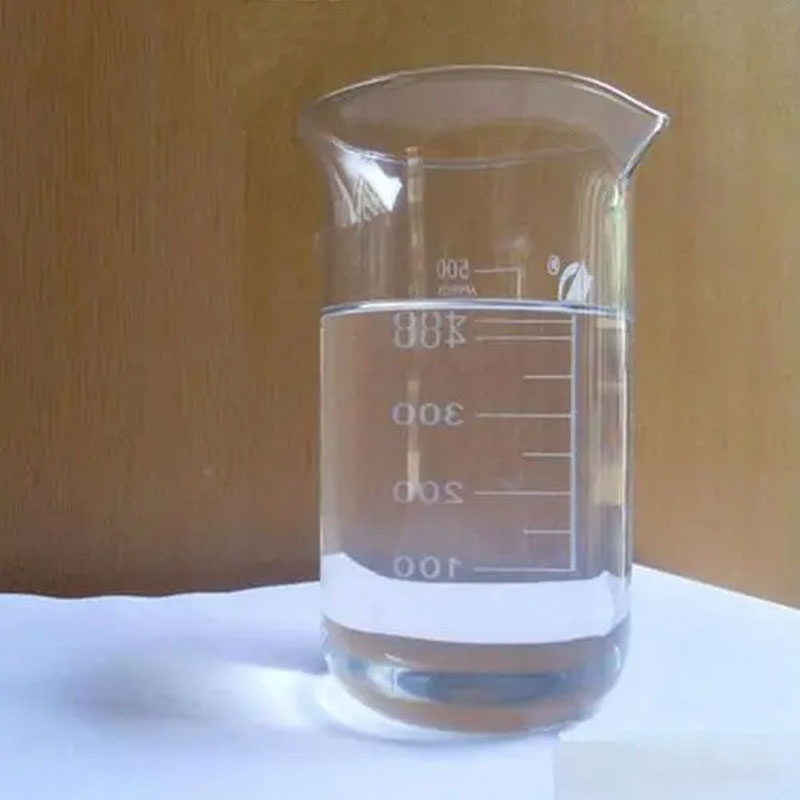
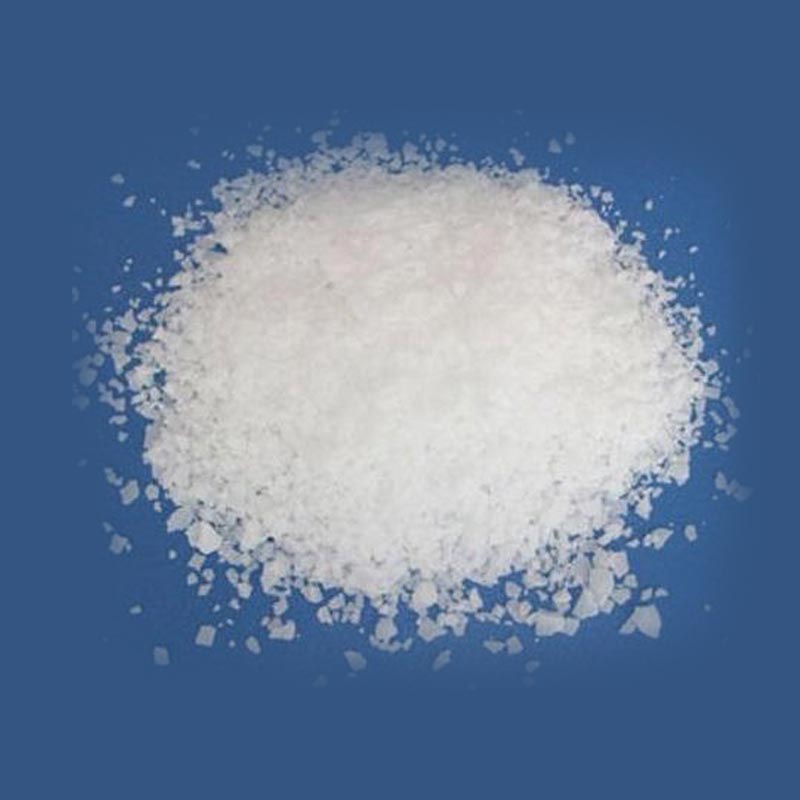
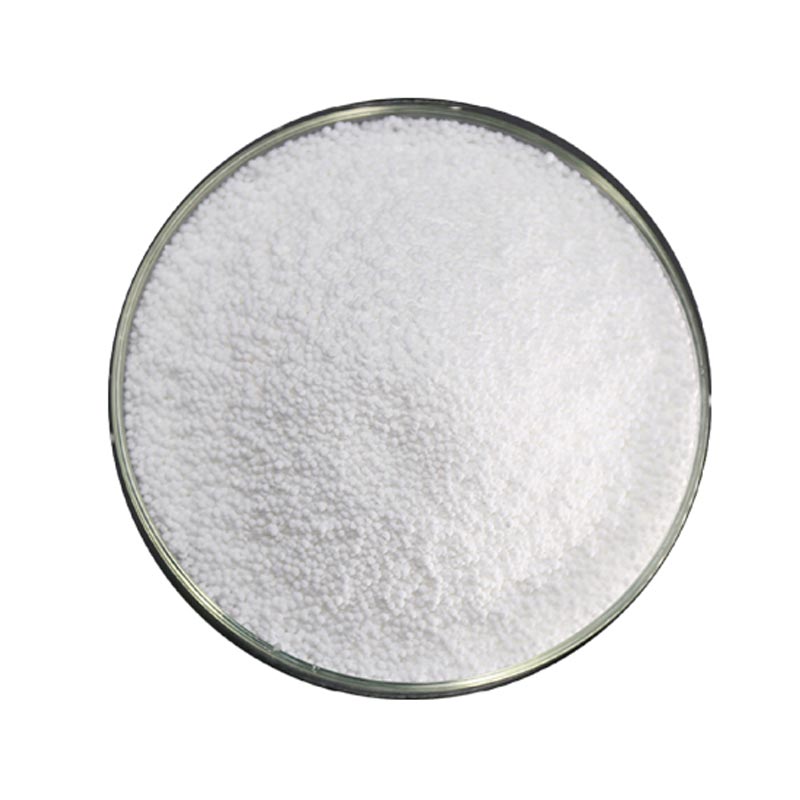
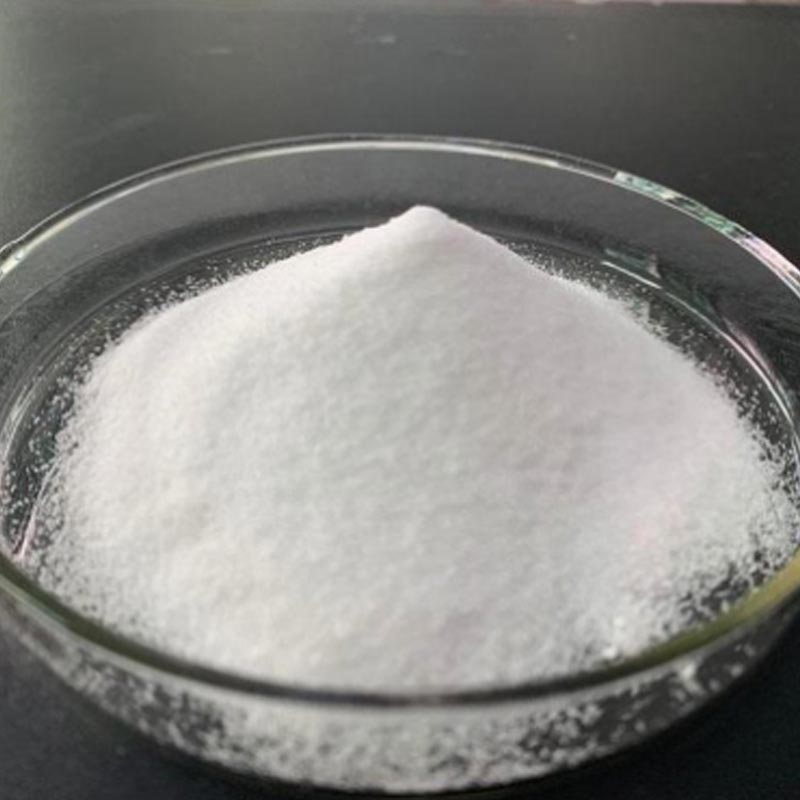
Water scarcity, stricter environmental regulations, and rising operational costs have made efficient water management more important than ever. A water treatment agent plays a decisive role in improving water quality, protecting equipment, and ensuring compliance across industrial, municipal, and commercial water systems. In this in-depth article, we explore how water treatment agents work, the different types available, their real-world applications, and how businesses can select the most suitable solution for long-term performance and sustainability.

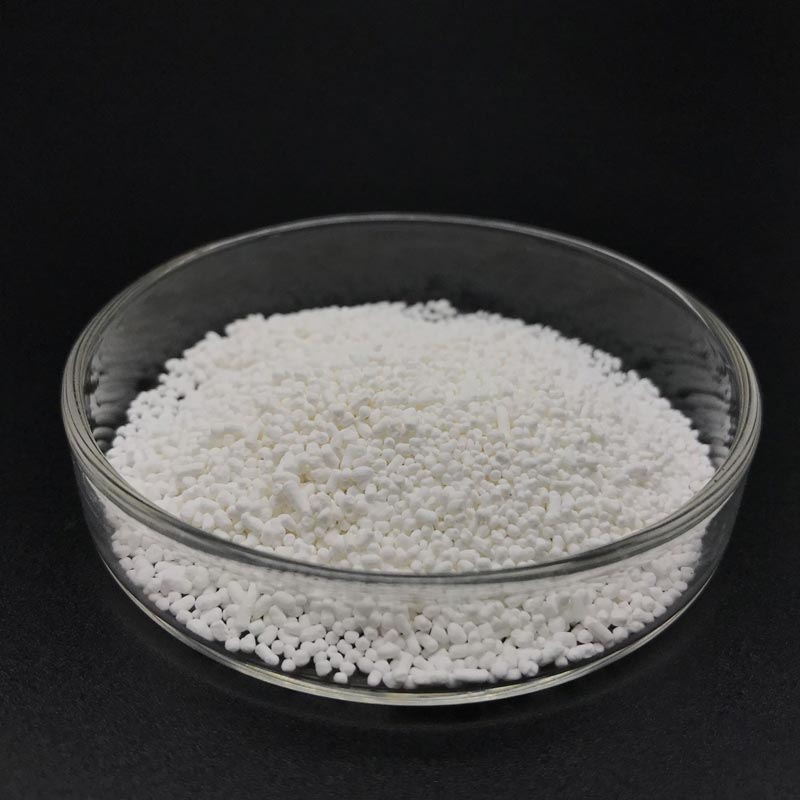
Water Treatment Agent

Table of Contents

  1. What Is a Water Treatment Agent?
  2. Why Water Quality and System Efficiency Matter
  3. How a Water Treatment Agent Works
  4. Main Types of Water Treatment Agents
  5. Industrial and Municipal Applications
  6. Benefits of Using the Right Water Treatment Agent
  7. How to Choose the Right Water Treatment Agent
  8. Why TONGGE Is a Trusted Water Treatment Partner
  9. Frequently Asked Questions (FAQ)

1. What Is a Water Treatment Agent?

A water treatment agent is a chemical or compound added to water systems to improve water quality, control contaminants, and protect infrastructure. These agents are widely used in drinking water treatment, wastewater processing, industrial cooling systems, boilers, and process water applications.

Depending on the application, a water treatment agent can remove suspended solids, inhibit corrosion, prevent scale formation, eliminate microorganisms, or adjust water chemistry. Modern water treatment strategies rely on a combination of agents to achieve optimal performance and regulatory compliance.


2. Why Water Quality and System Efficiency Matter

Poor water quality directly impacts operational efficiency, safety, and costs. Untreated or improperly treated water can cause:

  • Corrosion of pipelines and equipment
  • Scaling and fouling of heat exchangers
  • Microbial growth and biofilm formation
  • Increased energy consumption
  • Regulatory non-compliance and environmental risks

By using a suitable water treatment agent, organizations can maintain stable water chemistry, extend equipment lifespan, and ensure consistent system performance.


3. How a Water Treatment Agent Works

Water treatment agents function through physical, chemical, or biological mechanisms. Their action depends on water composition, system design, and treatment goals.

Key Working Mechanisms

  1. Coagulation and Flocculation: Bind fine particles into larger aggregates for easier removal.
  2. Chemical Inhibition: Prevent corrosion and scale formation on metal surfaces.
  3. Oxidation and Disinfection: Destroy bacteria, algae, and harmful microorganisms.
  4. pH and Alkalinity Adjustment: Stabilize water chemistry for optimal process conditions.

4. Main Types of Water Treatment Agents

Type Main Function Typical Applications
Coagulants Remove suspended solids Drinking water, wastewater treatment
Flocculants Enhance particle aggregation Industrial effluent, sludge dewatering
Corrosion Inhibitors Protect metal surfaces Cooling towers, boilers
Scale Inhibitors Prevent mineral deposits Heat exchangers, RO systems
Biocides Control microbial growth Cooling water, circulating systems

Each water treatment agent targets specific water-related challenges, making proper selection critical for system efficiency.


5. Industrial and Municipal Applications

Water treatment agents are essential across multiple sectors:

  • Power generation: Boiler water and cooling systems
  • Chemical processing: Process water and effluent treatment
  • Municipal water supply: Drinking water purification
  • Wastewater treatment plants: Sludge conditioning and discharge compliance
  • Food and beverage: Hygienic and process water control

In each case, a properly formulated water treatment agent ensures stable operation and reduced downtime.


6. Benefits of Using the Right Water Treatment Agent

  • Improved water clarity and purity
  • Lower maintenance and repair costs
  • Extended equipment service life
  • Reduced chemical and energy consumption
  • Compliance with environmental regulations

These benefits directly translate into higher operational efficiency and long-term cost savings.


7. How to Choose the Right Water Treatment Agent

Selecting the appropriate water treatment agent requires a comprehensive evaluation of:

  1. Water source and composition
  2. System design and operating conditions
  3. Target contaminants and treatment goals
  4. Environmental and regulatory requirements

Partnering with experienced suppliers like professional water treatment solution providers can significantly reduce risks and optimize results.


8. Why TONGGE Is a Trusted Water Treatment Partner

TONGGE specializes in advanced water treatment agents designed for industrial and environmental applications. With a strong focus on performance, safety, and sustainability, TONGGE provides customized solutions backed by technical expertise and real-world experience.

From product selection to application support, TONGGE helps clients achieve reliable water quality and efficient system operation.


Frequently Asked Questions (FAQ)

What industries use water treatment agents the most?

Power generation, manufacturing, municipal water supply, and wastewater treatment plants are among the largest users of water treatment agents.

Can one water treatment agent solve all water problems?

No. Most systems require a combination of water treatment agents to address scaling, corrosion, microorganisms, and water chemistry simultaneously.

Are water treatment agents environmentally safe?

When properly selected and dosed, modern water treatment agents are designed to meet strict environmental and safety standards.

How often should water treatment agents be applied?

Application frequency depends on system conditions, water quality, and operational demands. Continuous monitoring is recommended.


If you are looking to improve water quality, reduce operational costs, and enhance system reliability, choosing the right water treatment agent is the first step. Partner with TONGGE to access proven solutions and expert support tailored to your needs. Contact us today to discuss your water treatment challenges and discover how we can help you achieve sustainable and efficient water management.

Related News
Leave me a message
X
We use cookies to offer you a better browsing experience, analyze site traffic and personalize content. By using this site, you agree to our use of cookies. Privacy Policy
Reject Accept