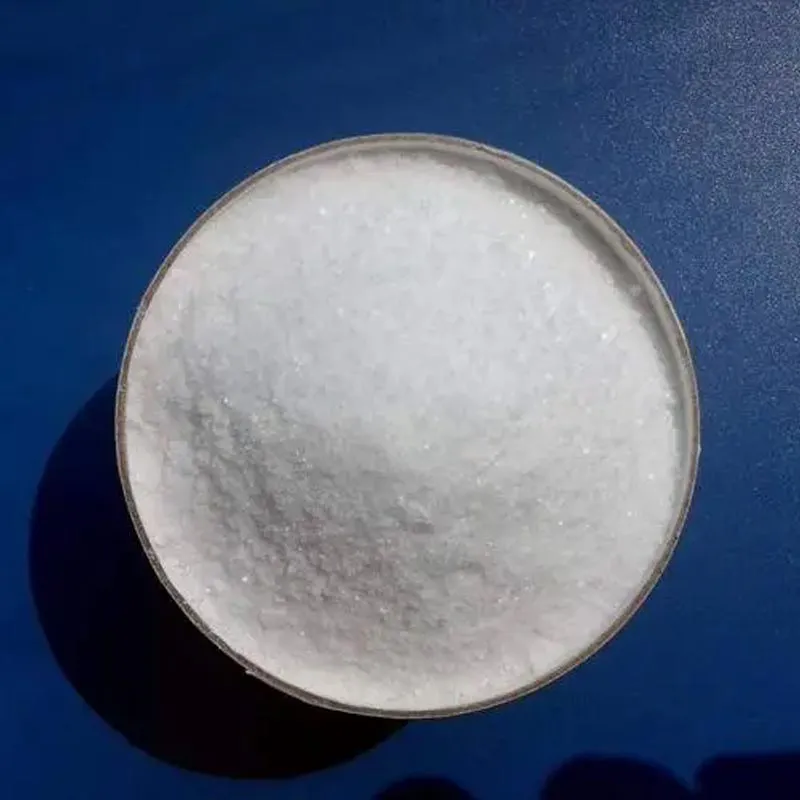
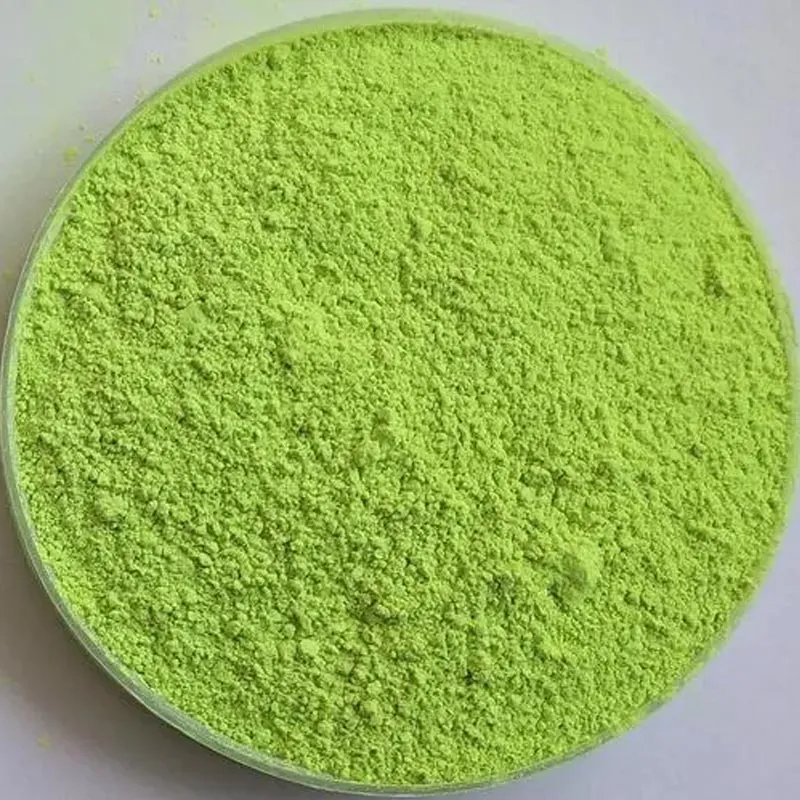
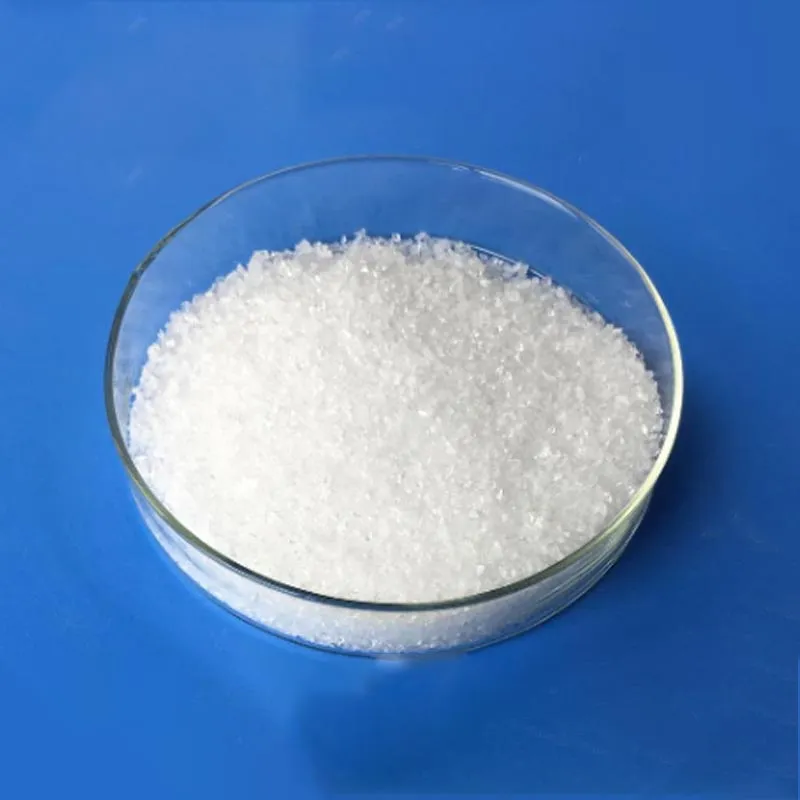
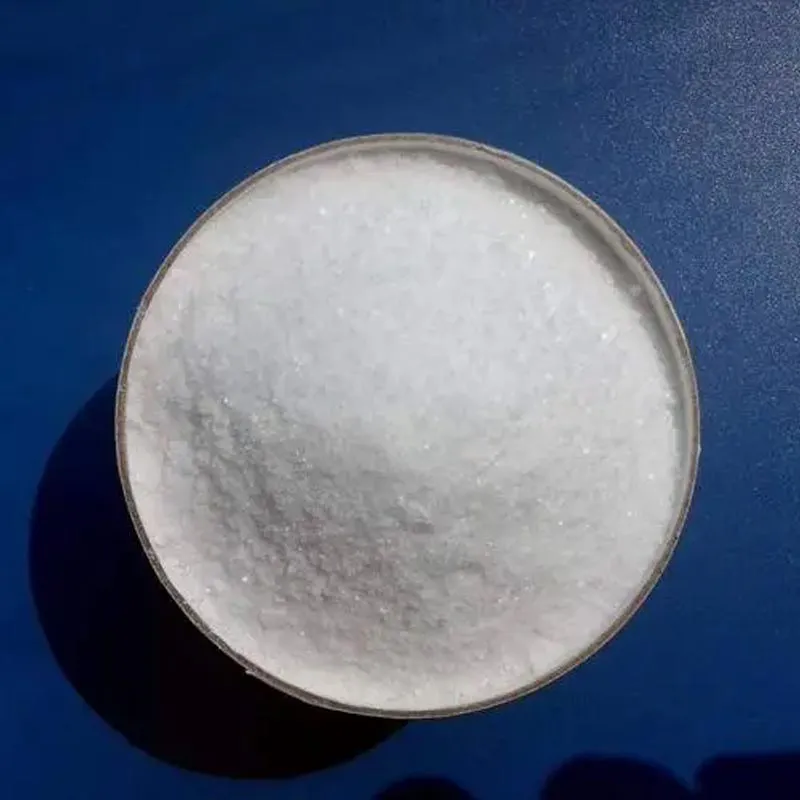
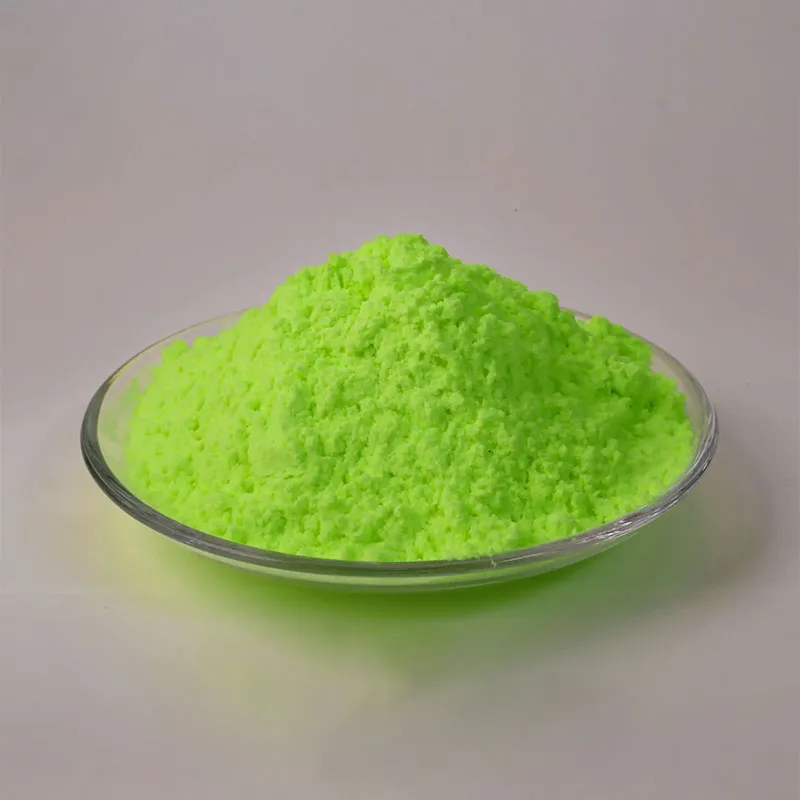
In the field of modern industry and environmental protection, polyaluminium chloride (PFS) is an important flocculant and is widely used in many fields such as water treatment and sewage treatment. This article will explore the uses of polyaluminium chloride and its importance in different fields.
It is mainly used as a base, catalyst, solvent and raw material in organic synthesis. It is also used as a high-energy fuel, rubber vulcanization accelerator, tetrafluoroethylene inhibitor, surfactant, wetting agent, preservative and bactericide.
Triethylamine needs to be operated in a closed manner and ventilation must be strengthened. Operators must undergo special training and strictly abide by the operating procedures. It is recommended that operators wear duct-type gas masks, anti-poison penetration work clothes, and rubber oil-resistant gloves. Stay away from fire and heat sources, and smoking is strictly prohibited in the workplace.
Tetrahydrofuran (THF) is a colorless, water-miscible, low-viscosity organic liquid at room temperature and pressure. The chemical formula of this cyclic ether can be written as (CH2)4O. Because of its long liquid range, it is a commonly used medium-polar aprotic solvent. Its main use is as a precursor for high molecular polymers.
Propylene glycol can be divided into industrial grade and food grade according to its use. The main application proportions are: manufacturing of unsaturated polyester resin accounts for 27%; food, cosmetics, etc. account for 20%; functional fluids account for 20%; liquid detergents account for 17%; paints and coatings account for 5%; tobacco moisturizers account for 2% ;Other uses account for 9%.
We use cookies to offer you a better browsing experience, analyze site traffic and personalize content. By using this site, you agree to our use of cookies.
Privacy Policy